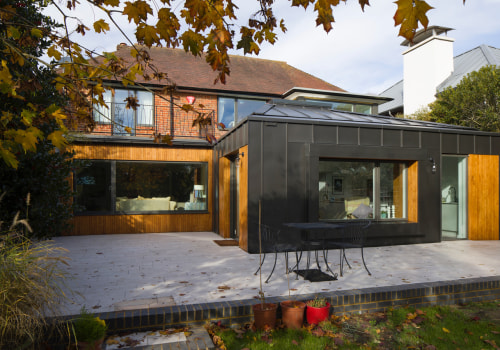
single story extension cost
Understanding the Costs of a Single Story Extension: What You Need to Know
Explore the costs of single story extensions, factors influencing pricing, and budgeting tips for your home renovation project.

Home renovation is an exciting yet daunting journey for many homeowners. As you embark on this transformative process, understanding the costs associated with renovations is crucial. Among the various types of renovations, a single story extension stands out as one of the most popular choices for those looking to enhance their living space without the complexities of multi-storey builds. However, the financial implications of such an extension can be significant, making it essential to grasp the factors that influence these costs. The cost of a single story extension can vary widely based on several elements, including the size of the extension, the materials used, and the complexity of the design.
Homeowners often find themselves navigating a maze of decisions that can impact their budget. From choosing high-quality materials to hiring skilled professionals, each choice can either elevate or diminish your overall expenditure. Therefore, having a clear understanding of what drives these costs is vital for effective budgeting. Moreover, it’s important to consider that while some renovations may seem straightforward, they can quickly escalate in price due to unforeseen challenges. Structural changes, compliance with building regulations, and obtaining necessary permits can all add layers of complexity and expense.
By familiarising yourself with these aspects early on, you can better prepare for the financial commitment involved in your home renovation project. In this article, we will delve deeper into the various factors influencing home renovation costs, particularly focusing on single story extensions. We aim to equip you with the knowledge needed to make informed decisions and ultimately create a space that not only meets your needs but also aligns with your budget.
What is a Single Story Extension?
A single story extension is a type of home renovation that involves adding a new room or space to your property, all on one level. This extension can be attached to the existing structure of your home, typically at the rear or side, and is designed to enhance the living space without the need for additional floors. Single story extensions are particularly popular among homeowners looking to increase their home’s functionality while maintaining a cohesive look with the original architecture. One of the primary benefits of a single story extension is its ability to create more usable space.Whether you need an extra bedroom, a larger kitchen, or a dedicated home office, this type of extension can provide the additional square footage required to meet your family’s needs. Moreover, because it is built on one level, it often requires less structural alteration than multi-storey extensions, making it a more straightforward option for many homeowners.
Benefits of Single Story Extensions
- Cost-Effective: Generally, single story extensions are less expensive than their multi-storey counterparts. The reduced complexity in design and construction can lead to lower overall costs.
- Faster Construction: With fewer structural challenges and less need for extensive scaffolding or support systems, single story extensions can often be completed more quickly than larger projects.
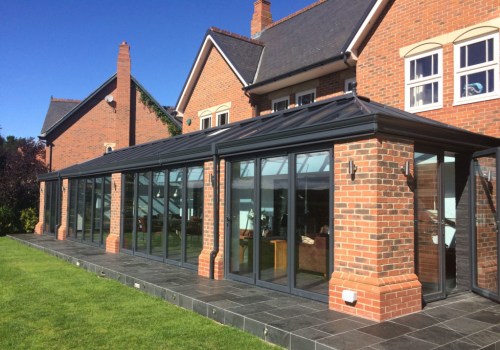
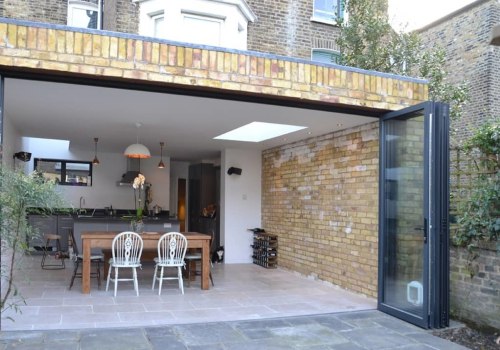
- Improved Natural Light: These extensions can be designed with large windows or bi-fold doors that open up to the garden, allowing for an abundance of natural light and creating a seamless connection between indoor and outdoor spaces.
- Enhanced Property Value: Adding a single story extension can significantly increase your home’s market value. Potential buyers often appreciate the extra space and functionality that these extensions provide.
- Flexibility in Design: Homeowners have the freedom to tailor their single story extension to suit their specific needs and preferences, whether that means creating an open-plan living area or a more traditional layout.
From cost savings to increased property value, this type of renovation can transform your home into a more functional and enjoyable environment.
Factors Influencing the Cost of a Single Story Extension
When considering a single story extension, several factors can significantly influence the overall cost. Understanding these elements is crucial for homeowners aiming to budget effectively and avoid unexpected expenses.Size of the Extension
The size of your extension is one of the most significant determinants of cost. Generally, larger extensions require more materials and labour, which can quickly escalate expenses. For instance, a modest extension of around 10 square metres may cost between £15,000 to £20,000, while a more extensive project could easily exceed £30,000.Therefore, it’s essential to carefully consider how much space you genuinely need and how it will fit into your existing home.
Materials Used
The choice of materials can also have a profound impact on the single story extension cost. High-quality materials such as brick or stone will typically be more expensive than alternatives like timber or composite materials. Additionally, the finish you choose—whether it’s standard or premium—will further affect your budget. For example, opting for energy-efficient windows or high-end roofing materials can enhance the aesthetic appeal but will also increase costs.Location and Site Conditions
Your location plays a critical role in determining costs.Extensions in urban areas often incur higher labour rates and may require additional permits or inspections compared to rural locations. Furthermore, site conditions such as soil quality and accessibility can influence costs. If your site requires extensive groundwork or foundation work due to poor soil conditions, this can add significantly to your budget.
Design Complexity
The complexity of the design is another factor that can drive up costs. Simple rectangular extensions are generally less expensive than those with intricate designs or multiple angles.Custom features such as skylights, bi-fold doors, or unique architectural elements will also add to the overall expense. Engaging an architect for bespoke designs can enhance functionality and aesthetics but will require a larger investment.
Labour Costs
Labour costs vary widely depending on the region and the expertise required for your project. Hiring skilled tradespeople may come at a premium but can ensure high-quality workmanship. It’s advisable to obtain multiple quotes from contractors to find a balance between quality and affordability. In summary, when planning a single story extension, it’s vital to consider these factors carefully.By understanding how size, materials, location, design complexity, and labour costs influence pricing, homeowners can make informed decisions that align with their budget and vision for their home.
Average Costs of Single Story Extensions in the UK
When considering a single story extension, understanding the average costs involved is crucial for effective budgeting. In the UK, the cost of a single story extension can vary significantly based on several factors, including size, design, and location. On average, homeowners can expect to pay between £1,200 and £2,000 per square metre. This means that a modest extension of around 20 square metres could cost anywhere from £24,000 to £40,000 . To provide a clearer picture, here’s a breakdown of costs associated with different types of single story extensions:- Basic Extensions: These typically include simple designs with minimal structural changes.
Costs can range from £1,200 to £1,500 per square metre .
- Mid-Range Extensions: These may involve more complex designs and higher-quality materials. Expect to pay between £1,500 and £1,800 per square metre .
- High-End Extensions: For bespoke designs or luxury finishes, costs can soar to £2,000 or more per square metre .
- Planning Permission: Depending on your local council's regulations, you may need to apply for planning permission. This can add several hundred pounds to your budget.
- Architectural Fees: Hiring an architect for design plans can cost between 5% and 15% of the total build cost.
- Utilities and Services: If your extension requires new plumbing or electrical work, factor in additional costs for these services.
- Finishing Touches: Interior finishes such as flooring, lighting fixtures, and paint can also add significantly to your overall expenditure.
Budgeting for Your Single Story Extension
When embarking on a single story extension, effective budgeting is crucial to ensure that your project runs smoothly and stays within financial limits.A well-planned budget not only helps you manage costs but also prepares you for any unforeseen expenses that may arise during the renovation process.
Understanding Your Costs
The first step in budgeting for your extension is to gain a clear understanding of the potential costs involved. This includes:
- Materials: The choice of materials can significantly impact your budget. High-quality materials may cost more upfront but can save you money in the long run due to durability.
- Labour: Hiring skilled professionals is essential for a successful extension. Labour costs can vary widely, so it’s advisable to obtain multiple quotes from contractors.
- Permits and Fees: Don’t forget to factor in the costs of obtaining necessary planning permissions and building regulations approvals, which can add to your overall expenses.
Setting Aside Contingency Funds
It’s wise to set aside a contingency fund, typically around 10-15% of your total budget.
This fund acts as a financial buffer for unexpected costs that may arise, such as:
- Structural issues discovered during construction
- Changes in material prices
- Additional labour costs if the project takes longer than anticipated
Tips for Effective Budgeting
- Prioritise Your Needs: Determine what aspects of the extension are essential versus those that are desirable. This will help you allocate funds more effectively.
- Research and Compare: Take the time to research different contractors and suppliers. Comparing prices can lead to significant savings.
- Track Your Spending: Keep a detailed record of all expenses throughout the project. This will help you stay on track and make adjustments if necessary.
- Be Realistic: While it’s tempting to cut corners to save money, ensure that your budget reflects realistic expectations for quality and safety.
Common Mistakes to Avoid When Planning an Extension
When embarking on a single story extension, homeowners often overlook critical aspects that can lead to costly mistakes.Understanding these common pitfalls can save you time, money, and stress during your renovation journey.
- Inadequate Planning : One of the most significant errors is failing to plan thoroughly. This includes not only the design and layout but also considering how the extension will integrate with the existing structure. Take the time to sketch out your ideas and consult with professionals to ensure your vision is feasible.
- Ignoring Local Regulations : Many homeowners underestimate the importance of local building regulations and planning permissions. Failing to secure the necessary approvals can result in fines or even having to dismantle your extension.
Always check with your local council before starting any work.
- Underestimating Costs : Budgeting for a renovation can be tricky, especially if you don’t account for unexpected expenses. It’s advisable to set aside an additional 10-15% of your total budget for unforeseen costs that may arise during construction.
- Choosing the Wrong Contractor : Selecting a contractor based solely on price can lead to subpar work. It’s essential to research potential contractors thoroughly, checking their credentials, reviews, and previous projects. A reputable contractor will provide a detailed quote and timeline, helping you avoid future headaches.
- Neglecting Energy Efficiency : In today’s eco-conscious world, overlooking energy efficiency can be a costly mistake.
Ensure that your extension incorporates energy-efficient materials and systems, such as insulation and windows, which can save you money on utility bills in the long run.
- Forgetting About Natural Light : Extensions should enhance your home’s natural light rather than diminish it. Consider the placement of windows and doors carefully to maximise sunlight and create a welcoming atmosphere.
- Not Considering Future Needs : While it’s easy to focus on current needs, think about how your family may change in the future. Will you need more space for children or guests? Planning for future requirements can prevent the need for further renovations down the line.
The Importance of Hiring Professionals
When considering a single story extension, the decision to hire professionals can significantly impact the outcome of your renovation project.While it may be tempting to take a DIY approach to save costs, the complexities involved in structural changes often necessitate the expertise of qualified contractors.
Expertise and Experience
Hiring experienced professionals ensures that your project is handled by individuals who understand the intricacies of home renovations. They possess the necessary skills to navigate challenges that may arise during construction, such as:
- Obtaining the correct planning permissions
- Ensuring compliance with building regulations
- Managing structural integrity and safety
- Coordinating various tradespeople effectively
Time Efficiency
Professional contractors are adept at managing timelines and can often complete projects more quickly than a DIY approach. They have established relationships with suppliers and subcontractors, which can expedite the procurement of materials and services. This efficiency is particularly beneficial for a single story extension, where delays can lead to increased costs and prolonged disruption to your home life.
Cost-Effectiveness
While hiring professionals may seem like an added expense, it can actually save you money in the long run.
Experienced contractors can help you avoid common pitfalls that lead to budget overruns. They can also provide valuable insights on:
- Choosing cost-effective materials without compromising quality
- Identifying potential issues before they escalate into expensive repairs
- Implementing energy-efficient solutions that reduce long-term utility costs
Quality Assurance
One of the most significant benefits of hiring professionals is the assurance of quality workmanship. Reputable contractors often provide warranties for their work, giving you peace of mind that any issues arising post-completion will be addressed without additional costs. This level of assurance is invaluable when investing in a major renovation like a single story extension. In conclusion, while it may be tempting to undertake renovations independently, hiring qualified professionals for your single story extension is a wise investment.
Their expertise, efficiency, and commitment to quality will not only enhance the final result but also ensure a smoother renovation process overall.
Planning Permissions and Regulations in the UK
When considering a single story extension in the UK, understanding the necessary planning permissions and building regulations is essential. These legal requirements ensure that your renovation complies with local laws and standards, ultimately safeguarding your investment and avoiding potential legal issues.Planning Permission
In most cases, a single story extension will require planning permission. This is particularly true if:
- The extension exceeds certain size limits.
- The design significantly alters the appearance of your home.
- You live in a conservation area or a listed building.
Permitted Development Rights
In some instances, you may be able to proceed without formal planning permission under permitted development rights.
These rights allow homeowners to make certain types of extensions without needing to apply for planning permission, provided they meet specific conditions:
- The extension must not extend beyond the rear wall of the original house by more than three meters (or four meters for detached houses).
- The height of the extension must not exceed four meters.
- The materials used should be similar in appearance to those of the existing property.
Building Regulations
Regardless of whether you need planning permission, all extensions must comply with building regulations. These regulations cover various aspects of construction, including:
- Structural integrity and safety.
- Energy efficiency standards.
- Fire safety measures.
- Accessibility provisions.
Conclusion
Navigating the complexities of planning permissions and building regulations is a critical step in the process of undertaking a single story extension. By ensuring compliance with these legal requirements, you can avoid potential pitfalls and enjoy a successful renovation that enhances your home’s value and functionality.
Financing Your Single Story Extension: Options Available
When considering a single story extension, understanding your financing options is crucial.Home renovations can be a significant investment, and knowing how to fund your project can alleviate some of the financial stress. Here are several financing avenues available to homeowners in the UK:
- Personal Loans: Many homeowners opt for personal loans to finance their renovations. These loans are typically unsecured, meaning you won’t need to provide collateral. Interest rates can vary, so it’s wise to shop around and compare offers from different lenders.
- Home Equity Loans: If you have built up equity in your home, a home equity loan can be an excellent option.
This type of loan allows you to borrow against the value of your home, often at lower interest rates than personal loans. However, it does require that you have sufficient equity and may involve additional fees.
- Remortgaging: Another popular method is remortgaging your property. This involves taking out a new mortgage on your home, ideally at a lower interest rate, and using the extra funds for your extension. It’s essential to consider the long-term implications of extending your mortgage term.
- Government Grants and Schemes: Depending on your circumstances, you may qualify for government grants or schemes aimed at supporting home improvements.
For instance, the Green Homes Grant provides funding for energy-efficient renovations, which could include aspects of your extension.
- Credit Cards: While not always advisable due to high-interest rates, credit cards can be used for smaller renovation costs. If you choose this route, ensure you can pay off the balance quickly to avoid accruing significant interest.
By exploring these options and planning carefully, you can make informed decisions that will help bring your vision of a single story extension to life.
<strong>Conclusion</strong>: Key Takeaways on Single Story Extension Costs
In conclusion, understanding the costs associated with single story extensions is crucial for homeowners considering this type of renovation. Throughout this article, we have explored various factors that contribute to the overall expense of a single story extension, highlighting the importance of thorough planning and budgeting. Here are the key takeaways:- Initial Costs: The base cost of a single story extension can vary significantly depending on size, design, and materials used. On average, homeowners can expect to pay between £20,000 and £40,000 for a standard extension.
- Additional Expenses: Beyond the initial construction costs, it is essential to factor in additional expenses such as planning permissions, architectural fees, and potential landscaping costs. These can add thousands to your budget.
- Quality of Materials: The choice of materials plays a significant role in determining the final cost.
Opting for high-quality materials may increase upfront costs but can lead to long-term savings through durability and energy efficiency.
- Labour Costs: Hiring skilled professionals is vital for ensuring a successful extension. Labour costs can vary widely based on location and the complexity of the project, so obtaining multiple quotes is advisable.
- Contingency Fund: It is wise to set aside a contingency fund of at least 10% of your total budget to cover unexpected expenses that may arise during construction.
- Long-Term Value: A well-executed single story extension not only enhances your living space but can also significantly increase your property’s value. This makes it a worthwhile investment in the long run.
Ultimately, investing time in understanding these aspects will lead to a more satisfying renovation experience and a home that better suits your lifestyle.