single story extension cost
The Ultimate Guide to Understanding Single Story Extension Costs
Explore the costs, benefits, and planning of single story extensions to enhance your home and increase its value.
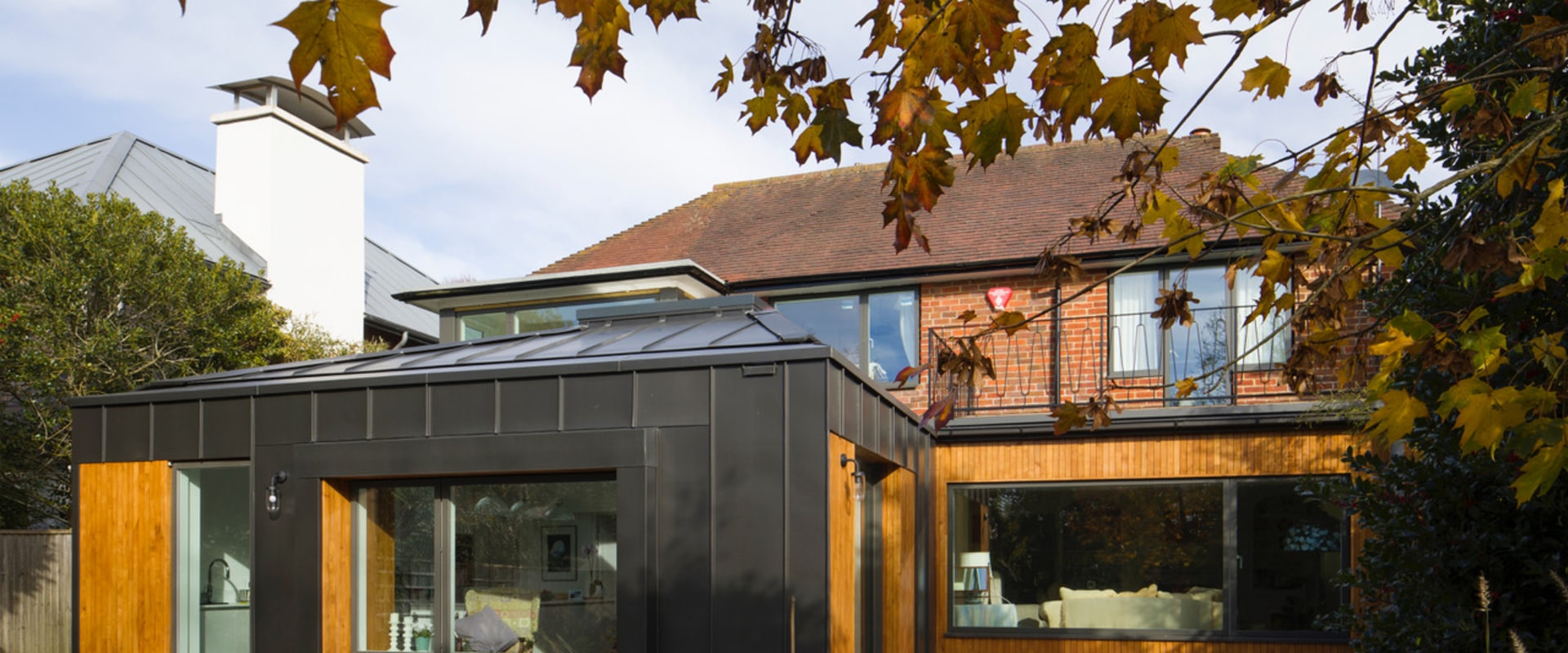
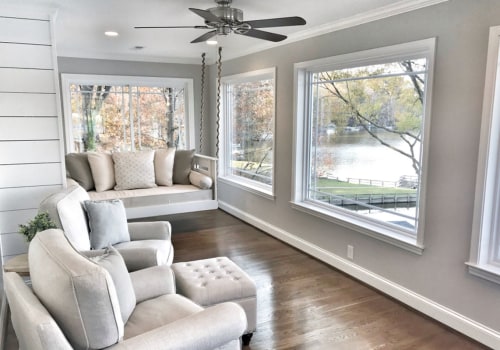
In recent years, the trend of adding single story extensions to homes across the UK has gained significant momentum. Homeowners are increasingly recognising the potential of these extensions to enhance their living space without the need for a complete relocation. A single story extension not only provides additional room for family activities, but it also offers a unique opportunity to create a seamless connection between indoor and outdoor spaces, making it an attractive option for those looking to improve their home environment. The appeal of single story extensions lies in their versatility. Whether you envision a spacious kitchen-diner, a tranquil home office, or a vibrant playroom for children, these extensions can be tailored to meet your specific needs.
Moreover, they often come with fewer planning restrictions compared to multi-storey extensions, making them a more accessible choice for many homeowners. However, understanding the single story extension cost is crucial as it can vary widely based on factors such as size, materials used, and location. As you consider embarking on this journey of home improvement, it’s essential to weigh the benefits against the costs involved. A well-executed single story extension can significantly increase your property’s value and appeal, making it an investment worth considering. Additionally, the process of planning and designing your extension can be an exciting opportunity to express your personal style and enhance your home’s functionality. In this guide, we will delve deeper into the various aspects of single story extensions, including their costs, benefits, and key considerations to keep in mind during the planning phase.
By understanding these elements, you can make informed decisions that will lead to a successful home extension project.
What is a Single Story Extension?
A single story extension is a type of home improvement that involves adding a new structure to a property, which consists of only one level. This kind of extension is particularly popular among homeowners looking to increase their living space without the complexities and costs associated with multi-storey builds. By extending outwards rather than upwards, homeowners can create functional areas that enhance their lifestyle while maintaining the overall aesthetic of their property. There are several types of single story extensions, each serving different purposes and catering to various needs:- Rear Extensions: These are the most common type of single story extension, typically added to the back of a house. They can transform kitchens into spacious dining areas or create additional living rooms.
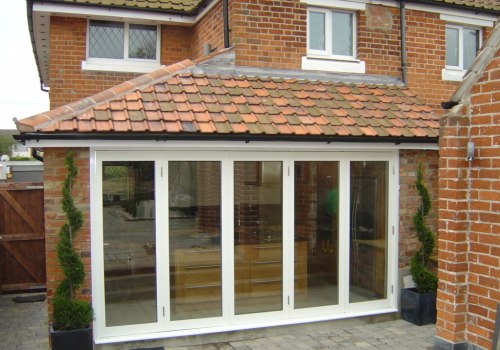
Rear extensions often feature large windows or bi-fold doors, allowing for an abundance of natural light and seamless integration with outdoor spaces.
- Side Extensions: A side extension expands the property sideways, which can be particularly beneficial for narrow plots. This type of extension can create extra rooms, such as a study or utility room, without encroaching on garden space. Side extensions can also enhance the overall symmetry and balance of a home’s exterior.
- Wrap-Around Extensions: Combining both rear and side extensions, wrap-around extensions create an L-shaped addition to the home. This design maximises space and can be used to create open-plan living areas that connect seamlessly with the garden.
Wrap-around extensions are ideal for homeowners looking to create a spacious family hub.
- Porch Extensions: While smaller in scale, porch extensions can significantly enhance the entrance of a home. They provide a sheltered area for guests and can also serve as additional storage space for shoes and coats.
Factors Influencing Single Story Extension Costs
When considering a single story extension, understanding the factors influencing costs is essential for effective budgeting and planning. Several elements can significantly impact the overall expense of your project, and being aware of these can help you make informed decisions.- Size of the Extension: The most obvious factor is the size of the extension.
Generally, larger extensions will incur higher costs due to increased materials and labour. It’s important to determine how much space you need and how that translates into square footage.
- Materials Used: The choice of materials can greatly affect costs. High-quality materials such as brick or stone will typically be more expensive than alternatives like timber or composite materials. Additionally, if you opt for energy-efficient windows or sustainable building materials, these can also add to the initial outlay but may save money in the long run through reduced energy bills.
- Location: The geographical location of your property plays a crucial role in determining costs.
Urban areas often have higher labour rates and material costs compared to rural locations. Furthermore, local regulations and building codes can influence expenses, especially if your area has specific requirements for extensions.
- Design Complexity: A straightforward design will generally be less expensive than a complex one. Features such as vaulted ceilings, intricate rooflines, or bespoke windows can increase both design and construction costs. Engaging an architect for a unique design may also add to your budget.
- Labour Costs: Labour rates vary significantly depending on the region and the experience level of the contractors you hire.
It’s advisable to obtain multiple quotes from different builders to ensure you’re getting a fair price.
- Planning Permissions and Regulations: While many single story extensions fall under permitted development rights, some may require planning permission, which can incur additional fees. It’s essential to factor in these potential costs when budgeting for your extension.
- Initial Design Fees: Costs associated with hiring architects or designers.
- Building Materials: Expenses for bricks, timber, roofing materials, insulation, etc.
- Labour Costs: Wages for builders, electricians, plumbers, and other tradespeople.
- Finishing Touches: Costs for flooring, painting, fixtures, and fittings.
- Contingency Fund: It’s wise to set aside 10-15% of your total budget for unexpected expenses that may arise during construction.
Average Costs of Single Story Extensions in the UK
When considering a single story extension, understanding the average costs involved is crucial for budgeting and planning. In the UK, the cost of a single story extension can vary significantly based on several factors, including location, size, materials used, and the complexity of the design. On average, homeowners can expect to pay between £1,200 and £2,000 per square metre for a single story extension. This means that for a typical extension of around 20 square metres, the total cost could range from £24,000 to £40,000.However, these figures can fluctuate based on specific circumstances.
Regional Variations
The cost of building a single story extension is not uniform across the UK. For instance:- London and the South East: These areas tend to have the highest costs, with prices often exceeding £2,500 per square metre. The demand for housing and higher living costs contribute to this increase.
- Midlands: In regions like Birmingham or Nottingham, prices are generally more moderate, averaging around £1,500 to £2,000 per square metre .
- North of England: Areas such as Manchester and Liverpool typically see lower costs, with averages ranging from £1,200 to £1,800 per square metre .
Factors Influencing Costs
Several factors can influence the overall cost of a single story extension:- Design Complexity: A simple rectangular extension will generally be less expensive than one with intricate designs or multiple angles.
- Materials: The choice of materials can significantly impact costs. High-quality finishes or eco-friendly materials may increase expenses.
- Labour Costs: Labour rates can vary by region and are influenced by local demand for skilled tradespeople.
- Planning Permissions: If your project requires planning permission or additional regulations compliance, this can add to the overall cost.
Engaging with local builders or architects can provide more tailored estimates and help you navigate potential costs effectively.
Planning Permission and Regulations for Single Story Extensions
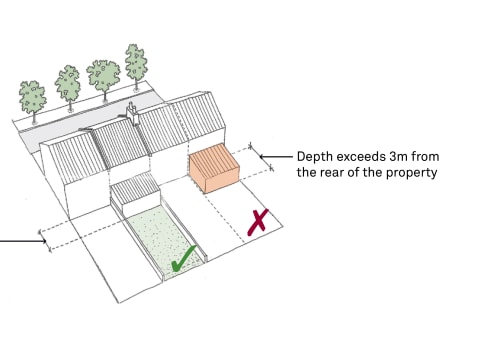
When considering a single story extension, understanding the planning permission and building regulations is crucial to ensure a smooth construction process and avoid potential legal complications. In the UK, homeowners are often granted certain rights under the permitted development scheme, which allows for specific types of extensions without the need for formal planning permission. However, these rights come with strict limitations that must be adhered to.Permitted Development Rights
- The extension must not exceed three meters in depth from the original rear wall of the house.
- The maximum height for a single story extension is capped at four meters.
- The width of the extension should not surpass half the width of the original house.
- Extensions must maintain a distance of at least seven meters from any boundary wall.
Building Regulations Compliance
In addition to planning permission, all extensions must comply with building regulations.
These regulations are designed to ensure safety, health, and energy efficiency in construction. Key aspects include:
- Structural Integrity: The extension must be structurally sound and able to support its own weight.
- Fire Safety: Adequate fire safety measures must be implemented, including escape routes and fire-resistant materials.
- Energy Efficiency: Extensions should meet specific energy performance standards to reduce environmental impact.
Design Considerations for Your Single Story Extension
When planning a single story extension, the design is a crucial aspect that can significantly influence both the functionality and aesthetic appeal of your home. A well-thought-out design not only enhances your living space but also ensures that the extension harmonises with the existing structure.Here are some key considerations to keep in mind:
Architectural Styles
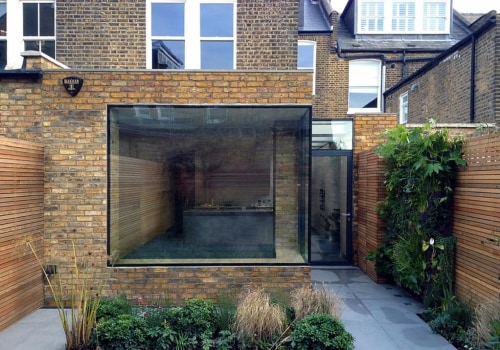
Choosing the right architectural style for your extension is essential. It should complement the existing design of your home while also reflecting your personal taste. Here are a few popular styles:- Modern: Characterised by clean lines, large windows, and open spaces, modern extensions often use materials like glass and steel to create a sleek look.
- Traditional: If your home has a classic design, consider a traditional extension that uses similar materials and architectural features, such as brickwork and pitched roofs.
- Contemporary: This style blends modern elements with traditional features, allowing for creative designs that can include unique shapes and innovative materials.
- Cottage: For homes in rural areas, a cottage-style extension can add charm and warmth, often featuring timber frames and thatched roofs.
Functionality
The primary purpose of your extension should guide its design. Consider how you intend to use the new space:- Living Area: If you’re adding a lounge or family room, think about natural light and how furniture will be arranged to create a welcoming atmosphere.
- Kitchen Extension: For kitchen extensions, ensure there’s enough space for appliances and storage while maintaining an efficient workflow.
- Home Office: With remote work becoming more common, designing a quiet and functional home office can enhance productivity.
Aesthetics
The visual appeal of your extension is just as important as its functionality.Here are some tips to enhance aesthetics:
- Natural Light: Incorporate large windows or skylights to flood the space with light, making it feel more open and inviting.
- Outdoor Integration: Consider bi-fold doors that open up to your garden, creating a seamless transition between indoor and outdoor spaces.
- Landscaping: Don’t forget about the exterior! Thoughtful landscaping can enhance the overall look of your extension and improve curb appeal.
Hiring Professionals: Builders and Architects
When embarking on a single story extension project, the choice of professionals—specifically builders and architects—can significantly influence the outcome. Selecting the right individuals for your project is crucial to ensure that your vision is realised effectively and efficiently.Choosing the Right Builder
Finding a competent builder is essential for the success of your extension. Here are some key factors to consider:- Experience and Specialisation: Look for builders who have specific experience in single story extensions.
Their familiarity with local regulations and building codes can save you time and potential headaches.
- Reputation: Research potential builders by checking online reviews, testimonials, and asking for references from previous clients. A reputable builder will have a track record of satisfied customers.
- Portfolio: Request to see examples of their previous work. This will give you insight into their style and quality of craftsmanship.
- Insurance and Certifications: Ensure that the builder has the necessary insurance coverage and certifications. This protects you from liability in case of accidents or damages during construction.
- Detailed Quotes: Obtain detailed quotes from multiple builders.
This will help you compare costs and understand what is included in each estimate, allowing for informed decision-making.
The Role of an Architect
While builders focus on the construction aspect, architects play a vital role in the design and planning stages of your extension. Here’s why hiring an architect can be beneficial:- Design Expertise: Architects bring creativity and technical knowledge to your project, ensuring that your extension is not only functional but also aesthetically pleasing.
- Space Planning: They can help maximise the use of space, ensuring that your new extension integrates seamlessly with your existing home while meeting your needs.
- Regulatory Knowledge: An architect is well-versed in local planning regulations and can assist in navigating the complexities of obtaining necessary permissions.
- Project Management: Many architects offer project management services, coordinating between various contractors and ensuring that the project stays on schedule and within budget.
Financing Your Single Story Extension: Options and Tips
When considering a single story extension, understanding your financing options is crucial to ensure that your project remains within budget and is financially viable. Here are some common financing methods that homeowners can explore:- Personal Savings: Using your savings is often the most straightforward way to finance your extension.
This method avoids interest payments and keeps your financial commitments simple.
- Home Equity Loan: If you have built up equity in your home, a home equity loan can be a viable option. This type of loan allows you to borrow against the value of your property, often at lower interest rates than personal loans.
- Remortgaging: Remortgaging your home can provide the funds needed for an extension. By switching to a new mortgage deal, you may be able to release equity and secure a better interest rate.
- Building Society or Bank Loans: Many banks and building societies offer loans specifically for home improvements. These loans typically have fixed interest rates and can be tailored to suit your repayment capabilities.
- Government Grants and Schemes: Depending on your location, there may be government grants or schemes available to assist with home improvements.
Research local initiatives that could help reduce costs.
- Get Multiple Quotes: Always obtain quotes from several contractors before making a decision. This will give you a clearer picture of the market rate and help you find the best deal.
- Include All Costs: When budgeting, consider all associated costs, including materials, labour, permits, and any unexpected expenses that may arise during construction.
- Prioritise Your Needs: Determine which aspects of the extension are essential versus those that are desirable. This will help you allocate funds more effectively and avoid overspending on non-essential features.
- Plan for Contingencies: Set aside a contingency fund of around 10-15% of your total budget to cover any unforeseen costs that may occur during the project.
Common Mistakes to Avoid When Planning a Single Story Extension
When embarking on a project to add a single story extension, homeowners often encounter various challenges that can lead to costly mistakes.Understanding these common pitfalls can help you navigate the process more smoothly and ensure a successful outcome.
- Neglecting to Set a Realistic Budget: One of the most significant errors is failing to establish a comprehensive budget. Many homeowners underestimate the total costs involved, which can include materials, labour, and unexpected expenses. It’s essential to account for all potential costs and set aside a contingency fund of at least 10-15% of your total budget.
- Overlooking Planning Permissions: While many single story extensions fall under permitted development rights, it’s crucial to verify whether your project requires planning permission. Failing to do so can result in legal complications and costly alterations later on.
Always check with your local council or consult a professional to ensure compliance with regulations.
- Ignoring Neighbourhood Considerations: Extensions can impact the aesthetics and functionality of your neighbourhood. Not considering how your extension will affect your neighbours can lead to disputes. Engage with them early in the process, and be open to feedback regarding design and potential concerns.
- Choosing the Wrong Materials: The materials you select for your extension should complement your existing home while also being durable and suitable for the local climate. Opting for low-quality materials may save money initially but could lead to higher maintenance costs in the long run.
- Underestimating Timeframes: Many homeowners expect their projects to be completed quickly, but construction often takes longer than anticipated due to various factors such as weather delays or supply chain issues.
It’s wise to build extra time into your schedule and communicate regularly with your contractor about progress.
- Failing to Plan for Future Needs: When designing your extension, consider not just your current needs but also how they may change in the future. This foresight can prevent the need for further modifications down the line, saving you time and money.
FAQs About Single Story Extensions and Their Costs
When considering a single story extension, homeowners often have numerous questions regarding the costs and processes involved. Below are some frequently asked questions that can help clarify these aspects.What is the average cost of a single story extension?
The cost of a single story extension can vary significantly based on several factors, including size, materials, and location.On average, homeowners can expect to pay between £1,200 and £2,000 per square metre. This means that a typical 20 square metre extension could cost anywhere from £24,000 to £40,000. However, it’s essential to obtain multiple quotes from contractors to get a more accurate estimate tailored to your specific project.
What factors influence the cost of a single story extension?
- Size: Larger extensions will naturally incur higher costs due to increased materials and labour.
- Design complexity: Unique designs or features such as skylights or bi-fold doors can add to the overall expense.
- Location: Costs may vary depending on your geographical area; urban locations often have higher labour and material costs.
- Materials used: The choice of materials (e.g., brick, timber, glass) can significantly impact the budget.
- Site conditions: If your property has challenging site conditions (e.g., sloping land), this may increase construction costs.
Are there additional costs to consider?
Yes, beyond the basic construction costs, homeowners should also factor in:- Planning permission fees: If your extension requires planning permission, there may be associated fees.
- Architectural fees: Hiring an architect for design plans can add to your budget.
- Building regulations approval: Compliance with building regulations may involve additional inspections and fees.
- Landscaping: Post-construction landscaping or garden restoration should also be considered in your overall budget.
How long does it take to build a single story extension?
The timeline for completing a single story extension typically ranges from 8 to 12 weeks. However, this can vary based on factors such as the complexity of the design, weather conditions, and the availability of materials.It’s advisable to discuss timelines with your contractor for a more precise estimate based on your specific project. Understanding these common questions about single story extension costs can help you plan effectively and ensure that your project runs smoothly from start to finish.
<insert conclusion heading here>
In conclusion, understanding the cost of a single story extension is crucial for homeowners considering this type of home improvement. The financial implications can vary significantly based on several factors, including the size of the extension, the materials used, and the complexity of the design. By carefully evaluating these elements, you can create a realistic budget that aligns with your vision. When planning your extension, it is essential to consider not only the initial construction costs but also potential long-term benefits. A well-executed single story extension can enhance your living space and significantly increase your property’s value.This makes it a worthwhile investment for many homeowners. Moreover, engaging with experienced professionals such as architects and builders can provide invaluable insights into the costs associated with single story extensions. They can help you navigate through the various stages of planning and construction, ensuring compliance with local regulations and building codes. Additionally, exploring financing options may also be beneficial. Many homeowners opt for loans or remortgaging to fund their extensions, which can spread the cost over time and make the project more manageable financially. Ultimately, a single story extension not only offers practical benefits by increasing usable space but also allows for personalisation that reflects your style and needs. By investing time in research and planning, you can achieve a successful extension that enhances both your home and lifestyle. As you embark on this journey, remember to keep an open line of communication with all parties involved.
This will ensure that your project runs smoothly and stays within budget while achieving the desired outcome.