single story extension cost
The Complete Guide to Extending Your Home Without Planning Permission: Understanding Single Story Extension Costs
Discover how to extend your home without planning permission, focusing on single story extension costs and benefits. Learn the essentials now!
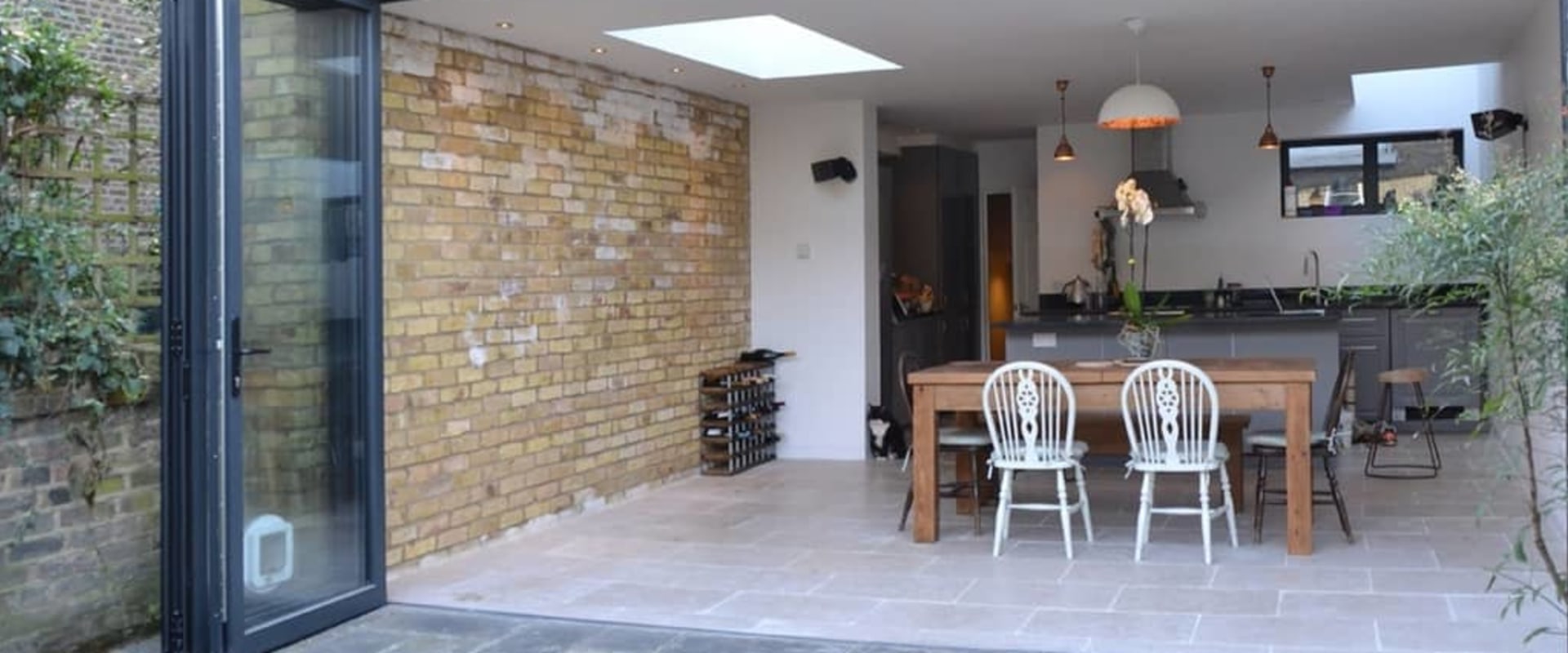
When considering a home extension, understanding permitted development rights is essential for homeowners looking to enhance their living space without the burden of obtaining planning permission. These rights allow certain types of extensions and alterations to be made to a property without the need for formal approval from local authorities, streamlining the process significantly. However, it is crucial to grasp what these rights entail and how they apply to your specific property. Permitted development rights are a set of regulations that govern what homeowners can do with their properties without needing to submit a planning application. They were introduced to simplify the planning process and encourage home improvements that do not negatively impact the surrounding area.
For instance, many single-family homes can benefit from these rights, allowing for extensions that meet specific criteria regarding size, height, and proximity to boundaries. This means that homeowners can often add valuable space to their homes—such as a single-storey extension—without the lengthy and sometimes complex planning permission process. However, not all properties qualify for permitted development rights. Typically, these rights apply to single-family homes and some terraced houses, while flats, maisonettes, and listed buildings are generally excluded. Understanding whether your property falls under these regulations is vital before embarking on any extension project.
Additionally, even if your proposed extension meets the criteria for permitted development, it is advisable to consult with your local planning office to ensure compliance with all necessary regulations and avoid potential disputes with neighbours.
Single Story Extensions: What You Need to Know
When considering a home extension, a single story extension is often a popular choice among homeowners. This type of extension not only enhances the living space but also adds significant value to your property. Understanding the specifics of single story extensions, including their benefits and associated costs, is crucial for making an informed decision.Benefits of Single Story Extensions
- Increased Living Space: A single story extension can provide much-needed additional space for various purposes, such as a larger kitchen, a family room, or even an extra bedroom. This flexibility allows homeowners to tailor the extension to their specific needs.
- Enhanced Natural Light: With the right design, single story extensions can flood your home with natural light, creating a bright and inviting atmosphere.
Large windows or bi-fold doors can seamlessly connect indoor and outdoor spaces.
- Cost-Effective: Compared to multi-storey extensions, single story extensions typically have lower construction costs. They require less structural work and fewer materials, making them a more budget-friendly option for many homeowners.
- Permitted Development Rights: In many cases, single story extensions can be built under permitted development rights, meaning you may not need to apply for planning permission. This can save time and reduce the stress associated with the planning process.
Understanding Single Story Extension Costs
The cost of a single story extension can vary significantly based on several factors, including size, location, and the complexity of the design. On average, homeowners can expect to pay between £1,200 and £2,000 per square metre.
Here are some key considerations that influence costs:
- Size: The larger the extension, the higher the overall cost. It's essential to balance your needs with your budget when determining the size of your project.
- Materials: The choice of materials can greatly affect costs. High-quality materials may increase initial expenses but can lead to long-term savings through durability and energy efficiency.
- Location: Construction costs can vary by region due to differences in labour rates and material availability. Urban areas may have higher costs compared to rural locations.
- Design Complexity: A straightforward design will generally be less expensive than one that requires intricate architectural features or bespoke elements.
By understanding the potential costs and benefits, you can make an informed decision that aligns with your vision for your home.
Cost Breakdown of a Single Story Extension
When considering a single story extension, understanding the cost breakdown is crucial for effective budgeting. The overall cost can vary significantly based on several factors, including the size of the extension, materials used, and labour costs. Below is a detailed breakdown of the typical expenses associated with a single story extension.1.Materials
The choice of materials plays a significant role in determining the overall cost of your extension. Common materials include:- Bricks and Blocks: Standard bricks can cost between £400 to £800 per 1,000 bricks, while blocks may range from £200 to £600 per 1,000 blocks.
- Roofing: Depending on the type of roofing (flat, pitched, or tiled), costs can vary from £50 to £150 per square metre.
- Windows and Doors: Double-glazed windows typically range from £300 to £600 each, while doors can cost between £500 to £1,200 depending on style and material.
- Insulation: Proper insulation is essential for energy efficiency and can add an additional £20 to £50 per square metre.
2.Labour Costs
Labour costs can also fluctuate based on location and the complexity of the project.On average, you might expect to pay:
- General Builders: Between £150 to £250 per day.
- Specialist Trades: Electricians and plumbers may charge between £40 to £80 per hour.
3.Additional Expenses
In addition to materials and labour, there are other costs that homeowners should consider:- Planning Fees: If planning permission is required, fees can range from £200 to £500.
- Building Regulations Approval: This may cost between £100 to £300 depending on your local council.
- Site Preparation: Clearing and preparing the site can add another £500 to £1,500 depending on the condition of your garden or existing structures.
- Landscaping: Post-extension landscaping may also be necessary, costing anywhere from £300 to several thousand pounds depending on your plans.
Planning Your Extension: Key Considerations
When considering a home extension, careful planning is crucial to ensure that the project meets your needs and complies with local regulations. Here are some key considerations to keep in mind:- Define Your Goals: Start by identifying the primary purpose of your extension.
Are you looking to create additional living space, a home office, or perhaps a larger kitchen? Understanding your goals will guide the design process and help you make informed decisions.
- Budgeting: Establishing a clear budget is essential. Consider not only the single story extension cost but also potential hidden costs such as landscaping, interior finishes, and any necessary permits. It’s wise to set aside an additional 10-20% of your budget for unexpected expenses.
- Design Considerations: The design of your extension should complement the existing architecture of your home. Think about materials, colours, and styles that will blend seamlessly with your property.
Additionally, consider how the extension will affect natural light and airflow within your home.
- Consult Professionals: Engaging with architects or designers can provide valuable insights into the feasibility of your ideas. They can help you create a design that maximises space while adhering to building regulations.
- Planning Permission: While many extensions fall under permitted development rights, it’s important to check with your local planning authority. They can provide guidance on whether your proposed extension requires planning permission and inform you about any specific restrictions in your area.
- Impact on Neighbours: Consider how your extension may affect neighbouring properties. It’s advisable to discuss your plans with neighbours early in the process to address any concerns they may have.
This can help prevent disputes later on.
Navigating Local Regulations and Building Codes
When considering a home extension, it is essential to navigate the maze of local regulations and building codes. These rules are designed to ensure that any construction is safe, sustainable, and in harmony with the surrounding environment. Ignoring these regulations can lead to significant legal issues, financial penalties, and even the requirement to dismantle your extension. Each local authority has its own set of building codes that dictate what is permissible in terms of design, materials, and construction methods.Therefore, before you embark on your extension project, it is crucial to:
- Research Local Building Regulations: Start by visiting your local council's website or office to obtain information on the specific regulations that apply to your area. This will include guidelines on height restrictions, materials used, and the overall aesthetic of your extension.
- Consult with Professionals: Engaging with architects or builders who are familiar with local codes can provide invaluable insights. They can help you design an extension that not only meets your needs but also complies with all necessary regulations.
- Understand Compliance Requirements: Compliance is not just about following rules; it also involves ensuring that your extension is structurally sound and safe for use. This may require obtaining various inspections during the construction process to verify that all work meets the required standards.
For instance, if you live in a conservation area or near a listed building, there may be stricter guidelines regarding the style and materials of your extension. In summary, understanding and adhering to local building regulations and codes is vital for a successful home extension project. Not only does it help avoid potential legal complications, but it also ensures that your new space is safe, functional, and enhances the value of your property.
Consulting with Professionals: When and Why?
When embarking on a home extension project, the importance of consulting with professionals cannot be overstated. Engaging with experienced builders and architects can significantly enhance the quality and efficiency of your project, ensuring that your vision is realised while adhering to all necessary regulations.Why Consult with Builders?
Builders bring a wealth of practical knowledge to the table. They understand the intricacies of construction, including timelines, materials, and potential challenges that may arise during the building process.Here are some key reasons to consult with builders:
- Expertise in Construction: Builders have hands-on experience and can provide insights into the best practices for your specific extension type.
- Cost Estimates: A builder can offer a detailed breakdown of the single story extension cost, helping you budget effectively and avoid unexpected expenses.
- Project Management: Experienced builders can manage the entire construction process, coordinating subcontractors and ensuring that work is completed on schedule.
The Role of Architects
While builders focus on the execution of the project, architects play a crucial role in the design phase. Their expertise ensures that your extension not only meets your needs but also complements the existing structure. Here’s why hiring an architect is beneficial:- Design Expertise: Architects can create innovative designs that maximise space and enhance functionality while considering aesthetics.
- Regulatory Knowledge: They are well-versed in local planning regulations and can help navigate any complexities related to permitted development rights.
- Sustainability Considerations: An architect can incorporate sustainable practices into your design, potentially reducing long-term energy costs.
Whether you are looking to add space or enhance your home’s value, professional advice can make all the difference in realising your dream extension.
Common Misconceptions About Home Extensions Without Planning Permission
When considering a home extension, many homeowners are often misled by common misconceptions surrounding the need for planning permission. Understanding these myths is crucial for making informed decisions about your property. Here are some prevalent misconceptions:- Myth 1: All Extensions Require Planning Permission
Many believe that any form of extension necessitates planning permission. However, under certain conditions, you can build a single-storey extension without needing to apply for planning permission, thanks to permitted development rights.These rights allow specific types of extensions as long as they meet certain criteria.
- Myth 2: You Can Ignore Neighbours When Extending
Some homeowners think they can proceed with their plans without consulting their neighbours. While it’s true that smaller extensions may not require neighbour consultation, it’s always wise to inform them of your intentions. This can help avoid disputes and foster good relationships. - Myth 3: Permitted Development Rights Are Universal
Another common misconception is that permitted development rights apply to all properties. In reality, these rights do not extend to flats, maisonettes, or listed buildings.Homeowners in these categories must seek full planning permission before proceeding with any extensions.
- Myth 4: You Can Build Anything Within Permitted Development
While permitted development allows for certain extensions, there are strict limitations on size and height. For instance, a single-storey extension cannot exceed four metres in height and must adhere to specific distance regulations from property boundaries. - Myth 5: Planning Permission Is Always a Lengthy Process
Many homeowners fear that applying for planning permission is an arduous and time-consuming task. While it can be lengthy, if your project falls within the guidelines and you provide all necessary documentation, the process can be relatively straightforward.
Case Studies: Successful Single Story Extensions Without Planning Permission
When considering a single story extension without the need for planning permission, real-life examples can provide invaluable insights and inspiration.Below are several case studies that highlight successful projects undertaken by homeowners who navigated the permitted development rights effectively.
Case Study 1: The Modern Kitchen Extension
In a suburban area of Manchester, a family sought to enhance their living space by adding a modern kitchen extension. They opted for a single story extension that extended six meters from the rear of their property. By adhering to the guidelines of permitted development, they ensured that the height did not exceed four meters and that the extension was less than two meters from the boundary. The result was a bright, airy kitchen that seamlessly connected to their garden, providing both functionality and aesthetic appeal.Case Study 2: The Cozy Living Room Addition
A couple in Bristol transformed their home by adding a cozy living room extension.They chose to extend their property by five meters, creating an inviting space for family gatherings. By using large bi-fold doors, they maximized natural light and created a flow between indoor and outdoor spaces. This project was completed without planning permission as it complied with all necessary regulations, including height restrictions and proximity to boundaries.
Case Study 3: The Versatile Home Office
With remote work becoming increasingly common, one homeowner in London decided to convert part of their garden into a home office through a single story extension. This project involved extending three meters from the back of the house while ensuring it remained under the four-meter height limit.The office was designed with soundproofing in mind, allowing for a quiet workspace away from household distractions. This extension not only added value to the property but also provided a dedicated area for work.
Key Takeaways from These Case Studies
- Compliance is Crucial: Each project adhered strictly to permitted development rights, ensuring no planning permission was required.
- Design Matters: Thoughtful design choices, such as large windows and open layouts, can significantly enhance the usability and appeal of extensions.
- Functionality: Extensions can serve various purposes, from kitchens to home offices, reflecting the changing needs of homeowners.
Conclusion: Key Takeaways on Extending Your Home Without Planning Permission
In summary, extending your home without the need for planning permission can be a highly advantageous option for homeowners looking to enhance their living space. Understanding the nuances of permitted development rights is crucial, as it allows you to navigate the complexities of home extensions with greater ease. Here are the key takeaways to consider:- Permitted Development Rights: Not all properties qualify for these rights.
Single-family homes and terraced houses can benefit from certain allowances, while flats and listed buildings typically require full planning permission.
- Size Limitations: For single-storey extensions, the maximum depth is generally six meters for terraced homes and eight meters for detached properties. Additionally, the height must not exceed four meters.
- Consultation with Local Authorities: Even if your extension falls within permitted development criteria, it’s advisable to inform your local planning office. This ensures compliance with regulations and helps avoid potential disputes with neighbours.
- Costs Involved: The single story extension cost can vary significantly based on factors such as materials, labour, and design complexity. It’s essential to budget accordingly and consider obtaining multiple quotes from contractors.
- Future Considerations: If you plan to sell your property in the future, securing planning permission for any extensions may be beneficial.
New owners may not inherit the same rights as previous owners, which could complicate future renovations.