single story extension cost
Understanding the Cost of Adding 1000 Square Feet to Your Home: A Comprehensive Guide to Single Story Extension Costs
Explore the costs and factors of adding 1000 square feet to your home with our comprehensive guide on single story extensions.
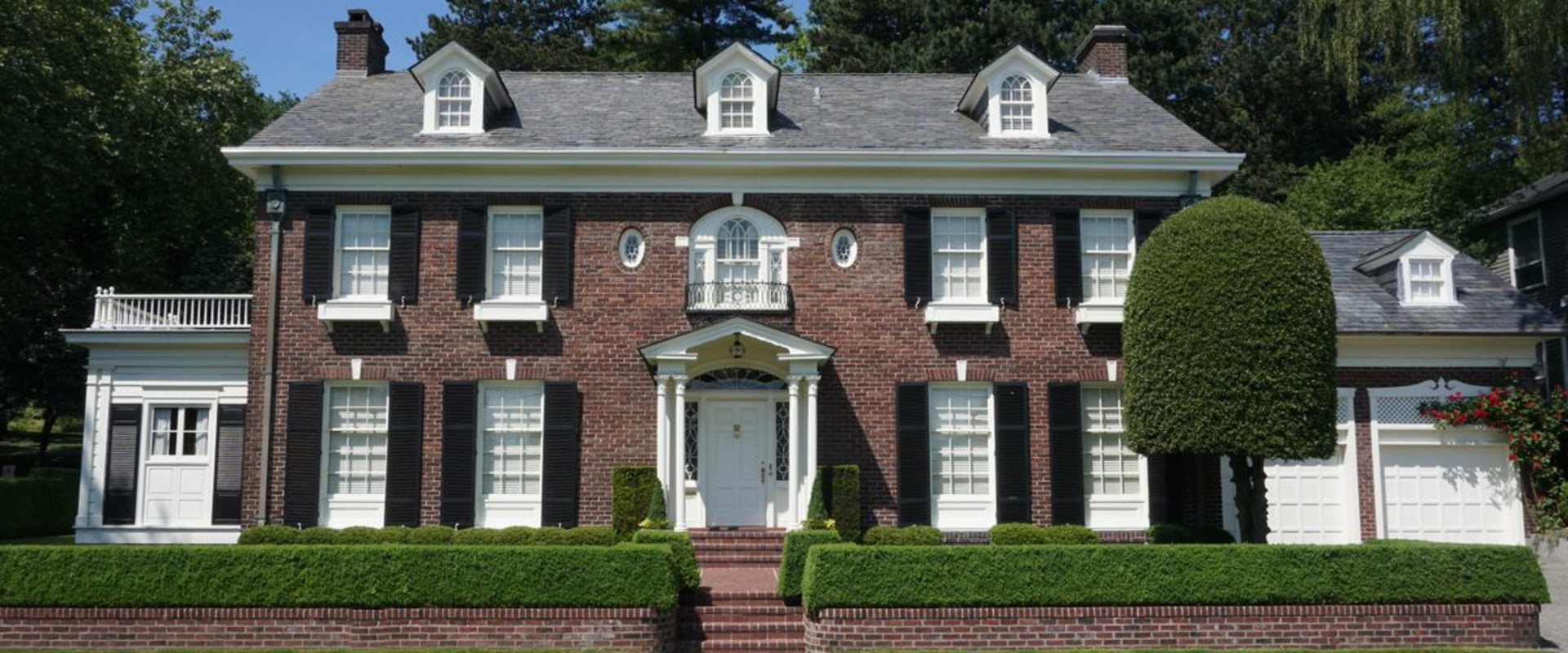
When considering a home renovation, the prospect of adding extra square footage can be both exciting and daunting. A home extension not only enhances your living space but can also significantly increase the value of your property. However, before diving into such a project, it is crucial to understand the cost of home extensions , particularly when contemplating a substantial addition like 1000 square feet. This decision requires careful planning and budgeting to ensure that the investment aligns with your financial capabilities and long-term goals. The single story extension cost can vary widely based on several factors, including the type of materials used, the complexity of the design, and local labour rates.
For instance, a straightforward extension may be more affordable than one that requires intricate architectural features or extensive structural modifications. Additionally, the purpose of the extension—whether it’s for a new living room, kitchen, or additional bedrooms—can also influence costs significantly. Understanding these variables is essential for homeowners to make informed decisions. Moreover, adding square footage to your home is not merely about increasing space; it’s about enhancing functionality and improving your quality of life. A well-planned extension can create a seamless flow between indoor and outdoor areas, provide much-needed room for growing families, or even serve as a dedicated workspace in today’s remote working environment.
Therefore, before embarking on this journey, it’s vital to assess not only the financial implications but also how the new space will serve your lifestyle needs.
Factors Influencing Single Story Extension Costs
When considering a single story extension, several key factors can significantly influence the overall cost. Understanding these elements is crucial for homeowners to budget effectively and make informed decisions about their home improvement projects.Location
The geographical location of your home plays a pivotal role in determining extension costs. Urban areas typically have higher labour and material costs compared to rural locations. Additionally, local regulations and planning permissions can vary, potentially adding to the expenses.For instance, if your property is in a conservation area or subject to specific building regulations, you may face additional fees and requirements that can increase the overall budget.
Materials
The choice of materials is another significant factor affecting the cost of a single story extension. High-quality materials such as brick, stone, or timber can enhance the aesthetic appeal and durability of your extension but will also come at a premium price. Conversely, opting for more economical materials may reduce costs but could impact the longevity and appearance of the extension. It’s essential to strike a balance between quality and budget when selecting materials.Design Complexity
The complexity of the design can also influence costs.A straightforward rectangular extension will generally be less expensive than a more intricate design featuring multiple angles or unique architectural elements. Custom designs often require more time and expertise from architects and builders, which can lead to increased labour costs. Therefore, it’s advisable to consider how the design aligns with your budget while still meeting your functional needs.
Labour Costs
Labour costs can vary significantly based on the region and the experience level of the contractors you hire. Skilled tradespeople may charge higher rates, but their expertise can lead to better quality work and fewer issues down the line.It’s wise to obtain multiple quotes from different contractors to ensure you’re getting a fair price while also considering their reputation and past work.
Additional Expenses
Beyond the primary construction costs, homeowners should also account for additional expenses such as planning fees, permits, and potential landscaping after the extension is completed. These costs can add up quickly, so it’s essential to include them in your overall budget from the outset. In summary, understanding these factors—location, materials, design complexity, labour costs, and additional expenses—will provide homeowners with a clearer picture of what influences single story extension costs. By carefully considering each aspect, you can create a realistic budget that aligns with your vision for your home addition.Average Costs for Adding 1000 Square Feet
When considering a home extension, understanding the average costs associated with adding 1000 square feet is crucial for effective budgeting. The overall expense can vary significantly based on several factors, including location, materials, and the complexity of the project. On average, the cost per square foot for a single-story extension in the UK typically ranges from £1,200 to £2,000.This means that for a 1000 square foot addition, homeowners can expect to pay between £120,000 and £200,000. However, these figures can fluctuate based on specific circumstances.
Factors Influencing Costs
- Location: The geographical area plays a significant role in determining costs. Urban areas often have higher labour and material costs compared to rural locations.
- Design Complexity: A straightforward extension will generally be less expensive than one that requires intricate architectural designs or structural modifications.
- Materials Used: The choice of materials can greatly affect the overall cost. High-end finishes and sustainable materials will increase expenses compared to standard options.
- Permits and Regulations: Depending on local regulations, obtaining necessary permits can add to the budget.
It’s essential to factor in these costs when planning your extension.
- Site Preparation: Clearing and preparing the site for construction can incur additional charges.
- Utility Connections: If your extension requires new plumbing or electrical work, these connections can add significant costs.
- Landscaping: Post-construction landscaping may also need to be factored into your budget.
Types of Single Story Extensions
When considering a single story extension, homeowners have a variety of options to choose from, each offering unique benefits and costs. Understanding these different types can help you make an informed decision that aligns with your needs and budget.1.Conservatories
Conservatories are a popular choice for homeowners looking to add a touch of elegance and natural light to their living space.Typically constructed with a glass roof and walls, conservatories can serve as sunrooms, dining areas, or even garden rooms. The cost of building a conservatory can range from £10,000 to £30,000, depending on the size, materials used, and complexity of the design.
2.Sunrooms
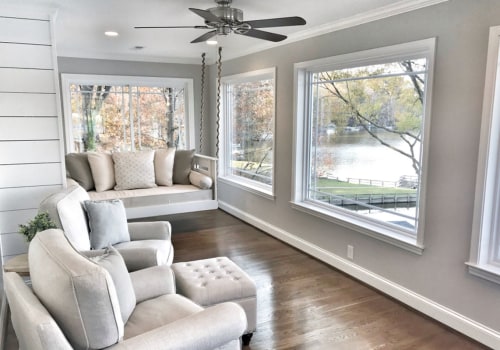
Similar to conservatories, sunrooms are designed to maximise sunlight while providing a comfortable indoor environment. However, sunrooms often feature more solid walls and insulation compared to conservatories, making them suitable for year-round use. The average cost for a sunroom extension can vary between £15,000 and £40,000, influenced by factors such as size and the quality of materials.3.Additional Living Spaces
For those seeking more functional space, additional living areas such as family rooms or home offices are excellent options.These extensions can be tailored to fit your specific needs and can include features like built-in storage or open-plan layouts. The cost for adding an additional living space typically ranges from £20,000 to £50,000, depending on the design and finishes chosen.
4.Kitchen Extensions
Expanding your kitchen is another popular single story extension option that not only enhances your cooking space but also increases the overall value of your home. Kitchen extensions often require plumbing and electrical work, which can add to the overall cost. Homeowners should expect to invest between £25,000 and £60,000 for a kitchen extension.5.Garage Conversions
If you have an existing garage that is underutilised, converting it into a living space can be a cost-effective solution.Garage conversions typically range from £10,000 to £25,000 and can provide additional bedrooms or playrooms without the need for new construction. In conclusion, when exploring single story extension options, it’s essential to consider both the style and associated costs of each type. By evaluating your needs and budget carefully, you can select an extension that not only enhances your home’s functionality but also adds value in the long run.
Planning Your Single Story Extension Project
When embarking on a single story extension project, careful planning is crucial to ensure a successful outcome. Here are the essential steps to guide you through the process:- Define Your Goals: Start by clearly outlining what you want to achieve with your extension. Are you looking to create additional living space, a home office, or perhaps a larger kitchen? Understanding your objectives will help shape the design and functionality of the extension.
- Set a Budget: Establishing a realistic budget is vital.
Consider all potential costs, including materials, labour, permits, and unexpected expenses. It’s wise to allocate an additional 10-20% of your budget for unforeseen circumstances.
- Research Local Regulations: Before proceeding, check with your local council regarding planning permissions and building regulations. Some extensions may require formal approval, while others might fall under permitted development rights. Understanding these regulations early can save you time and money.
- Hire Qualified Professionals: Engaging experienced contractors and architects can significantly impact the success of your project.
Look for professionals with a solid reputation and relevant experience in home extensions. Obtain multiple quotes and check references to ensure you make an informed choice.
- Create a Detailed Plan: Work closely with your architect or designer to develop detailed plans for your extension. This should include architectural drawings, structural details, and specifications for materials. A well-thought-out plan will facilitate smoother execution during construction.
- Obtain Necessary Permits: Once your plans are finalised, submit them to your local authority for approval.
This process can take time, so factor it into your overall timeline. Ensure that all necessary permits are secured before commencing work.
- Establish a Timeline: Develop a realistic timeline for your project that includes all phases of construction. Consider factors such as weather conditions and contractor availability. Regularly review progress against this timeline to keep the project on track.
- Communicate Effectively: Maintain open lines of communication with your contractors throughout the project.
Regular updates and discussions can help address any issues promptly and keep everyone aligned with the project goals.
Financing Your Home Extension: Options and Considerations
When considering a home extension, understanding your financing options is crucial to ensure that your project remains within budget and is financially viable. There are several avenues available for homeowners looking to fund their renovations, each with its own advantages and considerations.Loan Options for Home Extensions
One of the most common methods of financing a home extension is through loans. Here are some popular options:- Home Equity Loan: This type of loan allows you to borrow against the equity you have built up in your home. It typically offers lower interest rates compared to personal loans, making it an attractive option for larger projects.
- Remortgaging: If you have a significant amount of equity, remortgaging your home can provide the funds needed for your extension.
This involves taking out a new mortgage that is larger than your current one, allowing you to access cash for renovations.
- Personal Loans: For smaller projects, personal loans can be a quick solution. They usually have higher interest rates than secured loans but can be processed faster and without the need for collateral.
- Government Grants and Schemes: Depending on your location, there may be government grants or schemes available to assist with home improvements. These can significantly reduce the financial burden of your extension.
Budgeting for Your Home Extension
Effective budgeting is essential when planning a home extension. Here are some key considerations:- Detailed Cost Estimates: Before committing to any financing option, obtain detailed estimates from contractors.
This should include materials, labour, and any additional costs such as permits or inspections.
- Contingency Fund: Always set aside a contingency fund of at least 10-20% of your total budget to cover unexpected expenses that may arise during construction.
- Long-Term Financial Impact: Consider how the financing option you choose will affect your long-term financial situation. Ensure that monthly repayments fit comfortably within your budget.
Return on Investment (ROI) for Home Extensions
When considering a home extension, particularly a single story extension, understanding the potential return on investment (ROI) is crucial. Homeowners often seek to enhance their living space while simultaneously increasing the value of their property.A well-planned extension can yield significant financial benefits, but several factors influence the overall ROI. One of the primary advantages of adding a single story extension is the potential increase in property value. According to various studies, homeowners can expect to recoup a substantial portion of their investment when selling their home after an extension. On average, a well-executed extension can add between 10% to 20% to the property's market value, depending on location and quality of work.
Factors Influencing ROI
- Location: The geographical area plays a significant role in determining ROI. Properties in desirable neighbourhoods tend to see higher returns compared to those in less sought-after locations.
- Quality of Work: The craftsmanship and materials used in the extension can greatly affect its value.
High-quality finishes and attention to detail can enhance appeal and justify a higher asking price.
- Type of Extension: Different types of extensions offer varying levels of ROI. For instance, adding a spacious living area or an open-plan kitchen can be more appealing than a simple utility room addition.
- Market Trends: Keeping an eye on local real estate trends is essential. In a booming market, extensions may yield higher returns, while in a stagnant market, the ROI may be less predictable.
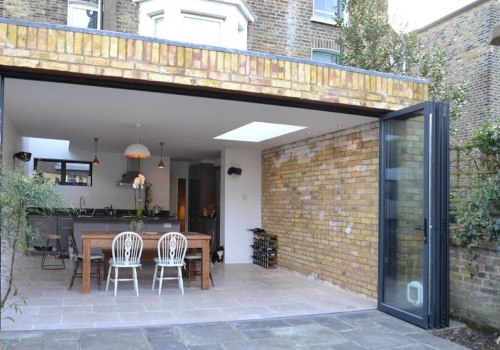
For example, integrating modern features such as bi-fold doors that connect indoor and outdoor spaces can enhance both usability and aesthetic appeal. In conclusion, investing in a single story extension not only enhances your living environment but also serves as a strategic move for increasing your property's value. By carefully considering factors such as location, quality, type of extension, and current market conditions, homeowners can maximise their ROI and enjoy both immediate benefits and long-term gains from their investment in property improvements.
Common Mistakes to Avoid When Planning an Extension
When embarking on a home extension project, homeowners often encounter various challenges that can lead to costly mistakes. Understanding these common pitfalls can help you navigate the planning process more effectively and ensure a successful outcome.1.Inadequate Planning
One of the most significant errors is failing to plan adequately. This includes not only the design and layout of the extension but also the budget and timeline.Without a clear plan, you may find yourself facing unexpected costs or delays. It’s essential to create a detailed project plan that outlines every aspect of the extension, from initial design concepts to final inspections.
2.Ignoring Local Regulations
Many homeowners overlook the importance of understanding local building regulations and planning permissions. Failing to secure the necessary approvals can result in fines or even having to dismantle your extension. Always check with your local council to ensure compliance with zoning laws and building codes before commencing work.3.Underestimating Costs
Another common mistake is underestimating the total costs involved in a home extension.While it’s easy to focus on construction expenses, other factors such as permits, design fees, and potential landscaping should also be considered. To avoid financial strain, it’s advisable to set aside a contingency fund of at least 10-20% of your total budget for unforeseen expenses.
4.Choosing the Wrong Contractor
Selecting an inexperienced or unqualified contractor can lead to subpar workmanship and delays. It’s crucial to conduct thorough research, check references, and review past projects before making a decision. A reputable contractor will not only provide quality work but also help guide you through the planning process.5.Neglecting Future Needs
When designing your extension, it’s vital to consider your future needs.Many homeowners focus solely on their current lifestyle without thinking about how their requirements may change over time. For instance, if you plan to expand your family or work from home, ensure that your extension accommodates these potential changes.
6.Skimping on Quality Materials
While it may be tempting to cut costs by opting for cheaper materials, this can lead to long-term issues such as maintenance problems or reduced energy efficiency. Investing in high-quality materials will not only enhance the durability of your extension but also improve its overall aesthetic appeal. By being aware of these common mistakes and taking proactive steps to avoid them, you can significantly increase the chances of a successful home extension project that meets both your current and future needs.FAQs About Single Story Extensions and Costs
When considering a single story extension, many homeowners have questions regarding the costs and processes involved. Below are some of the most frequently asked questions that can help clarify your concerns.What is the average cost of a single story extension?
The cost of a single story extension can vary significantly based on several factors, including location, size, and the complexity of the design.On average, homeowners can expect to pay between £1,200 and £2,000 per square metre. Therefore, for a 1000 square foot extension, costs could range from approximately £120,000 to £240,000. It’s essential to obtain multiple quotes from contractors to get a more accurate estimate tailored to your specific project.
What factors influence the cost of a single story extension?
- Design Complexity: More intricate designs may require additional engineering and architectural fees.
- Materials: The choice of materials can greatly affect costs; high-end finishes will increase your budget.
- Location: Costs can vary by region due to differences in labour rates and local regulations.
- Planning Permissions: If your extension requires planning permission, this can add to the overall cost.
Are there any hidden costs I should be aware of?
Yes, there are often hidden costs associated with home extensions. These may include:- Site Preparation: Clearing the site and preparing the foundation can incur additional expenses.
- Utility Connections: If your extension requires new plumbing or electrical work, these costs can add up quickly.
- Interior Finishing: Don’t forget to budget for flooring, painting, and other interior finishes that may not be included in initial quotes.
How long does it take to complete a single story extension?
The timeline for completing a single story extension typically ranges from 8 to 12 weeks.However, this can vary based on factors such as weather conditions, availability of materials, and the complexity of the project. It’s advisable to discuss timelines with your contractor during the planning phase.
Will a single story extension add value to my home?
A well-planned and executed single story extension can significantly enhance your home’s value. Many homeowners see a return on investment (ROI) of around 70% to 90% when selling their property after an extension. However, this can depend on various factors such as market conditions and the quality of the work done. If you have more questions or need further clarification about single story extensions and their costs, consulting with a renovation expert or contractor can provide tailored advice for your specific situation.Conclusion: Making Informed Decisions About Your Home Extension
In conclusion, embarking on a project to add 1000 square feet to your home is a significant undertaking that requires careful consideration and planning.Understanding the single story extension cost is crucial for homeowners looking to enhance their living space while ensuring that the investment is worthwhile. Throughout this article, we have explored various factors that influence the overall cost of a home extension. From the type of room being added to the structural changes required, each element plays a vital role in determining the final budget. It is essential to recognise that not all extensions are created equal; for instance, adding a kitchen or bathroom will typically incur higher costs due to the need for plumbing and electrical work compared to a simple living room extension. Moreover, utilising a home expansion cost calculator can provide invaluable insights into potential expenses. This tool allows homeowners to input specific details about their project, such as size and materials, to receive a more accurate estimate.
By doing so, you can avoid unexpected financial surprises during the construction process. Additionally, considering the return on investment (ROI) is paramount. A well-planned extension can significantly increase your property’s value, making it an attractive option for future buyers. However, it is essential to balance the costs with potential returns; not every extension will yield the same financial benefits. Ultimately, making informed decisions about your home extension involves thorough research and planning. Engage with professionals who can provide expert advice tailored to your specific needs and circumstances.
By understanding the costs involved and carefully weighing your options, you can ensure that your home extension project not only meets your immediate needs but also enhances your property’s long-term value. In summary, take the time to assess all aspects of your planned extension. From budgeting and design choices to understanding local regulations and potential ROI, each factor contributes to a successful outcome. With careful planning and informed decision-making, you can create a beautiful and functional space that complements your lifestyle.