single story extension cost
Understanding the Importance of Proper Foundation Depth for Single Storey Extensions and Its Impact on Costs
Discover the importance of proper foundation depth for single storey extensions and its impact on costs and structural integrity.
In recent years, the popularity of single storey extensions has surged among homeowners looking to enhance their living space without the complexities of a multi-storey build. These extensions offer a practical solution for families needing extra room for various purposes, whether it be a new kitchen, a home office, or a playroom for children. However, while the aesthetic and functional benefits of these extensions are often highlighted, one critical aspect that cannot be overlooked is the importance of proper foundation depth. The foundation serves as the backbone of any structure, and its depth is paramount in ensuring the stability and longevity of your single storey extension. A well-designed foundation not only supports the weight of the extension but also protects it from potential issues such as subsidence or shifting soil.
When considering the cost of a single storey extension, many homeowners may focus on materials and design, but neglecting the foundation can lead to significant long-term expenses due to structural failures or necessary repairs. Understanding the relationship between foundation depth and overall extension costs is essential. A deeper foundation may require more excavation and materials, which can increase initial costs. However, investing in a robust foundation can save money in the long run by preventing costly repairs and ensuring that your extension remains safe and functional for years to come. This section will delve into why foundation depth is crucial for single storey extensions and how it impacts both structural integrity and financial considerations.
What is a Single Storey Extension?
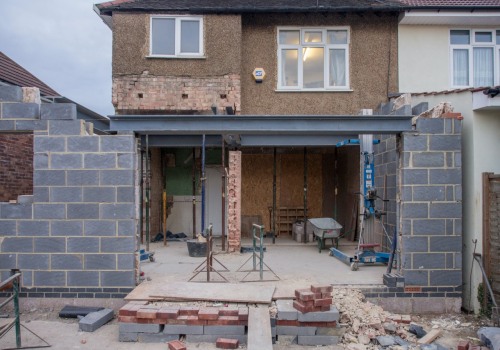
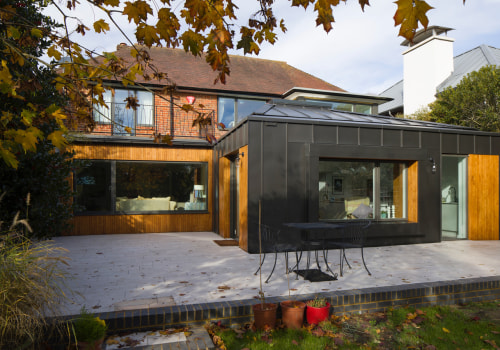
A single storey extension is a popular home improvement option that involves adding a new room or space to a property, extending outwards from the existing structure.This type of extension is typically built on the ground floor and can serve various purposes, such as creating additional living space, enhancing the kitchen, or adding a new bedroom. The appeal of single storey extensions lies in their ability to provide extra room without the need for extensive renovations or the complexities associated with multi-storey builds. There are several types of single storey extensions that homeowners can consider:
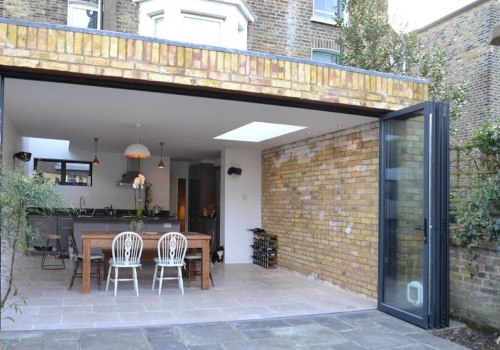
- Rear Extensions: These are built at the back of the house and are ideal for expanding kitchens or living areas. They often feature large windows or bi-fold doors to create a seamless connection with the garden.
- Side Extensions: These extensions extend from the side of the property and can be used to create additional rooms or widen existing spaces. They are particularly useful for semi-detached or terraced homes.
- Wrap-Around Extensions: Combining both rear and side extensions, wrap-around designs create a larger footprint and can significantly enhance the layout of a home.
- Porch Extensions: These smaller extensions add a covered entrance to the home, providing shelter and enhancing curb appeal.
- Increased Space: One of the most significant advantages is the additional living space it provides, which can be tailored to meet specific needs.
- Enhanced Property Value: A well-designed extension can increase the overall value of your home, making it more attractive to potential buyers.
- Cost-Effective: Compared to moving to a larger property, extending your current home is often more affordable and less disruptive.
- Improved Lifestyle: Extensions can enhance your quality of life by creating more functional spaces for family gatherings, entertaining guests, or simply enjoying more room to breathe.
The stability and longevity of these extensions depend significantly on how well they are anchored to the ground, making foundation considerations an essential part of any building project.
The Role of Foundation Depth in Construction
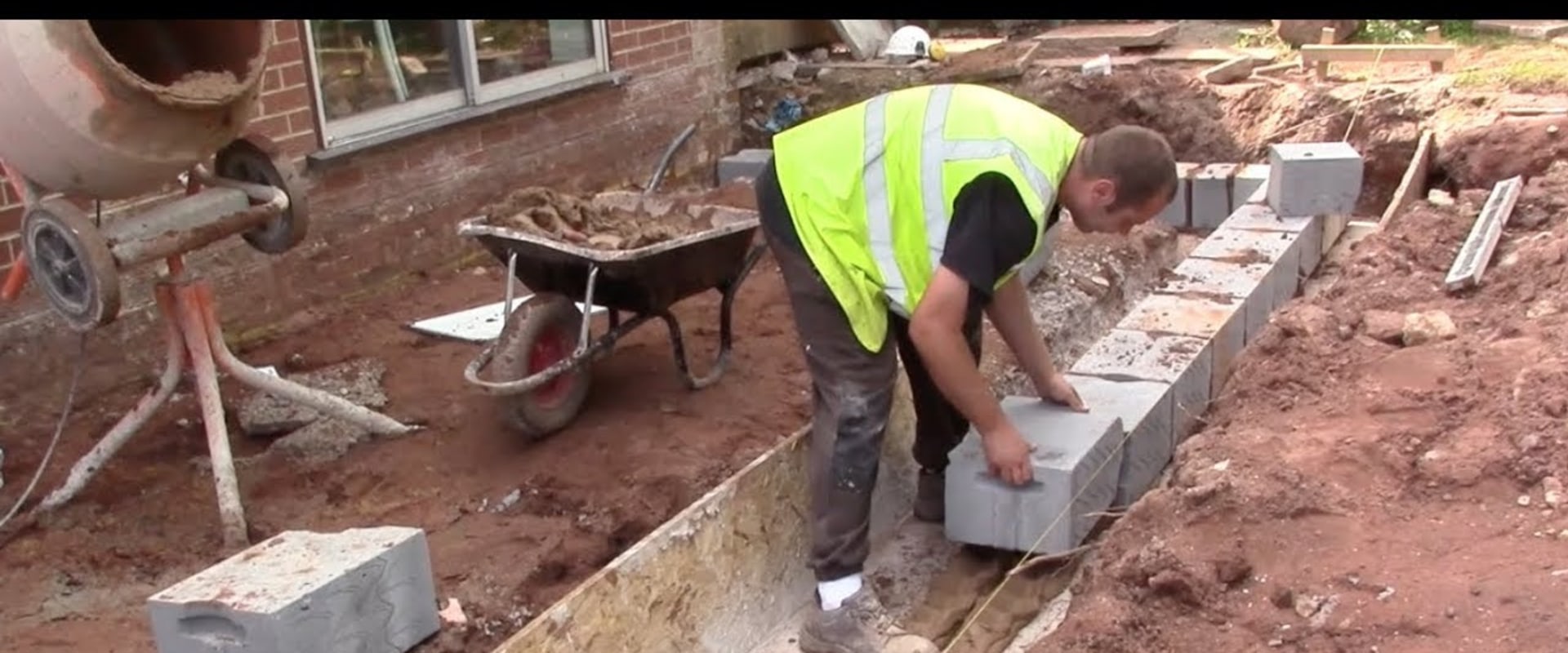
The depth of a foundation is a fundamental aspect of construction that significantly influences the overall stability and durability of a structure. When planning a single storey extension, understanding the role of foundation depth is crucial for ensuring that the extension can withstand various loads and environmental factors. One of the primary functions of foundation depth is to provide adequate support for the weight of the building. A properly designed foundation distributes the load from the structure evenly across the soil, preventing excessive settlement or shifting. If the foundation is too shallow, it may not adequately support the weight, leading to structural issues such as cracks in walls or uneven floors. Moreover, foundation depth plays a vital role in enhancing load-bearing capacity.Different soil types have varying load capacities, and deeper foundations can reach more stable soil layers. For instance, clay soils may require deeper foundations to avoid issues related to moisture fluctuations, which can cause expansion and contraction. By ensuring that the foundation reaches stable ground, builders can mitigate risks associated with soil movement. In addition to supporting weight, a deeper foundation also provides resistance against external forces such as wind and seismic activity. Structures are subject to lateral forces that can cause them to sway or shift.
A well-anchored foundation helps resist these forces, maintaining the integrity of the building over time. Furthermore, proper foundation depth is essential for preventing water ingress and moisture-related problems. Shallow foundations are more susceptible to flooding and water accumulation, which can lead to deterioration of building materials and promote mould growth. By digging deeper, builders can place foundations below the frost line in colder climates, reducing the risk of frost heave and ensuring long-term stability. In summary, the importance of foundation depth cannot be overstated when constructing a single storey extension. It directly impacts stability, load-bearing capacity, and resistance to external forces.
Investing time and resources into determining the appropriate foundation depth will pay off in terms of safety and longevity for your extension.
Factors Influencing Foundation Depth for Single Storey Extensions
When planning a single storey extension, understanding the factors that influence foundation depth is crucial for ensuring structural integrity and longevity. Several key elements come into play, including soil type, load requirements, and environmental conditions.Soil Type Impact
The type of soil on your property significantly affects the foundation depth required for your extension. Different soil types have varying load-bearing capacities:- Clay: Clay soils can expand and contract with moisture changes, making them less stable. Foundations in clay may need to be deeper to reach more stable layers.
- Sandy Soil: Sandy soils typically provide good drainage and are less prone to shifting.
However, they may require a wider foundation to distribute the load effectively.
- Loam: Loamy soils, a mix of sand, silt, and clay, generally offer a balanced foundation option. They usually require standard depth foundations but should still be assessed for specific conditions.
Load Requirements
The anticipated load on the foundation is another critical factor. This includes not only the weight of the extension itself but also any additional loads from furniture, appliances, and potential future modifications. Key considerations include:- Weight Distribution: A well-distributed load can reduce the need for deeper foundations.
For instance, if heavy appliances are planned for the extension, this may necessitate a deeper foundation to support the extra weight.
- Future Expansion: If you plan to add more rooms or features later, it’s wise to consider this in your initial foundation design. A slightly deeper foundation can accommodate future loads without requiring extensive modifications.
Environmental Conditions
Environmental factors such as nearby trees, water tables, and weather patterns can also influence foundation depth:- Trees: Roots from nearby trees can affect soil stability and moisture levels. If trees are present, it may be necessary to dig deeper to avoid potential upheaval caused by root growth.
- Water Table Levels: High water tables can lead to soil saturation, which may require deeper foundations to ensure stability and prevent water-related issues.
Recommended Foundation Depths for Different Soil Types
When planning a single storey extension, understanding the foundation depth required for different soil types is crucial.Each type of soil has unique characteristics that can significantly affect the stability and longevity of your extension. Below are some recommendations based on common soil types found in the UK.
- Clay Soil: Clay is known for its expansive properties, which can lead to significant movement as it absorbs and loses moisture. For extensions built on clay, a foundation depth of at least 1.2 meters is recommended to reach stable ground. This depth helps mitigate the risks associated with soil shrinkage and swelling.
- Sandy Soil: Sandy soil typically offers good drainage but has lower load-bearing capacity.
A foundation depth of around 0.9 meters is generally sufficient for single storey extensions on sandy soil. However, it’s essential to ensure that the base is well-compacted to prevent settling.
- Silty Soil: Silty soil can retain moisture and may become unstable when wet. For foundations on silty soil, a depth of at least 1 meter is advisable. This depth helps ensure that the foundation is placed below the active zone where moisture fluctuations occur.
- Rocky Soil: If your site has rocky soil, you may find that excavation is more challenging.
However, rocky soils provide excellent support for foundations. A minimum depth of 0.6 meters is often adequate, but this can vary based on the specific rock type and its load-bearing capacity.
- The weight of the structure being built.
- Local building regulations and codes.
- The presence of trees or vegetation nearby that may affect soil stability.
Cost Implications of Foundation Depth in Single Storey Extensions
When planning a single storey extension, understanding the cost implications of foundation depth is crucial. The foundation serves as the backbone of your extension, and its depth can significantly influence the overall budget.Here, we will explore the various factors that contribute to the costs associated with foundation depth. One of the primary considerations is the type of foundation required. For instance, a shallow foundation may suffice for certain soil types, while others may necessitate a deeper excavation to reach stable ground. This variation can lead to differing costs:
- Shallow Foundations: Typically less expensive, these foundations are suitable for stable soils and can cost around £100 to £150 per square metre.
- Deep Foundations: Required for unstable or clay-rich soils, these can range from £200 to £300 per square metre due to increased excavation and material costs.
- Excavation Costs: Digging deeper trenches increases labour time and machinery hire, which can add £50 to £100 per hour depending on site conditions.
- Material Costs: The need for additional concrete and reinforcement materials for deeper foundations can escalate costs by 20% or more compared to standard depths.
If your property is in a tight space or has limited access for heavy machinery, this may necessitate manual excavation methods, increasing labour costs significantly. When budgeting for your extension, it’s essential to consider these factors holistically. A well-planned budget should account for potential variations in foundation depth and type based on soil analysis. Consulting with a structural engineer early in the process can provide valuable insights into expected costs and help you avoid unexpected expenses down the line. In conclusion, while it may be tempting to minimise costs by opting for shallower foundations, investing in the appropriate depth is vital for ensuring the longevity and stability of your single storey extension. A thorough understanding of these cost implications will enable you to make informed decisions that align with both your budget and structural needs.
Common Mistakes to Avoid When Planning Foundation Depth
When planning the foundation depth for a single storey extension, avoiding common mistakes is crucial to ensure the stability and longevity of your project.Here are some frequent errors that can lead to costly repercussions:
- Underestimating Soil Conditions: One of the most significant mistakes is failing to assess the soil type and its load-bearing capacity. Different soils react differently under pressure, and not accounting for this can lead to inadequate foundation depth. Always conduct a thorough soil test before finalising your plans.
- Ignoring Local Building Regulations: Each locality has specific building codes that dictate foundation requirements. Neglecting these regulations can result in fines or the need for costly modifications later on.
Always consult with local authorities or a qualified professional to ensure compliance.
- Overlooking Drainage Needs: Proper drainage is essential for any foundation. Failing to plan for adequate drainage can lead to water accumulation, which may undermine the foundation over time. Ensure that your design includes effective drainage solutions to protect your investment.
- Not Consulting Professionals: Attempting to determine foundation depth without professional guidance can be a grave error. Engineers and architects have the expertise to evaluate your specific situation and provide tailored recommendations.
Their insights can save you from making decisions based on assumptions.
- Neglecting Future Expansion: If you plan to expand your home in the future, it’s vital to consider this during the initial planning phase. A foundation that is too shallow may not support additional weight later on, leading to structural issues down the line.
Consulting Professionals: Why Expert Advice is Essential
When embarking on a project as significant as a single storey extension, the importance of consulting with professionals cannot be overstated. Engaging with experienced engineers and architects is crucial for ensuring that your foundation is designed and constructed correctly.Their expertise can help you navigate the complexities of foundation depth, which is vital for the stability and longevity of your extension. One of the primary reasons to seek expert advice is that professionals possess a deep understanding of local building regulations and soil conditions. They can conduct thorough site assessments to determine the most suitable foundation type and depth based on your specific circumstances. This tailored approach not only enhances the structural integrity of your extension but also mitigates potential risks associated with improper foundation work.
Cost-Effectiveness Through Expert Guidance
While hiring professionals may seem like an additional expense, it can actually lead to significant cost savings in the long run. Poorly executed foundations can result in costly repairs, structural failures, or even legal issues if building codes are not adhered to.By investing in expert advice from the outset, you can avoid these pitfalls and ensure that your project stays within budget. Moreover, professionals can provide valuable insights into the single story extension cost, helping you understand how different foundation depths and types will impact your overall expenditure. They can also recommend cost-effective solutions that do not compromise on quality or safety.
The Role of Engineers in Foundation Design
Engineers play a pivotal role in the design and implementation of foundations for extensions. They assess various factors such as soil type, load-bearing requirements, and environmental conditions to determine the optimal foundation depth. Their calculations are based on scientific principles and industry standards, ensuring that your extension will withstand external forces such as wind, rain, and even seismic activity. Furthermore, engineers can help you plan for future expansions or modifications.By considering potential future needs during the initial design phase, they can recommend a foundation depth that accommodates these possibilities without requiring extensive rework later on. In conclusion, consulting with professionals is an essential step in the process of building a single storey extension. Their expertise not only ensures compliance with regulations but also enhances the safety and durability of your project. By prioritising professional guidance, you are making a wise investment in both the immediate success of your extension and its long-term viability.
FAQs About Foundation Depth and Costs for Single Storey Extensions
When considering a single storey extension, many homeowners have questions regarding the foundation depth and associated costs. Below are some frequently asked questions that can help clarify these important aspects.What is the recommended foundation depth for a single storey extension?
The recommended foundation depth typically starts at a minimum of 12 inches (300 mm) below the ground level, reaching down to stable soil.However, this can vary based on factors such as soil type, load requirements, and local building regulations. It is essential to consult with a structural engineer to determine the appropriate depth for your specific project.
How does soil type affect foundation depth?
Soil type plays a crucial role in determining the necessary foundation depth. For instance:- Clay soils: These may require deeper foundations due to their tendency to expand and contract with moisture changes.
- Sandy soils: Generally provide good drainage but may need additional depth if they are loose or unstable.
- Rocky soils: Often allow for shallower foundations, but excavation can be more challenging and costly.
What are the typical costs associated with foundation work for extensions?
The cost of foundations for a single storey extension can vary significantly based on several factors:- Size of the extension: Larger extensions will naturally incur higher costs due to increased material and labour requirements.
- Soil conditions: If your site has challenging soil conditions, additional excavation or reinforcement may be necessary, increasing costs.
- Foundation type: Different types of foundations (e.g., strip, pad, or raft foundations) come with varying costs based on complexity and materials used.
- Location: Costs can also vary by region due to differences in labour rates and material availability.
Can I save money by reducing foundation depth?
While it may be tempting to cut costs by reducing foundation depth, this can lead to serious structural issues in the future. A properly designed foundation is critical for ensuring the stability and longevity of your extension.Investing in adequate foundation depth now can save you from costly repairs later. If you have further questions about foundation depths or costs related to your single storey extension, it’s advisable to seek professional advice tailored to your specific circumstances.
Conclusion: The Key Takeaways on Foundation Depth and Costs for Extensions
In summary, the significance of proper foundation depth for single storey extensions cannot be overstated. It is a critical factor that directly influences the single story extension cost, the structural integrity of your new addition, and the overall success of your project. Here are the key takeaways to consider:- Foundation Depth Matters: Ensuring that your foundation reaches the appropriate depth is essential for supporting the weight of the extension and withstanding external forces. A depth of at least 12 inches after reaching intact soil is generally recommended.
- Soil Type and Load Capacity: The type of soil on your property plays a crucial role in determining how deep your foundation should be.
Softer soils may require deeper foundations to ensure stability, while harder soils can often support shallower depths.
- Consult Professionals: Engaging with a qualified engineer or builder is vital. They can provide tailored advice based on your specific site conditions, ensuring that you adhere to local building regulations and best practices.
- Cost Implications: While it may be tempting to cut costs by skimping on foundation depth, this can lead to more significant expenses down the line due to structural issues or necessary repairs. Investing in a solid foundation now can save you money in the future.
- Future Expansion Considerations: If you plan to expand your single storey extension in the future, it’s wise to consider this during the initial construction phase. A well-planned foundation will accommodate potential future loads without requiring extensive modifications.
By prioritising these aspects, you ensure that your investment in a single storey extension is both sound and sustainable.