single story extension cost
Understanding the Costs of a Single Story Extension: Key Factors in Home Remodeling
Explore the costs of single story extensions, key factors influencing expenses, and tips for effective budgeting in home remodeling.
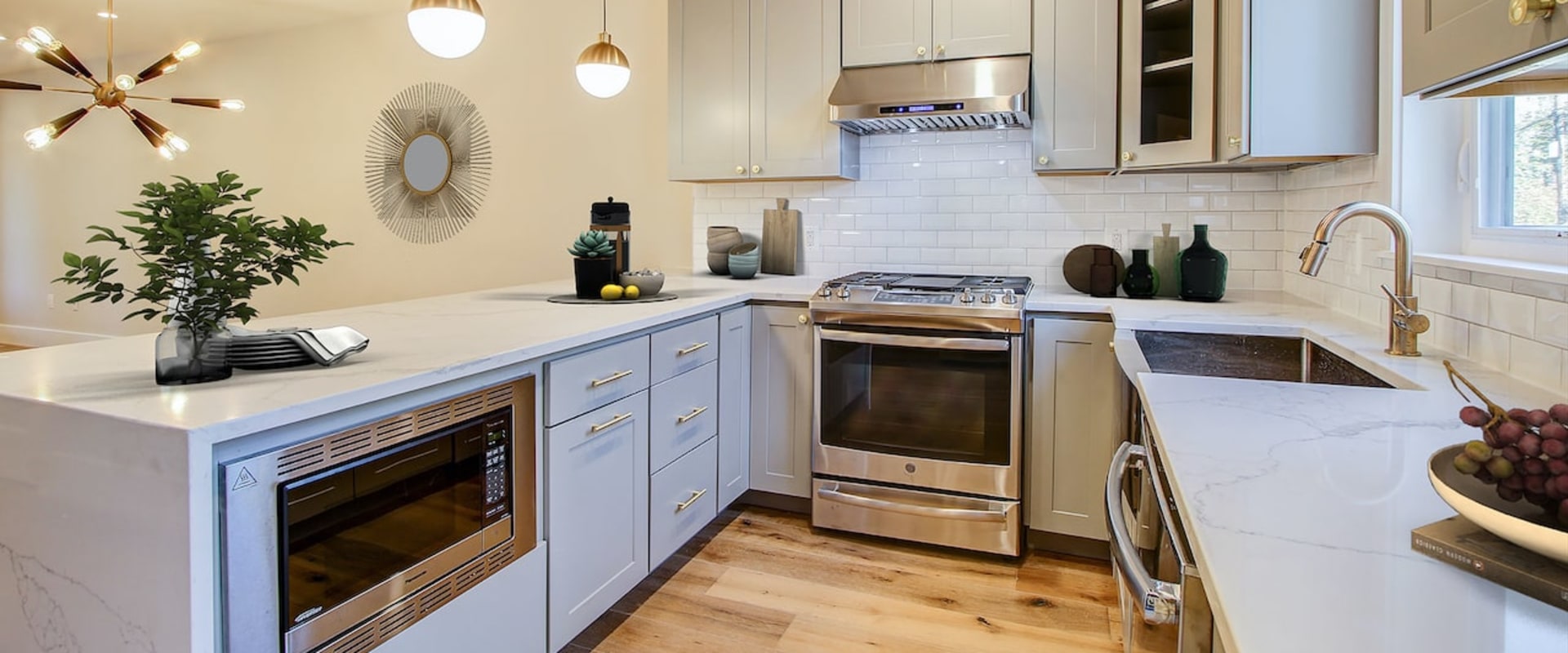
Home remodeling is an exciting yet daunting venture for many homeowners, particularly when considering the financial implications involved. Among the various types of renovations, a single story extension stands out as a popular choice for those looking to enhance their living space without the complexities of multi-storey builds. However, understanding the costs associated with home remodeling and ensuring compliance with regulations, such as the right to rent, is crucial for effective planning and budgeting. The expenses tied to a single story extension can vary significantly based on several factors, including the size of the extension, the materials used, and the complexity of the design. Homeowners often find themselves grappling with questions such as: What are the most expensive components of this project? How can I ensure that I stay within my budget while achieving my desired outcome? By delving into these aspects, we can better appreciate the financial landscape of home renovations. In this article, we will explore the various elements that contribute to the overall costs of a home remodel, with a particular focus on single story extensions. and ensuring compliance with regulations, such as the right to rent, is crucial for effective planning and budgeting. The expenses tied to a single story extension can vary significantly based on several factors, including the size of the extension, the materials used, and the complexity of the design. Homeowners often find themselves grappling with questions such as: What are the most expensive components of this project? How can I ensure that I stay within my budget while achieving my desired outcome? By delving into these aspects, we can better appreciate the financial landscape of home renovations. In this article, we will explore the various elements that contribute to the overall costs of a home remodel, with a particular focus on single story extensions.
From labour and materials to permits and unexpected expenses, understanding these factors will empower homeowners to make informed decisions. Additionally, we will highlight strategies for managing costs effectively while still achieving a beautiful and functional living space. As we embark on this journey through the world of home remodeling costs, it’s essential to recognise that while expenses can add up quickly, careful planning and prioritisation can lead to successful outcomes. Whether you are considering a modest extension or a more elaborate renovation, being well-informed will help you navigate this complex process with confidence.
Understanding Single Story Extensions
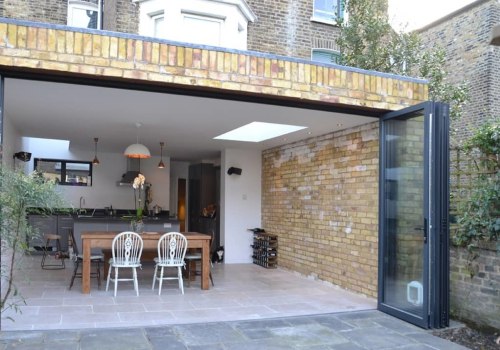
A single story extension is a popular home improvement option that involves adding a new room or expanding an existing one on the ground floor of a property. This type of extension is particularly appealing for homeowners looking to increase their living space without the complexities and costs associated with multi-storey builds.By extending outwards rather than upwards, homeowners can create functional areas that seamlessly integrate with their existing layout. One of the primary benefits of single story extensions is the enhanced accessibility they offer. With no stairs to navigate, these extensions are ideal for families with young children, elderly residents, or individuals with mobility challenges. Additionally, they can significantly improve the flow of natural light into your home, especially if designed with large windows or bi-fold doors that open up to the garden. Another advantage is the potential for increased property value. A well-designed single story extension can make your home more attractive to future buyers, as it provides additional living space that can be tailored to various needs—be it a spacious kitchen, a family room, or even a home office.
Design Considerations
When planning a single story extension, several design considerations should be taken into account:-
Integration with Existing Structure: The new extension should complement the existing architecture of your home.
This includes matching materials and styles to ensure a cohesive look.
- Functionality: Think about how you intend to use the new space. Whether it’s for entertaining guests or creating a quiet retreat, the design should reflect its intended purpose.
- Natural Light: Incorporating large windows or skylights can enhance the ambiance of the new room, making it feel more open and inviting.
- Outdoor Connection: Consider how the extension will connect with your outdoor space. Features like sliding doors can create a seamless transition between indoor and outdoor living.
Key Factors Influencing Single Story Extension Costs
When considering a single story extension, it is essential to understand the various factors that can significantly influence the overall costs.These factors can range from the choice of materials to the complexities of planning permissions, each playing a crucial role in determining the final budget.
Construction Materials
The type and quality of construction materials you choose will have a direct impact on your extension costs. High-quality materials, such as premium bricks, energy-efficient windows, and durable roofing options, can elevate your budget considerably. Conversely, opting for more affordable alternatives can help keep costs down without compromising too much on quality. It’s advisable to strike a balance between cost and durability to ensure your extension stands the test of time.Labour Costs
Labour costs are another significant factor in the overall expense of a single story extension.The rates charged by builders and contractors can vary widely based on their experience, location, and the complexity of the project. In urban areas, for instance, labour costs tend to be higher due to increased demand and living expenses. To manage these costs effectively, it’s beneficial to obtain multiple quotes from different contractors and assess their previous work to ensure you’re getting value for your investment.
Planning Permission Costs
Before commencing any construction work, understanding the planning permission requirements is vital. Depending on your local council regulations, you may need to apply for planning permission or adhere to specific building regulations.The application process can incur fees and may require additional documentation or surveys, which can add to your overall costs. Engaging with a professional who understands local planning laws can help streamline this process and potentially save you money in the long run.
Design Complexity
The design of your extension also plays a crucial role in determining costs. A straightforward design will generally be less expensive than one that includes intricate architectural features or bespoke elements. If you have specific design aspirations, consider consulting with an architect who can provide insights into how to achieve your vision within your budget. In summary, understanding these key factors—construction materials, labour costs, planning permissions, and design complexity—will empower homeowners to make informed decisions when budgeting for a single story extension.By carefully considering each aspect, you can create a realistic financial plan that aligns with your renovation goals.
Material Costs: Choosing Wisely
When planning a single story extension, one of the most significant factors influencing your overall budget is the cost of materials. The choice of materials can dramatically affect not only the aesthetic appeal of your extension but also its durability and maintenance requirements. Understanding the various options available and their associated costs is crucial for making informed decisions.Types of Materials and Their Costs
-
Structural Materials: These include bricks, blocks, and timber. Traditional brickwork may offer longevity and insulation but can be more expensive than alternatives like timber frame construction.
On average, brick can cost between £50 to £100 per square metre, while timber frames might range from £40 to £80 per square metre.
- Roofing Materials: The roof is a critical component of any extension. Options such as tiles, slates, or flat roofing systems vary in price. For instance, clay tiles can cost around £60 to £90 per square metre, while flat roofing materials may start at £30 per square metre.
- Windows and Doors: High-quality double or triple-glazed windows are essential for energy efficiency. Prices can vary significantly; standard uPVC windows may start at £300 each, while bespoke wooden frames can exceed £1,000 each.
-
Finishing Materials: This category includes flooring, wall finishes, and fixtures.
High-end materials like natural stone or hardwood flooring can cost upwards of £100 per square metre, whereas laminate or vinyl options may be available for as little as £20 per square metre.
High-End vs Budget Materials
Choosing between high-end and budget materials often comes down to balancing quality with cost. While high-end materials may offer superior aesthetics and durability, they can significantly inflate your budget. Conversely, budget materials can help you save money but may require more frequent replacements or repairs. To make the best choice:
- Assess Your Needs: Consider how long you plan to stay in your home and how much wear and tear the extension will experience.
- Research Alternatives: Look for materials that offer a good balance between cost and quality. For example, engineered wood can provide the look of hardwood at a lower price point.
- Consult Professionals: Engaging with architects or builders can provide insights into which materials will best suit your project while staying within budget.
Labour Costs: What to Expect
When planning a single story extension, understanding labour costs is crucial for budgeting effectively.Labour expenses can vary significantly based on the complexity of the project, the region, and whether you choose to hire professionals or undertake the work yourself.
Hiring Professionals
- Expertise and Experience: Engaging skilled contractors ensures that the work is completed to a high standard. Professionals bring valuable experience, which can prevent costly mistakes and delays.
- Time Efficiency: Professionals can often complete projects faster than DIY efforts due to their expertise and access to resources. This can be particularly beneficial if you have a tight timeline.
- Quality Assurance: Many contractors offer warranties on their work, providing peace of mind that any issues will be addressed without additional costs.
- Regulatory Compliance: Experienced builders are familiar with local building codes and regulations, ensuring that your extension meets all legal requirements.
Cons of Hiring Professionals
- Higher Costs: The most significant drawback of hiring professionals is the cost. Labour charges can account for a substantial portion of your overall budget, often ranging from 20% to 50% of the total project cost.
- Less Control: When you hire contractors, you may have less direct control over the day-to-day progress and decisions made during the build.
DIY vs Professional Help
Opting for a DIY approach can seem appealing due to potential savings on labour costs.
However, it’s essential to weigh the pros and cons carefully:
- Cost Savings: By doing the work yourself, you can save on labour costs, which can be significant in a home extension project.
- Personal Satisfaction: Completing a project on your own can be incredibly rewarding and allows for personal touches that reflect your style.
- Time-Consuming: DIY projects often take longer than anticipated, especially if you lack experience. This can lead to extended disruption in your home.
- Skill Limitations: Certain tasks, such as electrical or plumbing work, require professional skills. Attempting these without proper knowledge can lead to safety hazards and costly repairs.
Planning Permissions and Regulations
When considering a single story extension, understanding the necessary planning permissions and building regulations is crucial.These legal requirements ensure that your remodel complies with local laws and standards, helping you avoid potential fines or the need to undo work that has already been completed.
Planning Permission for Extensions
In the UK, most home extensions require planning permission, especially if they exceed certain size limits or affect the appearance of the property. Here are some key points to consider:
- Permitted Development Rights: Some extensions may fall under permitted development rights, allowing homeowners to extend their properties without needing formal planning permission. However, this is subject to specific conditions, such as size and height restrictions.
- Application Process: If your extension does require planning permission, you will need to submit an application to your local council. This process typically includes providing detailed plans and drawings of the proposed work.
- Consultation: Neighbours may be consulted during the planning process, so it’s wise to discuss your plans with them beforehand to mitigate any objections.
Building Regulations in the UK
Regardless of whether planning permission is required, all building work must comply with building regulations.
These regulations ensure that the construction is safe and energy-efficient. Key aspects include:
- Structural Integrity: Your extension must be structurally sound, which often requires calculations and inspections by a qualified professional.
- Fire Safety: Adequate fire safety measures must be incorporated into your design, including escape routes and fire-resistant materials.
- Energy Efficiency: New builds must meet specific energy efficiency standards, which can influence your choice of materials and design.
Legal Requirements for Home Remodels
In addition to planning permissions and building regulations, there are other legal considerations to keep in mind:
- Covenants: Check if there are any covenants on your property that may restrict certain types of extensions or modifications.
- Listed Buildings: If your home is a listed building or located in a conservation area, additional restrictions may apply, requiring special permissions for any alterations.
Hidden Costs to Consider in Your Budget
When planning a home remodel, particularly a single story extension, it’s essential to account for hidden costs that can significantly impact your budget.These unexpected expenses often catch homeowners off guard, leading to financial strain and project delays. Here are some common hidden costs to consider:
- Planning and Permits: Before any construction begins, you may need to secure planning permission and permits from your local council. These fees can vary widely depending on your location and the scope of your project. Failing to obtain the necessary approvals can result in fines or the need to undo completed work.
-
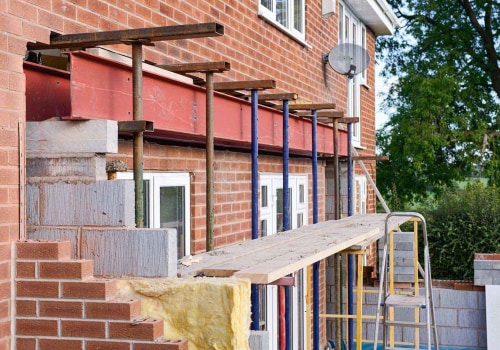
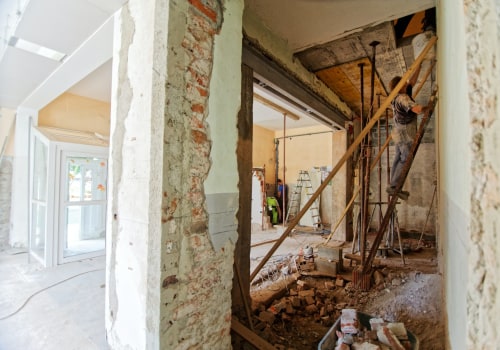
Structural Changes: If your extension requires alterations to existing structures, such as removing load-bearing walls, you’ll need to hire a structural engineer.
This can add significant costs for both the engineering services and any additional materials required for reinforcement.
- Utilities Relocation: Extending your home may necessitate relocating existing utilities like plumbing, electrical wiring, or gas lines. This process can be complex and costly, especially if it involves extensive work or compliance with safety regulations.
- Unexpected Repairs: During the remodeling process, you might uncover issues such as dampness, rot, or outdated wiring that need immediate attention. Addressing these problems can lead to unplanned expenses that can quickly escalate.
- Interior Finishes: While you may have budgeted for the basic structure of your extension, don’t forget about interior finishes like flooring, painting, and fixtures. These elements can add up quickly and should be factored into your overall budget.
-
Landscaping Costs: After completing an extension, you may need to invest in landscaping to restore or enhance the outdoor space.
This could include planting new trees, laying sod, or installing pathways, all of which can contribute to your overall expenses.
Maximising Value: Tips for Cost-Effective Extensions
When embarking on a single story extension, homeowners often seek ways to enhance their property’s value while keeping expenses manageable. Here are some practical tips to ensure your extension project is both cost-effective and rewarding.-
Prioritise Your Needs: Before diving into the design phase, take time to assess what you truly need from your extension.
Are you looking for additional living space, a home office, or perhaps a larger kitchen? By clearly defining your priorities, you can avoid unnecessary features that inflate costs.
- Choose a Simple Design: While it may be tempting to opt for elaborate architectural designs, simplicity often leads to significant savings. A straightforward layout not only reduces construction costs but also simplifies the planning process and minimises potential complications.
- Utilise Existing Structures: If possible, consider extending into existing spaces such as garages or conservatories. This approach can save on foundation and roofing costs while still providing the extra space you desire.
-
Invest in Energy Efficiency: Incorporating energy-efficient materials and appliances can lead to long-term savings on utility bills. Consider double-glazed windows, proper insulation, and energy-efficient heating systems.
These investments may have higher upfront costs but will pay off over time.
- Shop Around for Materials: Don’t settle for the first quote you receive. Take the time to compare prices from various suppliers for materials like flooring, fixtures, and fittings. Look for sales or discounts that can help reduce overall expenses.
- Consider DIY Options: If you have the skills and time, consider tackling some aspects of the project yourself. Tasks such as painting or landscaping can be done without professional help, allowing you to allocate more of your budget towards essential structural work.
-
Hire Experienced Professionals: While it may seem counterintuitive to spend money on hiring professionals, experienced contractors can help you avoid costly mistakes.
They can provide valuable insights into cost-effective solutions and ensure that your project adheres to local regulations.
Case Studies: Real-Life Examples of Single Story Extensions
When considering a single story extension, it can be incredibly beneficial to look at real-life examples that showcase the diverse possibilities and outcomes of such projects. Below are several case studies from across the UK that highlight successful single story extensions, illustrating different styles, budgets, and design approaches.Case Study 1: Modern Open-Plan Living in London
A family in South London decided to extend their home to create a spacious open-plan kitchen and living area. The project had a budget of £60,000 and was completed within three months.The extension featured large bi-fold doors that opened up to the garden, allowing for an abundance of natural light. The use of sleek, modern materials such as glass and steel not only enhanced the aesthetic appeal but also improved energy efficiency. This extension transformed their cramped living space into a bright and airy environment, perfect for family gatherings.
Case Study 2: Traditional Charm in the Cotswolds
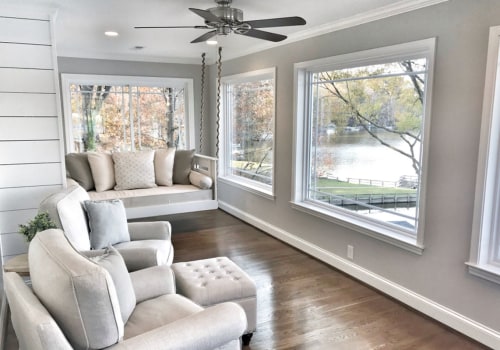
In a quaint village in the Cotswolds, a couple opted for a single story extension to add a sunroom to their traditional stone cottage. With a budget of £45,000, they aimed to maintain the character of their home while enhancing its functionality.The extension featured reclaimed stone and timber beams, seamlessly blending with the existing structure. This project took four months to complete and provided them with a cozy space to enjoy their garden year-round.
Case Study 3: Budget-Friendly Family Room in Manchester
A young family in Manchester sought to create an additional family room without breaking the bank. They managed to complete their single story extension for just £30,000 by opting for a simple design with standard materials. The project included a flat roof with skylights that added height and light to the room.Despite the lower budget, the result was a functional space that met their needs perfectly, demonstrating that effective planning can lead to impressive results even on a tight budget.
Case Study 4: Luxurious Home Office in Bristol
As remote work became more prevalent, one homeowner in Bristol decided to invest in a single story extension to create a dedicated home office space. With a budget of £75,000, they designed an elegant workspace featuring soundproofing and built-in storage solutions. The use of high-quality finishes and large windows not only made the office aesthetically pleasing but also provided an inspiring environment for productivity. This case illustrates how extensions can cater to specific lifestyle changes. These case studies exemplify how single story extensions can vary widely in style and cost while still achieving remarkable results.Whether you are looking for modern elegance or traditional charm, there is ample inspiration available from these successful projects across the UK.
<strong>Conclusion</strong>: Planning Your Single Story Extension Wisely
In conclusion, embarking on a single story extension can be an exciting yet daunting venture for any homeowner. Throughout this article, we have explored the various costs associated with such a remodel, highlighting the importance of meticulous planning and budgeting to ensure a successful outcome. One of the most critical aspects to consider is the overall budget. Understanding the potential expenses involved—from materials and labour to permits and unexpected contingencies—will help you set realistic financial expectations. It is advisable to allocate a portion of your budget for unforeseen costs, as these can arise during construction. Moreover, selecting the right materials can significantly impact your overall expenditure.While it may be tempting to opt for high-end finishes, it is essential to balance quality with affordability. Consider sourcing materials that offer durability without compromising on aesthetics. This approach not only helps in managing costs but also ensures that your extension remains functional and visually appealing. Additionally, hiring experienced professionals can make a substantial difference in the success of your project. Skilled contractors and architects bring invaluable expertise that can help streamline the process, ensuring compliance with local regulations and optimising design efficiency.
Their insights can also prevent costly mistakes that may arise from DIY attempts or inexperienced labour. Finally, remember that a well-planned single story extension not only enhances your living space but also adds value to your home. By taking the time to carefully consider each aspect of your remodel—from initial design concepts to final touches—you can create a space that meets your needs while staying within budget. In summary, thorough planning and informed decision-making are paramount when undertaking a single story extension. By being proactive in your approach, you can achieve a successful remodel that transforms your home into a more functional and enjoyable environment.