single story extension cost
Maximizing Your Home's Potential: A Comprehensive Guide to Single-Storey Extensions and Planning Permissions
Discover how single-storey extensions can enhance your home’s value and living space. Learn about costs and planning permissions.
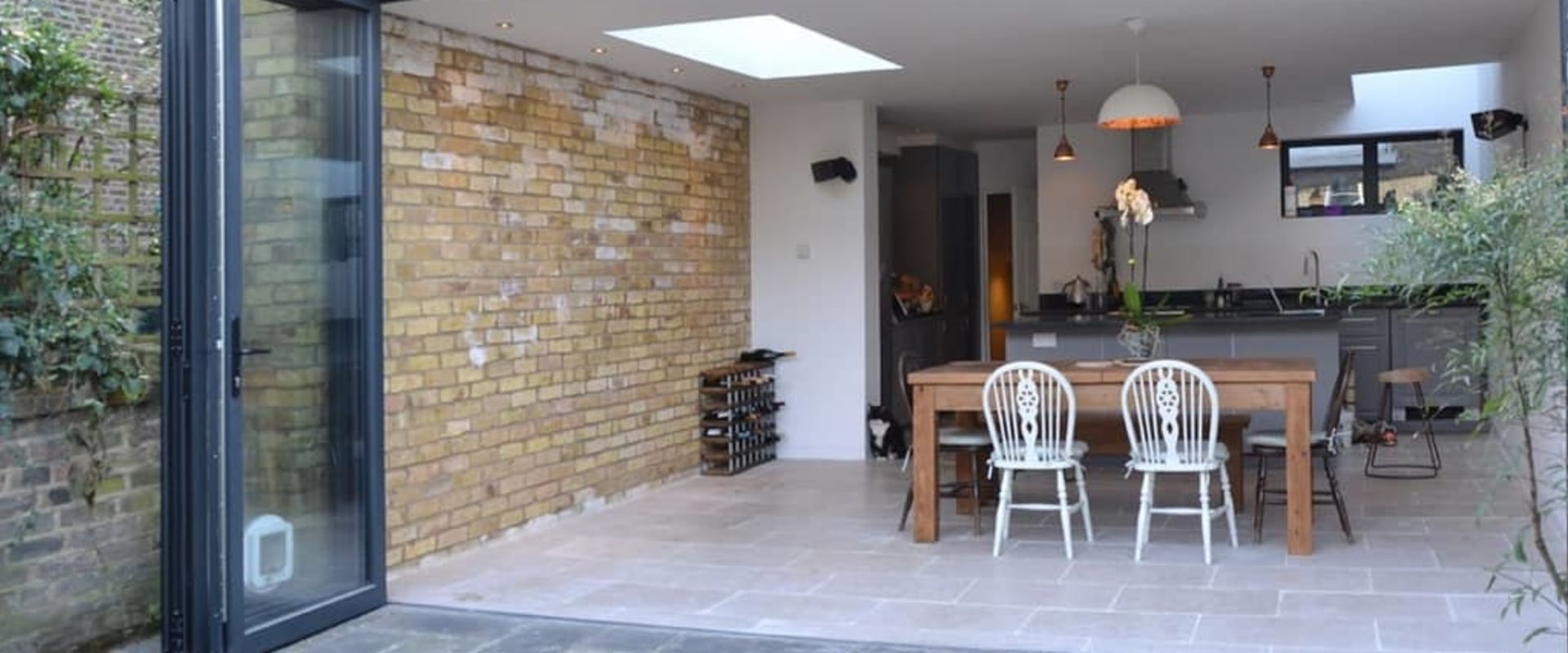
A single-storey extension is a popular choice among homeowners looking to enhance their living space without the complexities of multi-storey builds. These extensions typically involve adding a new room or expanding an existing one on the ground floor, allowing for a seamless integration with the current layout of the home. Whether it’s a spacious kitchen, a cozy living area, or a functional home office, single-storey extensions provide the flexibility to create spaces that cater to your specific needs. The benefits of single-storey extensions extend beyond mere aesthetics. One of the most significant advantages is the potential increase in property value.
By expanding your home’s footprint, you not only gain additional living space but also enhance its market appeal. This can be particularly advantageous in competitive real estate markets where buyers are often looking for homes that offer more than just basic amenities. Furthermore, these extensions can improve the overall functionality of your home, making it more suitable for modern family living. When considering a single-storey extension, it’s essential to factor in the single storey extension cost. Costs can vary widely based on several factors, including the size of the extension, materials used, and any necessary planning permissions.
Understanding these costs upfront can help you budget effectively and avoid unexpected expenses down the line. Additionally, being aware of potential financial implications will enable you to make informed decisions about your renovation project. In summary, single-storey extensions offer a practical solution for homeowners seeking to maximize their property’s potential. With their ability to enhance both living space and property value, they represent an investment worth considering. As we delve deeper into this topic, we will explore the various aspects of planning permissions and how to navigate them effectively.
The Benefits of Single-Storey Extensions
Single-storey extensions offer a multitude of benefits that can significantly enhance your home and lifestyle.One of the most compelling advantages is the increase in living space. Whether you need a larger kitchen, a dedicated playroom for children, or an additional lounge area, a single-storey extension can provide the extra room you require without the need to move to a new property. This added space can be tailored to your specific needs, making it a versatile solution for families and individuals alike. In addition to expanding your living area, single-storey extensions can also boost your property’s value. Real estate experts often note that well-planned extensions can yield a high return on investment.
By increasing the square footage of your home, you not only enhance its functionality but also make it more appealing to potential buyers. A thoughtfully designed extension can set your property apart in a competitive market, making it more attractive and potentially leading to higher offers. Moreover, single-storey extensions improve the overall functionality of your home. They allow for better flow between rooms and can create open-plan living spaces that are highly sought after in modern homes. This design approach not only maximises natural light but also fosters a sense of togetherness among family members.
For instance, combining a kitchen and dining area into one seamless space can transform how you entertain guests and enjoy family meals. Another significant benefit is the potential for energy efficiency improvements. Many homeowners take this opportunity to upgrade insulation, windows, and heating systems during the extension process. This not only reduces energy bills but also contributes to a more sustainable living environment. In summary, single-storey extensions are an excellent way to enhance your home’s potential. They provide additional living space, increase property value, improve functionality, and offer opportunities for energy efficiency upgrades.
For families looking to grow or individuals seeking more comfort in their homes, these extensions represent a practical and valuable investment.
Cost Considerations for Single-Storey Extensions
When considering a single-storey extension, understanding the cost breakdown is crucial for effective budgeting. The overall expense can vary significantly based on several factors, which we will explore in detail.1.Material Costs
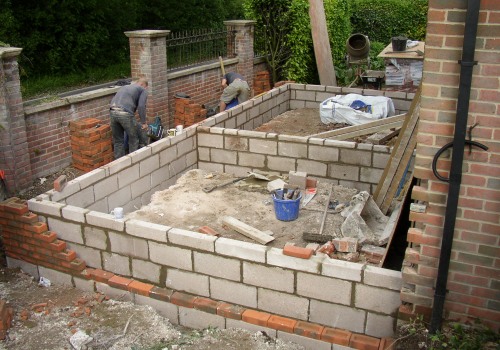
- Brick and Block: Traditional materials like brick and block are often more expensive but provide durability and aesthetic appeal.
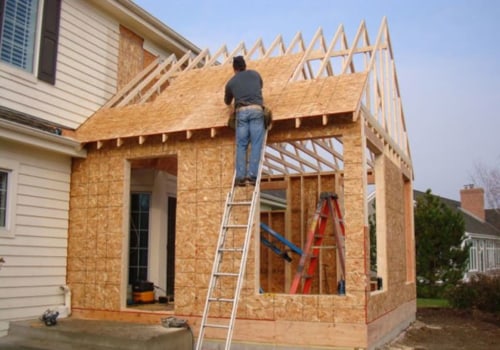
- Timber: A timber frame can be a cost-effective option, especially for modern designs, but may require more maintenance over time.
- Roofing: The choice of roofing material, whether flat or pitched, can also impact costs. Flat roofs may be cheaper initially but could incur higher long-term maintenance costs.
2.Design Complexity
The complexity of the design plays a significant role in determining the single storey extension cost. Simple rectangular extensions are generally less expensive than those with intricate shapes or multiple levels.
Additionally, bespoke designs tailored to specific needs can increase costs due to the additional planning and labour involved.
3.Location
Your geographical location can greatly influence the cost of building an extension. Urban areas typically have higher labour and material costs compared to rural locations. Furthermore, local regulations and planning permissions may add to the overall expense, as some areas require more stringent compliance measures.
4.Labour Costs
The cost of hiring skilled tradespeople is another significant factor. Rates can vary based on experience and demand in your area.
It’s advisable to obtain multiple quotes from contractors to ensure you’re getting a fair price.
5.Additional Costs
- Planning Permissions: Depending on your local council's regulations, you may need to budget for planning application fees.
- Utilities: If your extension requires new plumbing or electrical work, these costs should also be factored into your budget.
- Interior Finishing: Don’t forget to account for interior finishes such as flooring, painting, and fixtures, which can add significantly to the total cost.
Planning Permissions: What You Need to Know
When considering a single-storey extension, understanding the necessary planning permissions is crucial to ensure your project runs smoothly and complies with local regulations. The planning process can seem daunting, but being informed will help you navigate it effectively. In the UK, most single-storey extensions fall under the category of permitted development rights. This means that, in many cases, you may not need to apply for full planning permission if your extension meets specific criteria.However, it’s essential to check with your local council as regulations can vary significantly depending on your location.
Permitted Development Rights
Permitted development rights allow homeowners to extend their properties without the need for a formal planning application, provided certain conditions are met:- The extension must not exceed 4 metres in height.
- The extension should not extend beyond the rear wall of the original house by more than 3 metres (for detached houses) or 2 metres (for other houses).
- The materials used should be similar in appearance to those of the existing property.
- The extension must not cover more than half of the land around the original house.
- If your property is in a conservation area or is listed, different rules may apply, and you will likely need to apply for planning permission.
Applying for Planning Permission
If your proposed single-storey extension does not meet the criteria for permitted development, you will need to submit a planning application. Here are some key steps to follow:- Consult with your local planning authority: Before submitting an application, it’s wise to have an informal discussion with your local council. They can provide guidance on what is likely to be approved.
- Prepare your plans: You will need detailed architectural drawings that show the proposed extension's design and how it fits with your existing home.
- Submit your application: Complete the necessary forms and pay any associated fees. Ensure all required documentation is included to avoid delays.
- Await a decision: The council typically has eight weeks to make a decision on your application.
During this time, they may consult neighbours and other stakeholders.
Navigating the Planning Permission Process
Applying for planning permission can seem daunting, but understanding the process can significantly ease your journey towards a successful application for your single storey extension. Here’s a step-by-step guide to help you navigate the planning permission process effectively.1.Research Local Planning Policies
- Before you begin your application, it’s crucial to familiarize yourself with your local council's planning policies. Each area has specific regulations that dictate what can and cannot be built.
- Visit your local council's website or contact their planning department to access relevant documents and guidelines.
2.Prepare Your Proposal
- Once you understand the local policies, start drafting your proposal.
This should include detailed plans of your proposed extension, including dimensions, materials, and how it will integrate with your existing home.
- Consider hiring an architect or a designer who can help create professional plans that meet all necessary requirements.
3.Submit Your Application
- Your application will typically require a completed form, a site plan, and any additional documents requested by the council. Ensure that all information is accurate and comprehensive to avoid delays.
- Most councils now allow online submissions, which can streamline the process.
4.Pay the Application Fee
- There is usually a fee associated with submitting a planning application. The cost can vary depending on the size and complexity of your project, so check with your local council for specific amounts.
5.Await the Decision
- The council will review your application and may consult with neighbours or other stakeholders. This process can take several weeks, so patience is key.
- You will receive a formal decision letter outlining whether your application has been approved or refused.
Tips for Successful Applications
- Engage with Neighbours: Before submitting your application, discuss your plans with neighbours.
Their support can be invaluable in avoiding objections later on.
- Be Flexible: If you receive feedback from the council or neighbours, be open to making adjustments to your plans to address any concerns.
- Consult Professionals: If you're unsure about any aspect of the process, consider consulting a planning consultant who can provide expert advice tailored to your situation.
Common Challenges and Solutions in Single-Storey Extensions
Building a single-storey extension can be an exciting venture, but it often comes with its own set of challenges. Understanding these potential obstacles and having strategies in place to address them can make the process smoother and more successful.1.Planning Permissions and Regulations
One of the most significant hurdles homeowners face is navigating the planning permissions required for extensions. Each local council has its own regulations, which can vary widely. To overcome this challenge:- Research Local Guidelines: Before starting your project, consult your local council’s website or contact them directly to understand the specific requirements for your area.
- Engage a Professional: Hiring an architect or a planning consultant can help you navigate the complexities of planning permissions, ensuring that your extension complies with all regulations.
2.Budget Overruns
Another common issue is staying within budget.Costs can escalate due to unforeseen circumstances or changes in design. To mitigate this risk:
- Create a Detailed Budget: Outline all potential costs, including materials, labour, and permits. Include a contingency fund of at least 10-15% for unexpected expenses.
- Regular Monitoring: Keep track of your spending throughout the project and adjust as necessary to avoid overspending.
3.Construction Delays
Delays in construction can be frustrating and may lead to additional costs. Common causes include bad weather, supply chain issues, or contractor availability.To reduce the likelihood of delays:
- Plan Ahead: Schedule your project during seasons with milder weather conditions to minimise disruptions.
- Select Reliable Contractors: Research and hire reputable builders with a track record of completing projects on time.
4.Disruption to Daily Life
A single-storey extension can significantly disrupt your home life during construction. To manage this:- Communicate with Your Builder: Establish clear timelines and expectations with your contractor to minimise disruption.
- Create a Temporary Living Space: If possible, set up a designated area in your home where you can retreat from the noise and chaos of construction.
FAQs About Single-Storey Extensions and Costs
When considering a single-storey extension, many homeowners have questions regarding the process, costs, and potential challenges. Below are some of the most frequently asked questions that can help clarify these concerns.What is the average single storey extension cost in the UK?
The cost of a single-storey extension can vary significantly based on several factors, including location, size, and the complexity of the design. On average, homeowners can expect to pay between £1,200 and £2,000 per square metre.This estimate typically includes materials, labour, and basic finishes. However, bespoke designs or high-end materials can push costs higher.
Do I need planning permission for a single-storey extension?
In many cases, single-storey extensions can be built under permitted development rights, meaning you may not need full planning permission. However, this is subject to specific conditions such as height restrictions and proximity to boundaries. It’s advisable to check with your local planning authority to ensure compliance with regulations.What factors influence the cost of a single-storey extension?
- Size: Larger extensions will naturally incur higher costs due to increased materials and labour.
- Design: A simple rectangular extension will generally be less expensive than a complex design with multiple angles or features.
- Materials: The choice of materials can greatly affect the overall cost; for instance, opting for high-quality finishes will increase expenses.
- Location: Costs can vary by region; urban areas often have higher labour and material costs compared to rural locations.
How long does it take to build a single-storey extension?
The construction time for a single-storey extension typically ranges from 8 to 12 weeks.This timeframe can be influenced by factors such as weather conditions, the complexity of the project, and how quickly materials are sourced. Planning and preparation stages may add additional time before construction begins.
Are there any hidden costs associated with single-storey extensions?
Yes, homeowners should be aware of potential hidden costs that may arise during the project. These can include:- Site preparation: Clearing the site or dealing with unexpected ground conditions can add to costs.
- Utilities: Connecting water, electricity, or gas services may incur additional fees.
- Finishing touches: Interior finishes such as flooring, lighting fixtures, and furnishings are often not included in initial estimates.
Conclusion: Making Informed Decisions About Your Extension
In conclusion, embarking on a single-storey extension project is a significant decision that can greatly enhance your home’s functionality and value. Throughout this article, we have explored various aspects of single-storey extensions, including the single story extension cost , planning permissions, and the essential considerations to keep in mind. Understanding the costs associated with a single-storey extension is crucial.These costs can vary widely based on factors such as the size of the extension, materials used, and the complexity of the design. Homeowners should prepare for expenses not only related to construction but also for potential planning fees and professional services. By budgeting appropriately and obtaining multiple quotes from contractors, you can ensure that your project remains financially viable. Equally important is navigating the planning permission process. Familiarising yourself with local regulations and guidelines can save you time and prevent costly mistakes.
In many cases, single-storey extensions may fall under permitted development rights, allowing you to proceed without formal planning permission. However, it is essential to verify this with your local council to avoid any legal complications. As you consider your options, take the time to reflect on how a single-storey extension will meet your needs. Will it provide additional living space for a growing family? Or perhaps create a more functional kitchen or home office? Understanding your motivations will help guide your design choices and ensure that the extension adds genuine value to your home. Finally, engaging with professionals such as architects and builders can provide invaluable insights into the feasibility of your project. They can assist in refining your ideas, ensuring compliance with regulations, and delivering a high-quality finish that meets your expectations. By making informed decisions based on thorough research and expert advice, you can successfully navigate the complexities of extending your home.
A well-planned single-storey extension not only enhances your living space but also contributes positively to your property’s overall value.