single story extension cost
Exploring Affordable Home Additions: Understanding Single Story Extension Costs
Discover affordable home additions and learn about single story extension costs to enhance your living space without breaking the bank.
Home additions have become an increasingly popular solution for homeowners looking to enhance their living space without the need to relocate. Whether you are welcoming a new family member, seeking a dedicated workspace, or simply desiring more room for leisure activities, the right home extension can significantly improve your quality of life. Understanding the various types of home additions available is crucial in making an informed decision that aligns with your needs and budget. There are several types of home extensions, each offering unique benefits and varying costs. From single story extensions that seamlessly blend with your existing structure to more elaborate multi-storey builds, the options are vast.
A single story extension is particularly appealing for those who want to expand their home without the complexities and expenses associated with building upwards. This type of addition not only provides extra space but also enhances the overall aesthetic of your property. The benefits of home additions extend beyond mere space enhancement. They can significantly increase the value of your property, making it a wise investment in the long run. Additionally, a well-planned extension can improve energy efficiency and create a more functional layout tailored to your lifestyle.
As you consider the possibilities, it’s essential to weigh the costs against the potential advantages, ensuring that your choice aligns with both your financial situation and your long-term goals.
What is a Single Story Extension?
A single story extension is a popular home improvement option that involves adding a new room or space to a property without increasing its height. This type of extension is typically built on the ground floor and can serve various purposes, from expanding living areas to creating additional bedrooms or utility spaces. Understanding the different forms of single story extensions and their benefits can help homeowners make informed decisions regarding their renovation projects.Types of Single Story Extensions
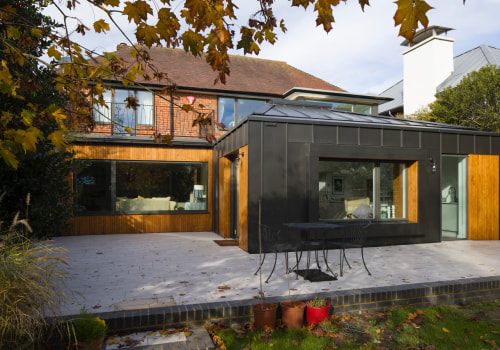
- Rear Extensions: These are built at the back of the house and are ideal for creating larger kitchens or open-plan living spaces. They often feature large windows or bi-fold doors that enhance natural light and provide a seamless connection to the garden.
- Side Extensions: Constructed alongside the existing structure, side extensions can significantly increase the width of a home.
They are particularly useful in narrow properties where rear extensions may not be feasible.
- Wrap-Around Extensions: Combining both rear and side extensions, wrap-around designs create a more extensive living area. This type is perfect for homeowners looking to maximise space while maintaining an attractive exterior.
- Porch Extensions: A simpler form of single story extension, porches add a welcoming entrance to the home. They can also provide additional storage space for shoes and coats.
Benefits of Single Story Extensions
Single story extensions offer numerous advantages that make them an appealing choice for many homeowners:- Cost-Effectiveness: Generally, single story extensions are more affordable than multi-storey additions due to lower construction costs and fewer structural complexities.
- Less Disruption: As these extensions do not involve significant alterations to the existing structure's height, they often result in less disruption during the building process.
- Increased Property Value: Adding extra space can enhance the overall value of your home, making it more attractive to potential buyers in the future.
- Improved Living Space: Whether you need a larger kitchen, an extra bedroom, or a dedicated office space, single story extensions can be tailored to meet your specific needs.
Factors Influencing Single Story Extension Costs
When considering a single story extension, it’s essential to understand the various factors that can significantly influence the overall cost.By breaking down these elements, homeowners can better prepare their budgets and make informed decisions.
1.Materials
The choice of materials is one of the most significant factors affecting the cost of a single story extension. High-quality materials such as brick, stone, or timber can enhance the aesthetic appeal and durability of the extension but may also increase costs. Conversely, opting for more affordable materials like concrete blocks or composite materials can help keep expenses down. Additionally, consider the cost of insulation and roofing materials, as these can vary widely in price.2.Labour Costs
Labour costs can fluctuate based on several factors, including the region where you live and the complexity of the project.In urban areas, labour tends to be more expensive due to higher demand and living costs. Furthermore, if your extension requires specialised skills—such as electrical or plumbing work—this can add to the overall labour expenses. It’s advisable to obtain multiple quotes from contractors to ensure you’re getting a fair price.
3.Design Complexity
The complexity of your design will also play a crucial role in determining costs. A straightforward extension with a simple rectangular shape will generally be less expensive than a more intricate design featuring multiple angles or levels.Custom features such as skylights, large windows, or open-plan layouts can enhance functionality and aesthetics but will also increase both material and labour costs.
4.Location
Your home’s location can impact costs in various ways. For instance, if your property is situated in an area with strict planning regulations or building codes, you may incur additional expenses for permits and compliance measures. Additionally, accessibility can affect labour costs; if your site is difficult to reach or requires special equipment for construction, this may lead to higher charges.5.Additional Considerations
- Planning Permission: Depending on your local regulations, you may need to apply for planning permission, which can involve fees and additional time.
- Utilities: If your extension requires new plumbing or electrical work, factor in these costs as well.
- Finishing Touches: Don’t forget to budget for interior finishes such as flooring, painting, and fixtures that can add up quickly.
Affordable Types of Home Additions
When considering home additions, affordability is often a primary concern for homeowners. While single story extensions are a popular choice, there are several other types of affordable home additions that can enhance your living space without breaking the bank.Here are some cost-effective options to consider:
- Loft Conversions: Transforming your loft into a usable space can be one of the most economical ways to add square footage to your home. This type of addition typically requires less structural work than building outwards and can provide an extra bedroom or office.
- Garden Rooms: A garden room or shed conversion can serve as a versatile space for hobbies, home offices, or guest accommodation. These structures often require minimal planning permission and can be built quickly, making them a budget-friendly option.
- Porches: Adding a porch not only enhances the curb appeal of your home but also provides additional storage and a welcoming entrance. This type of addition is generally less expensive than larger extensions and can be completed in a shorter timeframe.
- Sunrooms: A sunroom allows you to enjoy natural light and outdoor views while being sheltered from the elements.
These rooms can be constructed with large windows and glass doors, creating a seamless transition between indoor and outdoor spaces.
- Basement Conversions: If you have an underutilised basement, converting it into a living area can significantly increase your home's value. This option often involves less construction work compared to building an extension and can be tailored to suit various needs, such as a playroom or additional living space.
Cost Comparison: Single Story Extensions vs.
Other Additions When considering home additions, understanding the cost comparison between different types is crucial for homeowners looking to enhance their living space without breaking the bank. Among the various options available, single story extensions often emerge as a more budget-friendly choice compared to their two-story counterparts and other types of additions. One of the primary reasons for this cost disparity is the complexity involved in constructing a two-story extension. Not only do these projects require more materials, but they also demand additional structural support and potentially more extensive planning permissions. In contrast, a single story extension typically involves simpler construction techniques, which can significantly reduce both labour and material costs. To illustrate this point, let’s break down some average costs:
- Single Story Extension: The average cost ranges from £1,200 to £2,000 per square metre.
This price can vary based on factors such as location, design complexity, and finishes.
- Two Story Extension: Costs can escalate to between £1,500 and £2,500 per square metre due to the increased structural requirements and potential need for additional planning permissions.
- Loft Conversions: These can also be expensive, averaging around £1,500 to £2,500 per square metre, depending on the existing structure and the extent of the conversion.
This efficiency can lead to reduced utility bills over time, making them an even more attractive option for budget-conscious homeowners. Ultimately, when weighing your options for home improvements, it’s essential to consider not just the upfront costs but also the long-term implications of your investment. A single story extension not only offers a more affordable entry point into home expansion but also aligns well with many homeowners' needs for practicality and functionality.
Planning Your Single Story Extension: Key Considerations
When considering a single story extension, careful planning is crucial to ensure that the project meets your needs while adhering to local regulations. Here are some key considerations to keep in mind:Design Considerations
The design of your extension should complement the existing structure of your home. Here are some factors to consider:- Architectural Style: Ensure that the extension matches the architectural style of your home.
This can involve using similar materials, colours, and design elements.
- Functionality: Think about how you intend to use the new space. Whether it’s a kitchen, living area, or additional bedroom, the layout should facilitate its intended purpose.
- Natural Light: Incorporate large windows or skylights to enhance natural light within the extension. This not only improves aesthetics but also creates a more inviting atmosphere.
- Outdoor Integration: Consider how the extension will connect with your garden or outdoor space. Bi-fold doors can create a seamless transition between indoor and outdoor areas.
Planning Permission Requirements
Before commencing any construction, it’s essential to understand the planning permission requirements in your area.Here are some important points:
- Permitted Development Rights: In many cases, single story extensions fall under permitted development rights, meaning you may not need full planning permission. However, this is subject to specific conditions and limitations.
- Local Authority Regulations: Always check with your local council for specific regulations that may apply to your property. This includes height restrictions, distance from boundaries, and overall size limitations.
- Impact on Neighbours: Consider how your extension might affect neighbouring properties. If it significantly impacts their light or privacy, you may need to apply for planning permission.
- Building Regulations: Regardless of planning permission, all extensions must comply with building regulations concerning safety, energy efficiency, and structural integrity.
Financing Your Home Addition: Budgeting Tips
Financing a home addition can seem overwhelming, but with careful planning and budgeting, it can be a manageable process.Understanding the single story extension cost is crucial, as it allows you to set realistic financial expectations. Here are some practical tips to help you navigate the financing of your home addition.
Establish a Clear Budget
The first step in financing your home addition is to establish a clear budget. Begin by determining how much you can afford to spend without compromising your financial stability. Consider the following:- Assess Your Current Finances: Review your income, savings, and existing debts to understand your financial position.
- Estimate Costs: Research the average costs associated with single story extensions in your area.
This includes materials, labour, permits, and any unexpected expenses.
- Set a Contingency Fund: It’s wise to allocate an additional 10-20% of your budget for unforeseen costs that may arise during construction.
Explore Financing Options
Once you have a budget in place, explore various financing options that can help fund your home addition:- Home Equity Loan: If you have built up equity in your home, a home equity loan can provide a lump sum at a lower interest rate compared to personal loans.
- Remortgaging: Consider remortgaging your property to release equity. This option may offer better interest rates and terms.
- Personal Loans: For smaller projects, personal loans can be a quick way to secure funds without using your home as collateral.
- Government Grants and Schemes: Research local government initiatives that may offer financial assistance or grants for home improvements.
Cost-Saving Tips
To keep costs down while ensuring quality work, consider these cost-saving tips:- Plan Ahead: Detailed planning can prevent costly changes during construction. Ensure all designs and materials are finalised before work begins.
- DIY Where Possible: If you have the skills, consider taking on some of the work yourself, such as painting or landscaping.
- Hire Local Contractors: Local builders may offer competitive rates compared to larger firms. Always get multiple quotes before making a decision.
Remember that careful planning not only helps in financing but also ensures that your new space meets your needs and enhances the value of your home.
Frequently Asked Questions About Single Story Extensions
When considering a single story extension, homeowners often have numerous questions regarding the process, costs, and potential benefits. Below are some of the most frequently asked questions that can help clarify your doubts.What is the average cost of a single story extension?
The single story extension cost can vary significantly based on several factors, including location, size, and the complexity of the design. On average, homeowners can expect to pay between £1,200 and £2,000 per square metre. This estimate typically includes materials, labour, and basic finishes.However, bespoke designs or high-end materials can increase this cost.
How long does it take to build a single story extension?
The duration of a single story extension project can range from 8 to 12 weeks, depending on the size and complexity of the build. Factors such as planning permission, weather conditions, and contractor availability can also influence the timeline. It’s essential to discuss timelines with your builder to set realistic expectations.Do I need planning permission for a single story extension?
In many cases, single story extensions fall under permitted development rights, meaning you may not need formal planning permission if you adhere to specific guidelines. However, if your extension exceeds certain dimensions or affects the appearance of your home significantly, you will likely need to apply for planning permission.Always check with your local council for regulations specific to your area.
What are the benefits of a single story extension?
- Increased Space: A single story extension provides additional living space without the need for stairs.
- Enhanced Property Value: Well-planned extensions can significantly increase your home’s market value.
- Improved Lifestyle: More space allows for better functionality in your home, whether it’s for a larger kitchen or an extra living area.
Are there any drawbacks to consider?
While there are many advantages to adding a single story extension, there are also potential drawbacks. These may include:- Cost Overruns: Unexpected expenses can arise during construction.
- Disruption: The building process can be noisy and disruptive to your daily life.
- Aesthetic Impact: Depending on design choices, an extension may alter the character of your home.
Conclusion: Making Informed Decisions on Home Additions
In conclusion, embarking on a home addition project is a significant decision that requires careful consideration and planning. Understanding the single story extension cost is crucial, as it can vary widely based on several factors, including the size of the extension, the materials used, and the complexity of the design. By being informed about these elements, homeowners can make choices that align with their budget and needs. Throughout this article, we have explored various types of affordable home additions, highlighting their benefits and potential costs.From simple single-storey extensions to more elaborate conservatories, each option presents unique advantages that can enhance your living space without breaking the bank. It’s essential to weigh these options against your specific requirements and long-term goals for your home. Moreover, engaging with professionals such as architects and builders can provide invaluable insights into the feasibility of your plans. They can help you navigate local regulations and ensure that your project adheres to building codes, which can save you from costly mistakes down the line. Additionally, obtaining multiple quotes will give you a clearer picture of the single story extension cost and help you identify the best value for your investment. As you consider your options, remember to factor in not just the immediate costs but also the long-term benefits of adding space to your home.
A well-planned addition can significantly increase your property’s value and improve your quality of life. Therefore, take the time to research thoroughly, consult with experts, and reflect on how each type of addition aligns with your lifestyle. Ultimately, making informed decisions about home additions will empower you to create a space that meets your needs while remaining within your financial means. With careful planning and consideration, you can transform your home into a more functional and enjoyable environment for years to come.