single story extension cost
Understanding the Average Cost of a Single Storey Extension in the UK
Discover the average costs and factors influencing single storey extension prices in the UK. Plan your budget effectively for your home improvement.
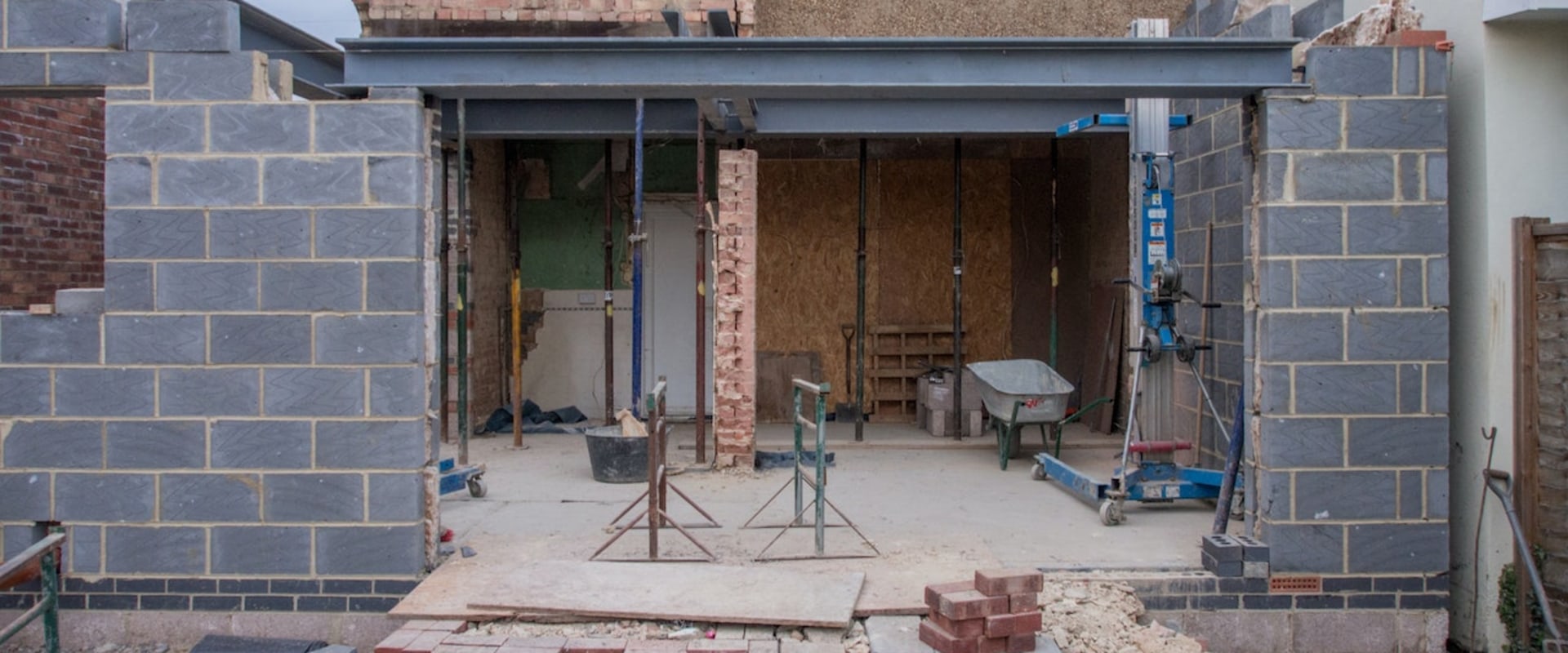
In recent years, single storey extensions have gained immense popularity among homeowners in the UK. These extensions offer a practical solution for those looking to enhance their living space without the complexities and costs associated with multi-storey builds. Whether it’s to create a larger kitchen, a home office, or simply to add more room for family gatherings, the appeal of a single storey extension lies in its ability to seamlessly blend with the existing structure while providing significant functional benefits. One of the primary reasons homeowners consider a single storey extension is the potential for increased property value. According to various studies, adding such an extension can boost your home’s market value by as much as 20%.
This makes it not only a wise investment but also an attractive option for those looking to improve their living conditions without moving to a new property. Additionally, single storey extensions often require less planning permission than larger projects, making them a more straightforward choice for many. However, understanding the single story extension cost is crucial before embarking on this journey. The average cost of a single storey extension can vary significantly based on several factors, including location, size, and the quality of materials used. Homeowners must also consider additional expenses such as architectural fees, planning permissions, and interior finishing costs.
By being informed about these aspects, you can better prepare your budget and ensure that your project aligns with your financial expectations. In summary, single storey extensions present an excellent opportunity for homeowners seeking to expand their living space while enhancing their property’s value. As we delve deeper into the specifics of average costs and factors influencing these expenses, it becomes clear that careful planning and consideration are essential for a successful extension project.
Factors Influencing Single Storey Extension Costs
When considering a single storey extension, it is essential to understand the various factors that can significantly influence the overall cost. Each project is unique, and the final price can vary widely based on several key elements.- Size of the Extension: The most obvious factor affecting the cost is the size of the extension. Generally, costs are calculated on a per square metre basis.
A larger extension will naturally incur higher costs due to increased materials and labour requirements. For instance, a modest extension of 15 square metres will be less expensive than a more substantial 30 square metre addition.
- Materials Used: The choice of materials plays a crucial role in determining the overall cost. High-quality materials such as natural stone or premium timber will increase expenses compared to standard brick or concrete. Additionally, if you opt for energy-efficient windows or sustainable building materials, these can also add to the initial outlay but may save money in the long run through reduced energy bills.
- Location: The geographical location of your property can greatly impact costs.
Urban areas often have higher labour rates and material costs compared to rural locations. Furthermore, local regulations and planning permissions can vary, potentially adding to the expense if additional approvals are required.
- Design Complexity: The complexity of the design is another significant factor. A straightforward rectangular extension will typically be less expensive than one with intricate architectural features, such as vaulted ceilings or bespoke window designs. Custom designs often require more skilled labour and time, which can drive up costs.
- Labour Costs: The cost of hiring builders and contractors can vary based on their experience and reputation.
While it may be tempting to choose the cheapest option, investing in skilled professionals can lead to better quality work and fewer issues down the line.
- Additional Features: Any additional features you wish to include, such as skylights, bi-fold doors, or integrated technology systems, will also contribute to the overall cost. These enhancements not only improve aesthetics but can also increase functionality and energy efficiency.
Average Costs of Single Storey Extensions in the UK
When considering a single storey extension, understanding the average costs involved is crucial for effective budgeting. In the UK, the price per square meter for a single storey extension can vary significantly based on several factors, including location, design complexity, and the quality of materials used. On average, homeowners can expect to pay between £1,250 and £1,800 per square meter for a basic single storey extension.This range typically covers standard construction methods and materials. However, if you opt for higher-end finishes or work with top-tier contractors, costs can escalate to between £2,600 and £4,000 per square meter. These figures highlight the importance of defining your budget and expectations before commencing any work. In addition to the base construction costs, there are other expenses to consider:
- Architectural Fees: Hiring an architect or designer can add anywhere from £1,000 to £3,000 to your overall budget, depending on the complexity of your design.
- Planning Permission: Obtaining planning permission is often necessary and can cost around £206 , although this may vary by local council.
- Interior Finishing: Once the structure is complete, interior finishing costs (such as flooring, painting, and fixtures) can add another £500 to £1,500 , depending on your choices.
Cost Breakdown: Planning Permission and Legal Fees
When planning a single-storey extension, understanding the costs associated with planning permission and legal fees is crucial for effective budgeting.These expenses can significantly impact the overall financial outlay of your project, so it’s essential to factor them in from the outset.
Planning Permission Costs
In the UK, obtaining planning permission is often a necessary step before commencing any building work. The cost for this can vary widely depending on your local council and the specifics of your project. On average, you can expect to pay around £206 for a standard application. However, if your extension is more complex or requires additional documentation, fees can escalate to £500 or more.
It’s also important to consider that if your application is refused, you may incur further costs if you decide to appeal the decision.
Therefore, engaging with a professional who understands local regulations can help streamline this process and potentially save you money in the long run.
Legal Fees for Extensions
In addition to planning permission costs, you may also need to budget for legal fees. If your extension affects shared boundaries or involves party wall agreements, hiring a solicitor or a surveyor could be necessary. Legal fees can range from £300 to £1,000, depending on the complexity of the agreements required.
Building Regulations Costs
Compliance with building regulations is another critical aspect of your extension project. These regulations ensure that your building work meets safety and quality standards.
The cost for building regulation approval typically ranges from £200 to £500, depending on the size and scope of your extension.
Additionally, you may need to hire an inspector to assess the work at various stages of construction, which could incur further costs. It’s advisable to consult with your builder or architect about these requirements early in the planning process.
Conclusion
In summary, while the initial costs of a single-storey extension may seem straightforward, it’s vital to account for planning permission and legal fees as part of your overall budget. By doing so, you can avoid unexpected financial burdens and ensure a smoother construction process.
Construction Costs: What to Expect
When planning a single storey extension, understanding the construction costs is crucial for effective budgeting. The overall expenses can be broken down into several key components, including materials, labour, and additional fees.1.Material Costs
- Foundation and Structure: The foundation is one of the most significant costs in any extension project.
Depending on the soil type and the size of the extension, you can expect to pay between £100 and £200 per square metre for the foundation alone.
- Walls and Roof: The materials used for walls and roofing can vary widely. For instance, brick or block walls may cost around £60 to £100 per square metre, while roofing materials can range from £50 to £150 per square metre depending on the type (tiles, flat roof systems, etc.).
- Windows and Doors: Installing new windows and doors is another significant expense. High-quality double-glazed windows can cost between £300 and £600 each, while patio doors may range from £800 to £2,000 depending on the style and material.
2.Labour Costs
The cost of labour is another critical factor in your budget. On average, labour costs for building a single storey extension can account for 40% to 60% of the total construction costs.
Here’s a breakdown:
- General Labour: Skilled tradespeople such as bricklayers, carpenters, and electricians typically charge between £150 and £250 per day.
- Project Management: Hiring a project manager can help streamline the process but will add to your costs. Expect to pay around 10% of your total build cost for their services.
3.Additional Costs
Beyond materials and labour, there are other expenses to consider:
- Planning Permission: Obtaining planning permission can cost around £206 in England, but this may vary based on your local council.
- Interior Finishing: Once the structure is complete, interior finishing such as flooring, painting, and fixtures can add another £1,000 to £5,000 depending on your choices.
Interior Finishing Costs: Beyond Construction
When planning a single-storey extension, many homeowners focus primarily on the structural costs, often overlooking the significant expenses associated with interior finishing. These costs can dramatically influence the overall budget and should be carefully considered to avoid financial surprises later in the project.Flooring Costs
The choice of flooring can greatly affect both the aesthetic appeal and functionality of your new space.
Options range from budget-friendly laminate to luxurious hardwood or natural stone. On average, you might expect to pay:
- Laminate: £10 - £30 per square metre
- Carpet: £15 - £50 per square metre
- Engineered Wood: £30 - £70 per square metre
- Natural Stone: £50 - £100 per square metre
Painting and Decorating Expenses
A fresh coat of paint can transform your extension, but it’s essential to budget for this aspect as well. The cost of painting typically ranges from £1.50 to £3.50 per square metre, depending on the quality of paint and whether you choose to hire professionals or do it yourself. Wallpapering can add an extra layer of expense, with costs ranging from £10 to £30 per roll, depending on the design and material.
Fixtures and Fittings
The selection of fixtures and fittings is another area where costs can escalate quickly.
This includes:
- Lighting: Expect to spend between £20 and £200 per fixture, depending on style and brand.
- Electrical Outlets: Installation costs for additional outlets can range from £100 to £200 each.
- Heating Solutions: Radiators or underfloor heating systems can add anywhere from £500 to over £2,000 to your budget.
Financing Options for Your Single Storey Extension
When considering a single storey extension, financing options play a crucial role in determining how homeowners can fund their projects. Understanding the various avenues available can help you make informed decisions that align with your financial situation.Home Improvement Loans
One of the most popular financing options for extensions is a home improvement loan. These loans are specifically designed for homeowners looking to enhance their properties.
They typically offer:
- Fixed or variable interest rates: Depending on your credit score and financial history, you may qualify for competitive rates.
- Flexible repayment terms: Many lenders provide options ranging from 5 to 15 years, allowing you to choose a plan that fits your budget.
- No equity required: Unlike traditional mortgages, some home improvement loans do not require you to have significant equity in your home.
Mortgage Options for Renovations
If you’re considering a more extensive renovation or if your extension is part of a larger project, you might explore mortgage options tailored for renovations. These include:
- Remortgaging: This involves switching your existing mortgage to a new deal that allows you to borrow additional funds for your extension. It can be an effective way to access lower interest rates while funding your project.
- Equity release: If you have built up equity in your home, equity release schemes allow you to borrow against this value. This can provide substantial funds for your extension without the need for monthly repayments until you sell or move out.
Government Grants and Schemes
In some cases, homeowners may also be eligible for government grants or schemes aimed at improving energy efficiency or enhancing living spaces.
Researching local initiatives can uncover potential funding opportunities that may reduce overall costs. Ultimately, when planning your single storey extension, it’s essential to assess all available financing options carefully. Consulting with a financial advisor can provide tailored advice based on your specific circumstances, ensuring that you choose the best path forward for your home improvement project.
Maximising Value: Return on Investment from Extensions
Investing in a single storey extension can significantly enhance the value of your property, making it a strategic choice for homeowners looking to increase their return on investment (ROI). According to various studies, a well-executed extension can add as much as 20% to the overall value of your home. This increase is particularly notable in areas where space is at a premium, as buyers are often willing to pay a premium for additional living space. When considering the ROI from a single storey extension, it’s essential to factor in not just the initial costs but also the long-term benefits.A report by Homebuilding & Renovating indicates that homeowners can expect to recoup around 70% to 80% of their investment when selling their property after an extension. This statistic highlights the importance of planning and executing the project with care, ensuring that the extension meets both aesthetic and functional needs. To maximise the value added by your extension, consider the following:
- Design and Functionality: A well-designed space that complements the existing structure can attract potential buyers. Open-plan layouts and modern finishes are particularly appealing.
- Location: The impact of an extension on property value can vary significantly based on location. In desirable neighbourhoods, even modest extensions can yield substantial returns.
- Quality of Workmanship: Engaging reputable builders and architects ensures that the work is completed to a high standard, which is crucial for maintaining property value.
- Market Trends: Staying informed about local real estate trends can help you make informed decisions about your extension project.
In some markets, extensions are highly sought after, while in others, they may not yield as high a return.
Common Mistakes to Avoid When Planning Your Extension
When planning a single-storey extension, homeowners often encounter various pitfalls that can lead to increased costs, delays, and dissatisfaction with the final result. By being aware of these common mistakes, you can navigate the process more smoothly and achieve a successful outcome.- Neglecting to Set a Realistic Budget: One of the most significant errors is failing to establish a comprehensive budget. Many homeowners underestimate the total costs involved, which can include not only construction but also planning fees, interior finishes, and landscaping.
It’s essential to account for all potential expenses and include a contingency fund of around 10-15% for unexpected costs.
- Overlooking Planning Permissions: Before commencing any work, it’s crucial to check whether you need planning permission for your extension. Many homeowners assume that minor extensions do not require approval, leading to potential legal issues and costly alterations later on. Always consult your local council or a planning expert to ensure compliance with regulations.
- Ignoring the Importance of Design: A well-thought-out design is vital for both functionality and aesthetics. Homeowners often rush this stage or opt for generic designs without considering how the extension will integrate with the existing structure.
Engaging an architect or designer can help create a cohesive look that enhances your home’s value.
- Choosing the Wrong Contractor: Selecting a reputable builder is critical. Homeowners sometimes go for the cheapest option without checking references or previous work. This can lead to subpar workmanship and additional costs down the line. Always conduct thorough research, read reviews, and ask for recommendations before making your choice.
- Failing to Communicate Effectively: Clear communication with your contractor is essential throughout the project.
Many misunderstandings arise from vague instructions or assumptions about what is included in the scope of work. Regular updates and open dialogue can help prevent issues and ensure that your vision is realised.
FAQs About Single Storey Extension Costs
When considering a single storey extension, many homeowners have questions regarding the associated costs and processes. Below are some frequently asked questions that can help clarify these concerns.- What is the average cost per square meter for a single storey extension?
The cost of a single storey extension can vary significantly based on various factors, including location, materials, and design complexity.On average, homeowners can expect to pay between £1,250 and £1,800 per square meter for a basic extension. For those looking for higher quality finishes and more intricate designs, costs can rise to between £2,600 and £4,000 per square meter. It's essential to obtain detailed quotes from multiple builders to ensure you have a comprehensive understanding of the potential costs involved.
- How long does it take to build a single storey extension?
The timeline for constructing a single storey extension can vary based on the project's size and complexity. Generally, the construction phase can take anywhere from 8 to 12 weeks.However, this does not include the time required for planning permission and design work, which can add several weeks or even months to the overall timeline. Engaging with a reputable builder early in the process can help provide a more accurate estimate of the total time required.
- Do I need planning permission for a single storey extension?
In most cases, you will need to obtain planning permission before proceeding with a single storey extension. However, certain extensions may fall under permitted development rights, allowing you to build without formal approval. It is crucial to check with your local council to understand the specific regulations that apply to your property.Engaging an architect or planning consultant can also help navigate these requirements effectively.
<strong>Conclusion</strong>
In conclusion, understanding the single story extension cost is crucial for homeowners considering this type of renovation. The financial implications can vary significantly based on a multitude of factors, including location, design complexity, and the quality of materials used. On average, homeowners can expect to pay between £1,250 and £4,000 per square meter , depending on whether they opt for budget or high-end finishes. It is essential to factor in additional costs that may arise during the planning and construction phases. For instance, obtaining planning permission can add to your expenses, with fees typically around £206 in England.Furthermore, architectural and design fees should not be overlooked, as they can contribute significantly to the overall budget. When budgeting for a single-storey extension, it is advisable to work closely with a reputable builder who can provide a detailed breakdown of all potential costs. This collaboration will help ensure that you remain within your financial limits while achieving the desired outcome for your home. Moreover, consider the long-term benefits of investing in a single-storey extension. Not only does it enhance your living space, but it can also increase your property’s value by up to 20%. This potential return on investment makes it a worthwhile consideration for many homeowners. Ultimately, careful planning and thorough research are key to successfully navigating the complexities of a single-storey extension project.
By being informed about the various costs involved and seeking professional advice, you can make sound decisions that align with your budget and vision for your home.