single story extension cost
Maximizing Home Value: The Expert's Guide to Renovations and Single Story Extension Costs
Discover how to maximize your home's value with strategic renovations, including insights on single story extension costs and benefits.
Understanding the intricacies of home value is essential for any homeowner looking to enhance their property. Home value is not merely a reflection of the physical structure; it encompasses various factors, including location, market trends, and the overall condition of the property. One of the most effective ways to influence this value is through strategic renovations. These improvements can significantly elevate a home's appeal and functionality, making it more attractive to potential buyers. When considering renovations, it’s crucial to identify which projects will yield the highest return on investment.
Not all renovations are created equal; some can dramatically increase your home’s worth, while others may not provide the same financial benefits. For instance, adding extra living space through extensions or converting underutilised areas can lead to substantial increases in property value. Homeowners should also consider the cost associated with these renovations, as understanding the financial implications is key to making informed decisions. Moreover, the impact of renovations extends beyond immediate financial gains. A well-planned renovation can enhance your living experience, making your home more comfortable and functional for your family.
This dual benefit—improving both personal satisfaction and property value—makes renovations a worthwhile consideration for any homeowner. As we delve deeper into specific types of renovations and their associated costs, it becomes clear that informed choices can lead to maximising your home’s potential.
The Importance of Strategic Renovations
When it comes to enhancing the value of your home, approaching renovations with a strategic mindset is crucial. Homeowners often find themselves overwhelmed by the myriad of options available, from simple cosmetic updates to extensive structural changes. However, understanding the return on investment (ROI) associated with various renovations can help you make informed decisions that not only improve your living space but also significantly boost your property’s market value. One of the first steps in planning any renovation is to assess which improvements will yield the highest returns.For instance, while a lavish kitchen remodel may seem appealing, it’s essential to consider whether such an investment aligns with the expectations of potential buyers in your area. In many cases, more modest updates—such as replacing outdated fixtures or refreshing cabinetry—can provide a better ROI without the hefty price tag.
Strategic renovations
should focus on enhancing functionality and appeal. Here are some key considerations:
- Market Trends: Research local real estate trends to identify which features are currently in demand. For example, open-plan living spaces and energy-efficient appliances are often sought after by buyers.
- Cost vs.
Value:
Utilize resources like the Cost vs. Value report, which provides insights into the average costs of various renovations and their corresponding returns. This can guide you in prioritising projects that offer the best financial outcomes. - Target Audience: Consider who your potential buyers might be. Families may prioritise additional bedrooms or outdoor space, while young professionals might value modern kitchens and home offices.
Simple landscaping improvements or a fresh coat of paint on the front door can make a substantial difference without breaking the bank. Ultimately, strategic renovations are about making smart choices that align with both your personal needs and market demands. By focusing on improvements that offer tangible benefits and understanding their potential ROI, you can ensure that your renovation efforts translate into increased home value and a more enjoyable living environment.
Single Story Extensions: An Overview
Single story extensions are an increasingly popular choice for homeowners looking to enhance their living space without the complexities and costs associated with multi-storey builds. These extensions offer a practical solution for those who wish to expand their home while maintaining a cohesive aesthetic and functionality.Understanding the Cost of Single Story Extensions
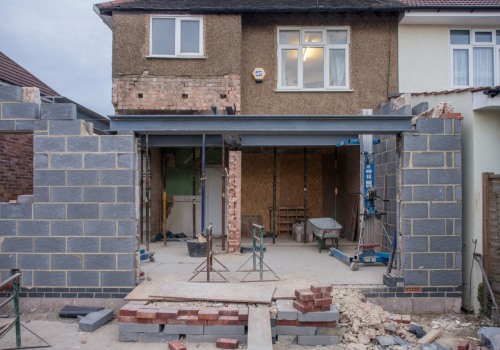
The cost of a single story extension can vary significantly based on several factors, including location, size, materials, and the complexity of the design. On average, homeowners can expect to pay between £1,200 and £2,000 per square metre.
This means that a modest extension of around 20 square metres could cost anywhere from £24,000 to £40,000. However, it is essential to consider additional expenses such as planning permissions, architectural fees, and potential landscaping costs.
Benefits of Single Story Extensions
- Increased Living Space: One of the most significant advantages is the additional space it provides. Whether you need a larger kitchen, a family room, or an extra bedroom, single story extensions can be tailored to meet your specific needs.
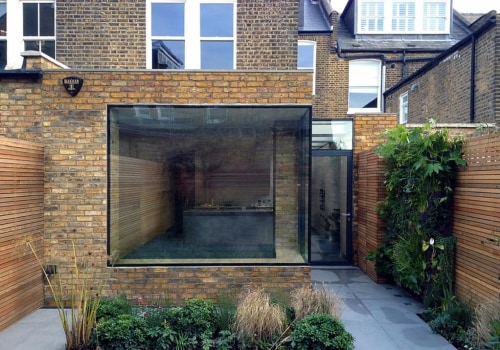
- Enhanced Natural Light: With the right design, these extensions can incorporate large windows or bi-fold doors that flood the new space with natural light, creating a bright and inviting atmosphere.
- Improved Property Value: A well-executed single story extension can significantly increase your home's market value. Potential buyers often appreciate the added space and functionality.
- Cost-Effective: Compared to two-storey extensions, single story builds are generally less expensive and quicker to complete, making them an attractive option for many homeowners.
Creative Ideas for Single Story Extensions
When considering a single story extension, there are numerous design ideas to explore:
- Kitchens: Expanding your kitchen can create a more open-plan living area that is perfect for entertaining.
- Living Rooms: A larger living room can enhance family time and provide a comfortable space for relaxation.
- Home Offices: With remote work becoming more common, adding a dedicated office space can improve productivity while keeping work separate from home life.
- Garden Rooms: These extensions can serve as versatile spaces for hobbies or relaxation while seamlessly connecting indoor and outdoor living.
By understanding the associated costs and exploring creative design ideas, you can make informed decisions that enhance both your home’s functionality and value.
Cost Breakdown of Single Story Extensions
When considering a single story extension, understanding the cost breakdown is crucial for effective budgeting. The overall expense can vary significantly based on several factors, including the size of the extension, the materials used, and the complexity of the design. Below, we will explore the key components that contribute to the total cost of a single story extension.- Materials: The choice of materials plays a significant role in determining costs. Common materials include bricks, timber, and glass.
For instance, opting for high-quality bricks may increase your budget but can enhance durability and aesthetics. On average, material costs can range from £1,000 to £2,500 per square metre.
- Labour: Labour costs can vary depending on your location and the expertise of the contractors you hire. Typically, labour can account for 40-60% of the total project cost. It’s advisable to obtain multiple quotes from reputable builders to ensure competitive pricing.
- Planning Permissions: Before commencing any construction, securing planning permission is essential.
The cost for this can range from £200 to £1,000 depending on your local council's fees. Additionally, if your project requires a structural engineer or architect for design plans, expect to pay between £500 and £2,000 for their services.
- Finishing Touches: Once the structure is complete, you’ll need to consider interior finishes such as flooring, painting, and fixtures. These costs can add an additional £1,000 to £5,000 depending on your choices.
To avoid unexpected expenses, it’s wise to set aside an additional 10-15% of your budget as a contingency fund. By understanding these costs upfront and planning accordingly, homeowners can make informed decisions that align with their financial capabilities while maximising the potential value added by their extension.
Maximising Value with Single Story Extensions
When considering home renovations, single story extensions stand out as a highly effective way to enhance your property's value. These extensions not only provide additional living space but also significantly improve the overall appeal of your home, making it more attractive to potential buyers. According to recent studies, homeowners can expect a return on investment (ROI) of approximately 10% to 15% when adding a single story extension. This figure can vary based on factors such as location, design, and the quality of materials used. For instance, a well-executed extension that seamlessly integrates with the existing structure can yield even higher returns, sometimes exceeding 20% in desirable neighbourhoods. One of the primary advantages of single story extensions is their versatility.Homeowners can choose to create a spacious kitchen, a sunlit conservatory, or an additional bedroom—all of which cater to the needs of modern families. This flexibility allows you to tailor the extension to your lifestyle while also appealing to a broader range of potential buyers. Moreover, single story extensions often require less planning permission compared to larger projects, making them a more straightforward option for many homeowners. This ease of execution can lead to quicker completion times and less disruption in your daily life. When it comes time to sell your home, having a single story extension can be a significant selling point. Properties with additional living space are often perceived as more valuable and functional.
In fact, homes with extensions tend to sell faster than those without, as buyers are increasingly looking for properties that offer flexibility and room for growth. In conclusion, investing in a single story extension is not just about increasing square footage; it’s about enhancing your home’s overall value and appeal. With careful planning and execution, this type of renovation can provide substantial returns and make your property stand out in a competitive market.
Financing Your Renovation: Options and Tips
When it comes to financing your home renovations, understanding the various options available can significantly ease the burden of costs. Homeowners often find themselves at a crossroads, weighing the benefits of different financing methods against their personal financial situations. Here are some effective strategies to consider:- Personal Loans: These unsecured loans can be a quick way to access funds for renovations.
They typically have fixed interest rates and repayment terms, making budgeting easier. However, it’s essential to shop around for the best rates and terms.
- Home Equity Loans: If you have built up equity in your home, a home equity loan allows you to borrow against that value. This option often comes with lower interest rates compared to personal loans, but it does put your home at risk if you fail to repay.
- Home Equity Line of Credit (HELOC): Similar to a home equity loan, a HELOC provides a revolving line of credit based on your home’s equity. This flexibility can be beneficial for ongoing renovation projects, but be cautious of variable interest rates.
- Renovation Mortgages: These are specifically designed for homeowners looking to purchase or refinance a property while including renovation costs in the mortgage.
Programs like the FHA 203(k) loan allow you to finance both the purchase and improvements in one mortgage.
- Create a Detailed Budget: Outline all potential costs associated with your renovation project, including materials, labour, permits, and unexpected expenses. This will give you a clearer picture of how much you need to borrow.
- Prioritise Your Renovations: Not all renovations will add equal value or appeal. Focus on projects that will provide the best return on investment and enhance your home's functionality.
- Set Aside a Contingency Fund: It’s wise to allocate an additional 10-20% of your budget for unforeseen expenses that may arise during the renovation process.
- Track Your Spending: Keep meticulous records of all expenditures related to your renovation.
This will help you stay within budget and make adjustments as necessary.
Common Mistakes to Avoid in Home Renovations
Embarking on a home renovation project can be an exciting yet daunting task. While the potential for enhancing your living space and increasing your property’s value is significant, many homeowners fall into common traps that can lead to costly mistakes. Understanding these pitfalls is essential for a successful renovation.1.Lack of Planning
One of the most prevalent mistakes is diving into renovations without a comprehensive plan.
A well-thought-out strategy should include:
- Defining your goals: What do you want to achieve with this renovation?
- Setting a realistic budget: Consider all costs, including materials, labour, and unexpected expenses.
- Creating a timeline: Establish when you want the project completed and factor in potential delays.
2.Ignoring Professional Advice
Many homeowners underestimate the value of consulting with professionals. Whether it’s an architect, contractor, or interior designer, their expertise can help you avoid costly errors. They can provide insights on:
- Building regulations and permits
- Design efficiency and functionality
- Quality materials that fit your budget
3.Overextending Your Budget
It’s easy to get carried away with renovations, especially when envisioning your dream home. However, overspending can lead to financial strain.
To avoid this:
- Stick to your budget: Prioritise essential renovations over luxury upgrades.
- Include a contingency fund: Set aside 10-20% of your budget for unexpected costs.
4.Underestimating Timeframes
Renovations often take longer than anticipated due to various factors such as weather conditions or supply chain issues. To mitigate this:
- Build in extra time: Allow for delays in your project timeline.
- Communicate regularly with contractors: Stay updated on progress and any potential setbacks.
5.Neglecting Resale Value
If you plan to sell your home in the future, consider how your renovations will impact its resale value. Avoid overly personalised designs that may not appeal to future buyers. Instead:
- Focus on neutral colours and styles that have broad appeal.
- Invest in renovations that are known to add value, such as kitchen and bathroom upgrades.
By planning carefully, seeking professional advice, and keeping resale value in mind, you can ensure that your home improvement projects are successful and rewarding.
Consulting with Experts: When to Seek Professional Help
Renovating your home can be an exciting yet daunting task. While many homeowners may feel confident in their ability to manage certain aspects of a renovation, there are times when seeking professional help is not just advisable but essential. Understanding when to hire a contractor or consult with an expert can significantly influence the success of your project.Identifying Complex Projects
Some renovations require a level of expertise that goes beyond basic DIY skills. For instance, if your project involves structural changes, such as removing load-bearing walls or adding a single story extension, it is crucial to consult with a qualified contractor.
These professionals can assess the feasibility of your plans and ensure that all work complies with local building regulations.
Specialised Skills and Knowledge
Certain renovations may demand specialised skills that you or your team may lack. For example, electrical work, plumbing, and HVAC installations often require licensed professionals to ensure safety and compliance with codes. Attempting these tasks without the necessary expertise can lead to costly mistakes and potential hazards.
Budget Management
Consulting with experts can also help you manage your budget effectively. A professional contractor can provide a detailed estimate of costs associated with materials and labour, helping you avoid unexpected expenses down the line.
They can also suggest cost-effective alternatives that align with your vision while keeping your budget in check.
Time Efficiency
Renovations can be time-consuming, especially if you are juggling multiple responsibilities. Hiring a contractor allows you to leverage their experience and resources, which can expedite the process. They have established relationships with suppliers and subcontractors, enabling them to source materials quickly and efficiently.
Design Expertise
If you are unsure about the design aspects of your renovation, consulting with an interior designer or architect can be invaluable. These professionals can help you create a cohesive look that enhances your home’s aesthetic appeal while ensuring functionality.
Their insights can also prevent costly design errors that may arise from a lack of experience.
When to Seek Professional Help
- If your renovation involves structural changes or permits.
- When specialised skills are required for plumbing, electrical work, or HVAC systems.
- If you need assistance managing your budget and timeline effectively.
- When design expertise is necessary to achieve your desired outcome.
<strong>Conclusion</strong>: Key Takeaways for Maximizing Home Value through Renovations
In conclusion, maximizing your home’s value through strategic renovations is a multifaceted process that requires careful planning and consideration. As we have explored throughout this article, certain renovations consistently yield a higher return on investment, making them essential for homeowners looking to enhance their property’s market appeal. One of the standout options discussed is the single story extension. This type of renovation not only increases the usable space within your home but also significantly boosts its overall value.By adding an extra room or expanding existing areas, you can create a more functional living environment that appeals to potential buyers. However, it is crucial to understand the associated costs and ensure that the investment aligns with your long-term goals. Here are some key takeaways to consider when planning your renovations:
- Research and Planning: Before embarking on any renovation project, conduct thorough research. Understand the current market trends in your area and identify which renovations are most sought after by buyers.
- Budget Wisely: Establish a realistic budget that includes not only the cost of materials and labour but also potential unforeseen expenses. This will help you avoid financial strain during the renovation process.
- Consult Professionals: Engaging with architects, builders, and real estate agents can provide valuable insights into what renovations will yield the best returns.
Their expertise can guide you in making informed decisions.
- Focus on Quality: While it may be tempting to cut corners to save costs, investing in quality materials and workmanship can pay off in the long run. High-quality finishes can significantly enhance your home’s appeal.
- Consider Long-Term Benefits: Think beyond immediate returns. Some renovations may not provide instant value but can lead to energy savings or improved comfort over time, making your home more attractive to future buyers.