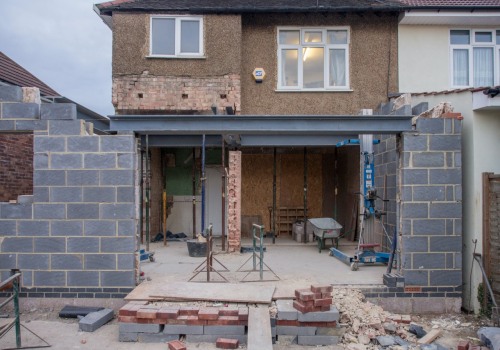
single story extension cost
Understanding the Cost Breakdown of a Single Storey Extension
Explore the detailed cost breakdown of building a single storey extension, including materials, labour, and permits to budget effectively.
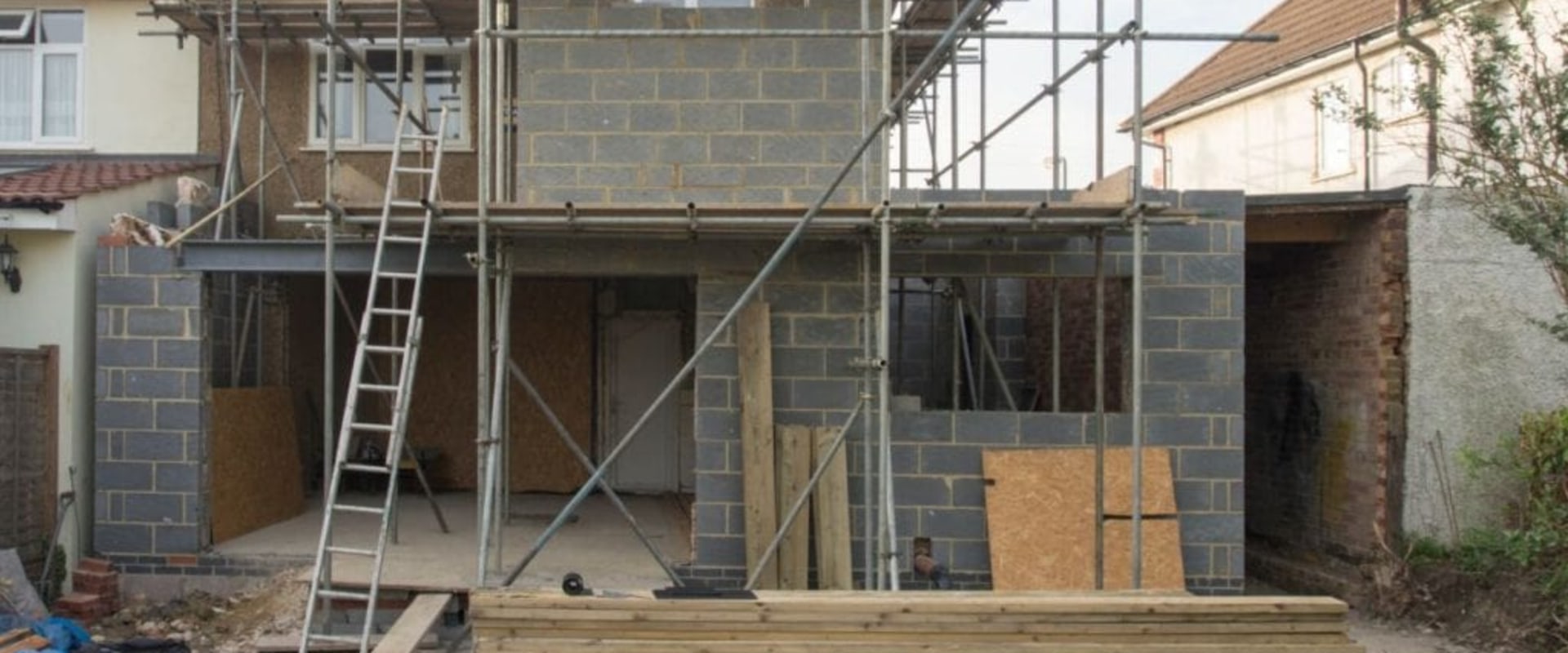
In recent years, the trend of building single storey extensions has gained significant traction among homeowners in the UK. These extensions offer a practical solution for those looking to enhance their living space without the complexities and costs associated with multi-storey builds. Whether it’s to create a spacious kitchen, a bright and airy living room, or even a home office, single storey extensions provide an excellent way to maximise the potential of your property while adding value to your home. One of the primary reasons for their popularity is the relatively straightforward planning process compared to larger projects. Many single storey extensions can fall under permitted development rights, meaning that homeowners may not need to go through the lengthy planning permission process.
This can significantly reduce both the time and stress involved in expanding your home. However, it’s essential to understand that while these extensions are often more affordable than their multi-storey counterparts, they still come with a range of costs that need careful consideration. When discussing single story extension costs, it’s crucial to break down the various elements that contribute to the overall expenditure. From materials and labour to design fees and potential landscaping, each aspect plays a vital role in determining the final price tag. Homeowners must also consider additional expenses such as obtaining necessary permits, hiring professionals like architects or builders, and any unforeseen costs that may arise during construction. As we delve deeper into the specifics of building an extension, understanding these costs will empower you to make informed decisions.
By being aware of what influences extension costs, you can better plan your budget and ensure that your project aligns with your financial expectations while achieving your desired outcome.
Factors Influencing Single Storey Extension Costs
When considering a single storey extension, several key factors can significantly influence the overall cost. Understanding these elements is essential for homeowners aiming to budget effectively and make informed decisions throughout the construction process.- Location: The geographical area where you live plays a crucial role in determining costs. Urban areas typically have higher labour and material costs due to increased demand and living expenses. Additionally, local regulations and planning permissions can vary, potentially adding to the overall expense.
- Size: The size of the extension is one of the most straightforward cost determinants.
Generally, larger extensions will incur higher costs due to increased material requirements and longer construction times. It's important to consider not just the footprint but also the height and volume of the extension, as these factors can affect both materials and labour.
- Design Complexity: A simple rectangular extension will usually be less expensive than a more complex design that includes features like vaulted ceilings, multiple roof angles, or bespoke windows. Custom designs often require more skilled labour and can lead to increased costs in both materials and time.
- Materials Used: The choice of materials can greatly impact the cost of your extension. For instance, opting for high-end finishes or sustainable materials may elevate your budget significantly.
Conversely, using standard materials can help keep costs down. It's essential to balance aesthetics with budget constraints when selecting materials.
- Labour Costs: Labour rates can vary widely based on location and the expertise required for your project. Hiring skilled tradespeople may come at a premium, but their experience can lead to a higher quality finish and potentially save money in the long run by avoiding costly mistakes.
- Additional Features: If you plan to include additional features such as plumbing for a kitchen or bathroom, electrical work, or bespoke cabinetry, these will add to your overall costs. Each feature requires careful planning and budgeting to ensure that you do not exceed your financial limits.
Engaging with professionals early in the planning process can also provide valuable insights into potential costs and help streamline decision-making.
Detailed Cost Breakdown of Building a Single Storey Extension
When considering a single storey extension, understanding the detailed cost breakdown is essential for effective budgeting. The overall expenses can be categorised into several key areas, including construction costs, material expenses, and additional fees such as permits and inspections.Construction Costs
The construction costs typically represent the largest portion of your budget. These costs can vary significantly based on factors such as location, the complexity of the design, and the experience of the builders. On average, you can expect to pay between £1,200 and £2,000 per square metre for a single storey extension.This price range includes:
- Labour Costs: Skilled tradespeople such as builders, electricians, and plumbers will charge varying rates depending on their expertise and your geographical area. Daily rates can range from £90 to £250.
- Site Preparation: This includes clearing the area, excavation, and any necessary groundwork. Depending on the site conditions, this could add an additional £1,000 to £3,000.
- Structural Work: This encompasses the framework of the extension, including walls and roofing. The complexity of your design will influence these costs significantly.
Material Expenses
The choice of materials will also impact your overall budget.Common materials used in single storey extensions include:
- Bricks and Blocks: Traditional brickwork can cost around £50 to £100 per square metre.
- Roofing Materials: Depending on whether you choose tiles or flat roofing systems, expect to pay between £40 to £80 per square metre.
- Windows and Doors: High-quality double-glazed windows can range from £300 to £1,000 each, depending on size and style.
Additional Fees
In addition to construction and material costs, there are several other expenses to consider:- Planning Permission: Depending on your local council regulations, obtaining planning permission may incur fees ranging from £200 to £500.
- Building Regulations Approval: Compliance with building regulations is mandatory and may cost between £100 to £300.
- Inspections: Regular inspections by local authorities during construction may also add to your costs.
Labour Costs: What to Expect
When planning a single storey extension, understanding labour costs is crucial for budgeting effectively. Labour expenses can significantly influence the overall cost of your project, and these rates can vary widely based on several factors. In the UK, the average daily rate for builders typically ranges from £90 to £250. This variation is influenced by the builder's experience, location, and the complexity of the work involved. For instance, builders in London or other major cities may charge higher rates compared to those in rural areas due to increased demand and living costs.Factors Affecting Labour Costs
- Experience and Skill Level: More experienced builders often command higher rates.
Their expertise can lead to better quality work and potentially fewer issues down the line.
- Project Complexity: If your extension involves intricate designs or requires specialist skills (like electrical or plumbing work), expect to pay more for skilled tradespeople.
- Location: As mentioned, geographical location plays a significant role. Urban areas typically have higher labour costs due to demand and cost of living.
- Time of Year: Seasonal demand can also affect rates. Builders may charge more during peak construction seasons when their services are in high demand.
This transparency will help you avoid unexpected expenses later on. Additionally, consider whether you want to hire a main contractor or individual subcontractors for specific tasks. A main contractor can manage the entire project, which may save you time and stress but could come at a premium. On the other hand, hiring subcontractors directly might reduce costs but requires more oversight on your part. Ultimately, understanding the nuances of labour costs will empower you to make informed decisions throughout your extension project. By carefully considering your options and planning accordingly, you can keep your project within budget while achieving the desired results.
Permits and Regulations: Understanding the Legal Costs
When planning a single story extension, understanding the permits and regulations is crucial.In the UK, building regulations are designed to ensure that any construction work is safe, sustainable, and compliant with local laws. Failing to adhere to these regulations can lead to significant legal issues and financial penalties. Before commencing any work, homeowners must determine whether their extension requires planning permission. Generally, single storey extensions may fall under permitted development rights , allowing certain types of extensions without the need for formal planning permission. However, this is not universally applicable, and factors such as the size of the extension, its proximity to boundaries, and its impact on neighbours can influence this requirement.
Costs Associated with Permits
The cost of obtaining necessary permits can vary widely depending on your location and the complexity of your project.Typically, planning application fees range from £200 to £500 for residential extensions. Additionally, if your project requires a full planning application rather than a simpler notification process, you may incur further costs for architectural drawings and professional advice. In addition to planning permission, compliance with building regulations is mandatory. These regulations cover various aspects of construction, including structural integrity, fire safety, insulation standards, and accessibility. Engaging a qualified professional to ensure compliance can add to your costs but is essential for avoiding future complications.
Legal Requirements for Extensions
Homeowners should also be aware of other legal requirements that may apply:- Party Wall Act: If your extension affects a shared wall with a neighbour, you must notify them under the Party Wall Act.
This may involve additional costs for surveys and agreements.
- Environmental Considerations: Depending on your location, you may need to consider environmental regulations that protect local wildlife or habitats.
- Listed Buildings and Conservation Areas: If your property is listed or located in a conservation area, stricter rules apply regarding alterations and extensions.
Design Choices: How They Impact Costs
When planning a single storey extension, the design choices you make can have a profound impact on the overall costs. From the initial concept to the final execution, every decision influences not only the aesthetic appeal but also the financial outlay required to bring your vision to life.Custom Designs vs Standard Designs
One of the primary considerations is whether to opt for a custom design or a standard design. Custom designs, tailored specifically to your needs and preferences, often come with a higher price tag.This is due to the additional time and expertise required from architects and designers to create unique plans that meet your specifications. In contrast, standard designs are pre-existing templates that can be adapted to fit your space. These designs typically cost less because they require less time for planning and can often be executed more quickly. However, while they may save you money upfront, they might not fully utilise your available space or meet your specific requirements.
Architectural Fees
Another significant factor in the cost breakdown of an extension is architectural fees. Hiring an architect can be one of the most substantial expenses in your project.Fees can vary widely based on the complexity of the design, the architect's experience, and geographical location. On average, you might expect to pay between 5% to 15% of the total construction cost for architectural services. It’s essential to consider what these fees include. Some architects offer comprehensive packages that cover everything from initial consultations and design drafts to obtaining necessary planning permissions. Others may charge separately for each service, which can add up quickly if you require extensive revisions or additional consultations.
Balancing Cost and Design
Ultimately, finding a balance between cost and design is crucial.While it may be tempting to cut corners by choosing cheaper designs or forgoing professional help, investing in quality design can lead to long-term benefits. A well-designed extension not only enhances your living space but can also increase the value of your property significantly. In conclusion, when considering a single storey extension, take the time to evaluate your design choices carefully. Weighing the pros and cons of custom versus standard designs and understanding architectural fees will help you make informed decisions that align with both your vision and budget.
Additional Costs to Consider When Planning Your Extension
When embarking on a project to build a single storey extension, it’s essential to look beyond the primary construction costs. Homeowners often overlook several additional expenses that can significantly impact the overall budget.Understanding these costs can help you plan more effectively and avoid financial surprises.
Furniture and Decoration Expenses
Once your extension is built, you’ll want to furnish and decorate the new space to make it functional and aesthetically pleasing. This can include:- Furniture: Depending on the purpose of the extension, you may need to purchase new furniture. For instance, a dining area might require a table and chairs, while a living room extension could need sofas and coffee tables. Budgeting for quality pieces that fit your style is crucial.
- Decorative Elements: Items such as curtains, rugs, artwork, and lighting fixtures can add character to your new space.
These costs can add up quickly, so it’s wise to allocate a specific budget for decoration.
- Appliances: If your extension includes a kitchen or utility area, consider the cost of new appliances. High-quality appliances can be a significant investment but are essential for functionality.
Landscaping Costs
After completing your extension, you may also want to enhance your outdoor space. Landscaping can improve the overall appeal of your property and create a seamless transition between indoor and outdoor areas. Key landscaping expenses include:- Garden Design: Hiring a professional landscape designer can help you create an attractive garden layout that complements your new extension.
- Planting and Materials: The cost of plants, soil, mulch, and hardscaping materials (like patios or pathways) should be factored into your budget.
- Outdoor Furniture: If you plan to use your garden or patio area for entertaining, investing in outdoor furniture is essential.
Unforeseen Costs
No construction project is without its surprises.It’s prudent to set aside a contingency fund—typically around 10-20% of your total budget—to cover unexpected expenses that may arise during the building process. This could include:
- Structural Issues: Discovering problems with existing structures or foundations can lead to additional costs.
- Permitting Fees: If additional permits are required during construction, these fees can add up.
- Delays: Weather conditions or supply chain issues may cause delays that could increase labor costs.
Financing Your Single Storey Extension: Options Available
When considering a single storey extension, understanding the financing options available is crucial for homeowners. Building an extension can be a significant investment, and having a clear financial plan can help ensure the project runs smoothly and stays within budget. Here are some common financing options to consider:- Home Improvement Loans: These are personal loans specifically designed for home renovations. They typically offer fixed interest rates and can be secured or unsecured.
Secured loans may require collateral, such as your home, which can lead to lower interest rates but also carries more risk.
- Remortgaging: If you have built up equity in your home, remortgaging can be a viable option. This involves taking out a new mortgage that is larger than your existing one, allowing you to access funds for your extension. However, it’s essential to consider the potential impact on your monthly repayments.
- Government Grants and Schemes: Depending on your location, there may be government grants or schemes available to assist with home improvements. These can significantly reduce the financial burden of building an extension, so it’s worth researching what’s available in your area.
- Personal Savings: Using personal savings is often the most straightforward way to finance an extension.
This method avoids interest payments and debt but requires careful budgeting and planning to ensure you have enough funds set aside.
- Architectural fees
- Planning permission costs
- Interior furnishings and finishes
- Landscaping and external work
Common Misconceptions About Single Storey Extension Costs
When considering a single storey extension, many homeowners are often misled by common misconceptions regarding the associated costs. Understanding these myths is crucial for making informed decisions and ensuring that your budget aligns with your expectations.- Myth 1: All Extensions Are Incredibly Expensive
One prevalent belief is that building any extension, particularly a single storey one, will break the bank.While costs can vary significantly based on factors such as size, materials, and location, many single storey extensions can be quite affordable. In fact, they often represent a cost-effective solution compared to moving to a larger property.
- Myth 2: Planning Permission Always Increases Costs
Another misconception is that obtaining planning permission will automatically inflate the overall cost of the project. While there are fees associated with planning applications, these are typically minor compared to the total expenditure of the build itself. Moreover, many single storey extensions fall under permitted development rights, which can eliminate the need for planning permission altogether. - Myth 3: You Can’t Save Money on Labour Costs
Many believe that hiring professionals is always the most expensive route.However, working with experienced builders can actually save you money in the long run. They can help avoid costly mistakes and ensure that the project runs smoothly and efficiently. Additionally, obtaining multiple quotes from different contractors can lead to competitive pricing.
- Myth 4: A Single Storey Extension Will Not Add Value
Some homeowners think that a single storey extension won’t significantly increase their property’s value. This is far from true; well-planned extensions can enhance both the functionality and marketability of a home.In many cases, they provide a higher return on investment than other home improvements.
<strong>Conclusion</strong>: Key Takeaways on Single Storey Extension Costs
In conclusion, understanding the single storey extension cost is crucial for homeowners considering this type of project. Throughout this article, we have explored various factors that contribute to the overall expenses associated with building an extension. Here are the key takeaways:- Comprehensive Cost Breakdown: The total cost of a single storey extension encompasses several elements, including construction materials, labour, permits, and additional expenses such as interior furnishings and landscaping.
Each of these components can significantly impact your budget.
- Labour Costs: Hiring skilled professionals is essential for ensuring quality work. Labour costs can vary widely based on location and the complexity of the project. It is advisable to obtain multiple quotes from contractors to find a balance between quality and affordability.
- Material Selection: The choice of materials plays a pivotal role in determining costs. While some may assume that brick extensions are always more expensive than timber frames, this is not universally true.
Larger projects can sometimes offer better value per square metre.
- Planning and Permits: Navigating local regulations and obtaining necessary permits can add to your timeline and budget. Engaging with professionals who understand these requirements can save you time and potential fines.
- Functionality and Design: The intended use of the new space will influence costs. For instance, adding a kitchen or bathroom will typically incur higher expenses than a simple living area due to plumbing and electrical work involved.
- Long-term Value: Investing in a single storey extension can enhance your property’s value significantly compared to the costs incurred. This makes it a financially sound decision for many homeowners looking to expand their living space without relocating.
By understanding all potential costs and engaging with experienced professionals, you can ensure that your project remains within budget while achieving your desired outcomes. Remember, careful preparation today can lead to a successful extension tomorrow.