single story extension cost
Comprehensive Guide to Building a Single Storey Extension: Costs, Tips, and Considerations
Explore essential tips and considerations for building a single storey extension, including costs, design, and planning permissions.
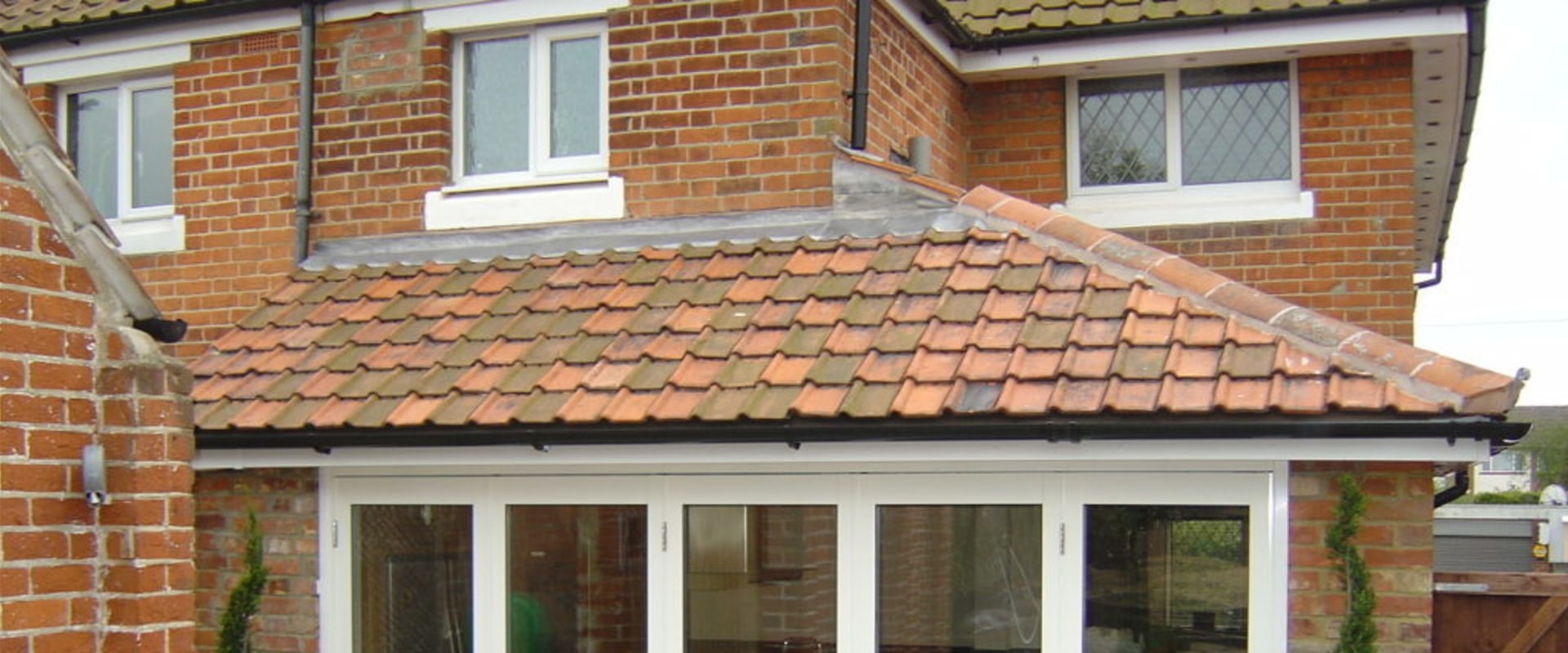
A single storey extension is a popular home improvement option that allows homeowners to expand their living space without the complexities and costs associated with multi-storey builds. Typically, these extensions are added to the rear or side of a property, providing additional room for various purposes such as a larger kitchen, a family room, or even a home office. The appeal of single storey extensions lies in their ability to enhance the functionality of a home while maintaining its overall aesthetic and structural integrity. One of the primary benefits of opting for a single storey extension is the potential for increased property value. By adding extra square footage, homeowners can significantly boost their home's market appeal, making it more attractive to prospective buyers.
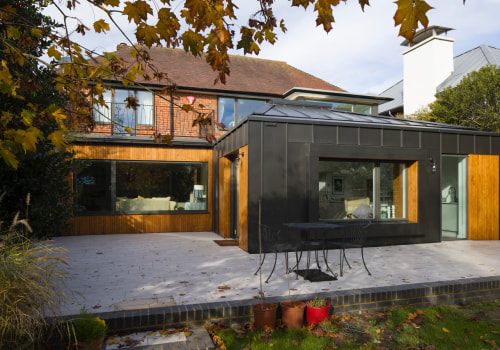
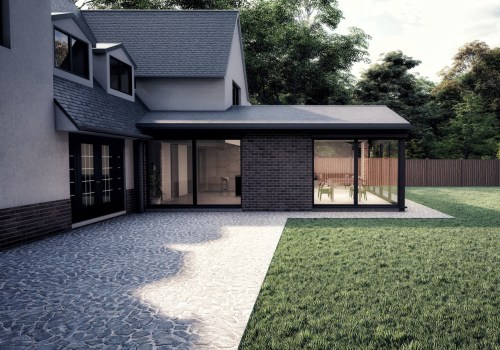
Furthermore, these extensions often require less planning permission than larger builds, streamlining the process and allowing for quicker project completion. This makes them an ideal choice for those looking to enhance their living environment without undergoing extensive renovations. In addition to financial advantages, single storey extensions offer practical benefits as well. They can create a seamless transition between indoor and outdoor spaces, especially when designed with large glass doors or windows that open up to a garden or patio area. This not only enhances natural light but also fosters a sense of connection with nature, which is increasingly valued in modern living.
Moreover, these extensions can be tailored to meet specific needs, whether it’s creating an open-plan layout for entertaining or providing a quiet retreat for relaxation. As you consider the possibility of building a single storey extension, it’s essential to weigh the various factors involved, including design options, costs, and local regulations. Understanding these elements will help you make informed decisions that align with your vision and budget, ultimately leading to a successful home improvement project.
Factors Influencing Single Storey Extension Costs
When planning a single storey extension, understanding the various factors that influence cost is essential for effective budgeting. Here are the key elements that can significantly affect the overall expense of your project:- Size of the Extension: The most obvious factor is the size of the extension. Generally, costs are calculated on a per square metre basis, so larger extensions will naturally incur higher costs.
For instance, a modest extension of 20 square metres may cost significantly less than a 50 square metre addition.
- Materials Used: The choice of materials can greatly impact costs. High-quality materials such as natural stone or premium timber will increase your budget, while more economical options like brick or concrete may help keep costs down. Additionally, consider whether you want energy-efficient materials, which can be more expensive upfront but save money in the long run through reduced energy bills.
- Location: The geographical location of your property plays a crucial role in determining costs. Urban areas typically have higher labour and material costs compared to rural locations.
Furthermore, local regulations and planning permissions can vary, potentially adding to expenses if additional approvals are required.
- Design Complexity: A straightforward design will generally be less expensive than a complex one. Features such as vaulted ceilings, large glass panels, or intricate roof designs can add to both material and labour costs. It’s advisable to work with an architect or designer to create a plan that balances aesthetics with budget.
- Labour Costs: The cost of hiring skilled tradespeople can vary widely based on their experience and your location. While it may be tempting to cut costs by doing some work yourself, it’s important to consider the value of professional expertise in ensuring quality and compliance with building regulations.
- Additional Features: Consider any additional features you may want to include in your extension, such as plumbing for a new bathroom or kitchen area, electrical work for lighting and heating, or landscaping for outdoor spaces.
Each of these elements will add to the overall cost.
Budgeting for Your Single Storey Extension
When planning a single storey extension, establishing a realistic budget is crucial to ensure the project runs smoothly and stays within financial limits. Here are some practical steps and tips to help you effectively budget for your extension.1.Understand the Average Costs
- The cost of a single storey extension can vary significantly based on location, size, and materials used. On average, homeowners in the UK can expect to pay between £1,200 and £2,000 per square metre.
- Consider additional costs such as planning fees, which can range from £200 to £500, and building regulations approval fees that may also apply.
2.Create a Detailed Plan
Before you start estimating costs, it’s essential to have a clear plan of what you want your extension to look like.
This includes:
- Design specifications: What features do you want? Will it include large windows or bi-fold doors?
- Materials: Research the types of materials you wish to use, as this can greatly affect your budget.
- Size: Determine the square footage of the extension to calculate material and labour costs accurately.
3.Factor in Hidden Costs
Many homeowners overlook potential hidden expenses that can arise during construction. Be sure to account for:
- Site preparation: Clearing the area and any necessary groundwork can add unexpected costs.
- Utilities: If your extension requires new plumbing or electrical work, these costs can escalate quickly.
- Interior finishes: Don’t forget about flooring, painting, and other finishing touches that can add up.
4.Get Multiple Quotes
Once you have a clear idea of your project, seek quotes from several contractors. This will not only give you a better understanding of the market rate but also help you identify any discrepancies in pricing. Ensure that each quote includes a breakdown of costs so you can compare them effectively.
5.Set Aside a Contingency Fund
No matter how well you plan, unexpected expenses are likely to arise.
It’s wise to set aside at least 10-15% of your total budget as a contingency fund to cover any unforeseen costs that may occur during construction. By following these budgeting tips and being mindful of potential hidden expenses, you can create a comprehensive financial plan for your single storey extension that helps turn your vision into reality without breaking the bank.
Design Considerations for Your Extension
When embarking on the journey of designing a single storey extension, it is crucial to consider various factors that will influence both the aesthetics and functionality of the new space. A well-thought-out design not only enhances the visual appeal of your home but also ensures that the extension serves its intended purpose effectively.Aesthetics and Integration
One of the primary considerations in designing your extension is how it will integrate with the existing structure. The goal is to create a seamless transition between the old and new parts of your home. Here are some tips to achieve this:
- Architectural Style: Ensure that the architectural style of your extension complements that of your existing home.
This includes matching rooflines, window styles, and materials.
- Colour Palette: Choose colours that harmonise with your current exterior. A cohesive colour scheme can significantly enhance the overall look.
- Landscaping: Consider how landscaping can help blend the extension into your garden. Thoughtful planting and pathways can create a natural flow.
Functionality and Layout
The layout of your extension should be driven by its intended use. Whether you are adding a kitchen, living area, or additional bedrooms, functionality is key.
Here are some design tips:
- Open Plan vs. Defined Spaces: Decide if you want an open-plan layout that encourages social interaction or defined spaces for privacy and functionality.
- Natural Light: Incorporate large windows or bi-fold doors to maximise natural light, making the space feel larger and more inviting.
- Flow and Accessibility: Ensure that there is a logical flow between the existing home and the new extension. Consider accessibility for all family members, including those with mobility issues.
Sustainability Considerations
In today’s environmentally conscious world, incorporating sustainable design elements can add value to your extension while reducing its environmental impact. Consider using energy-efficient materials, installing solar panels, or incorporating green roofs. Ultimately, careful planning and consideration of these design aspects will lead to a successful single storey extension that not only meets your needs but also enhances the overall character of your home.
Planning Permissions and Regulations
When considering a single storey extension, understanding the planning permissions and building regulations in the UK is crucial.These legal requirements are designed to ensure that any construction is safe, sustainable, and in keeping with the character of the local area.
Planning Permission
In many cases, you will need to apply for planning permission before starting your extension project. This is particularly true if your plans do not fall under the category of permitted development. Permitted development rights allow certain types of extensions to be built without the need for a full planning application, provided they meet specific criteria. For instance:
- The extension must not exceed 4 metres in height.
- The total area of ground covered by the extension must not exceed 50% of the total area of land around the original house.
- The extension should not extend beyond the rear wall of the original house by more than 3 metres for an attached house or 4 metres for a detached house.
This process can take several weeks, so it’s advisable to factor this into your project timeline.
Building Regulations
In addition to planning permission, all building work must comply with building regulations. These regulations set standards for design, construction, and alterations to ensure safety and health. Key areas covered by building regulations include:
- Structural integrity: Ensuring that the extension is structurally sound and can support its own weight.
- Fire safety: Implementing measures to prevent and control fire hazards.
- Energy efficiency: Meeting standards for insulation and energy use to promote sustainability.
- Access: Ensuring that the extension is accessible to all individuals, including those with disabilities.
Conclusion
Before embarking on your single storey extension project, it is essential to thoroughly research and understand both planning permissions and building regulations.
Engaging with local authorities early in the process can help clarify what is required and streamline your project, ultimately saving you time and potential legal complications.
Choosing the Right Builder or Contractor
When embarking on the journey of building a single storey extension, one of the most critical decisions you will make is selecting the right builder or contractor. The quality of workmanship can significantly impact not only the single story extension cost but also the overall success of your project. Here are some essential tips to guide you in choosing the right professional for your needs.Research and Recommendations
Start by gathering recommendations from friends, family, or neighbours who have recently undertaken similar projects. Personal experiences can provide valuable insights into a builder's reliability and quality of work.Additionally, consider searching online for local builders and reading reviews on platforms such as Trustpilot or Google Reviews.
Check Qualifications and Experience
Once you have a shortlist of potential builders, verify their qualifications. Ensure they are registered with relevant trade bodies, such as the Federation of Master Builders (FMB) or the National Federation of Builders (NFB). These affiliations often indicate a commitment to quality and professionalism.Request Detailed Quotes
When you contact builders for quotes, ask for detailed breakdowns that include labour, materials, and any additional costs. This transparency will help you compare offers more effectively and avoid unexpected expenses later on.Be cautious of quotes that seem significantly lower than others; they may indicate a compromise in quality or hidden costs.
Assess Communication Skills
A good builder should be approachable and willing to communicate openly about your project. Pay attention to how promptly they respond to your inquiries and whether they take the time to explain their processes. Effective communication is crucial for ensuring that your vision is understood and executed correctly.Review Past Work
Ask potential builders for examples of their previous work, particularly projects similar to your planned extension. Visiting completed sites or viewing portfolios can give you a clearer idea of their style and craftsmanship.Don't hesitate to ask for references from past clients to gain further insight into their experiences.
Understand Your Contract
Before signing any contracts, ensure you fully understand the terms and conditions. The contract should outline the scope of work, payment schedule, timelines, and warranties. A well-drafted contract protects both parties and helps prevent disputes during the construction process. In conclusion, choosing the right builder or contractor is paramount to the success of your single storey extension project. By conducting thorough research, checking qualifications, requesting detailed quotes, assessing communication skills, reviewing past work, and understanding your contract, you can ensure that your project runs smoothly and meets your expectations.DIY vs Professional Build: What You Need to Know
When considering a single storey extension, one of the most significant decisions you will face is whether to undertake the project yourself or hire professional builders.Each option comes with its own set of advantages and disadvantages, and understanding these can help you make an informed choice that aligns with your skills, budget, and timeline.
Pros of DIY Extensions
- Cost Savings: One of the primary reasons homeowners opt for a DIY approach is the potential for substantial cost savings. By managing the project yourself, you can save on labour costs, which can account for a significant portion of the overall single storey extension cost.
- Personal Satisfaction: Completing a project on your own can be incredibly rewarding. The sense of accomplishment that comes from seeing your vision come to life can be a strong motivator.
- Flexibility: DIY projects allow for greater flexibility in terms of scheduling. You can work at your own pace and adjust timelines as needed without being beholden to a contractor's schedule.
Cons of DIY Extensions
- Skill Limitations: Not everyone has the necessary skills or experience to handle complex construction tasks.
Mistakes can lead to costly repairs and may compromise the safety and integrity of your extension.
- Time-Consuming: Managing a DIY project can be time-intensive, especially if you are balancing other commitments such as work or family. This could lead to delays in completion.
- Lack of Professional Insight: Professionals bring valuable expertise and knowledge about building regulations, structural integrity, and design that may not be readily available to a DIYer.
Pros of Hiring Professionals
- Expertise: Professional builders have the training and experience necessary to ensure that your extension is built to high standards. They are familiar with local building codes and regulations, which can help avoid legal issues down the line.
- Efficiency: Professionals typically have established processes and access to resources that allow them to complete projects more quickly than an inexperienced DIYer.
- Quality Assurance: Hiring professionals often means you will receive warranties on their work, providing peace of mind regarding the quality and durability of your extension.
Cons of Hiring Professionals
- Higher Costs: The most significant drawback is often the cost. Hiring professionals can significantly increase your overall budget due to labour fees and potential markups on materials.
- Lack of Control: When you hire someone else, you may have less control over the day-to-day decisions regarding design and execution, which could lead to outcomes that don’t fully align with your vision.
If you feel confident in your abilities and are willing to invest the time required, a DIY project could be fulfilling. However, if you prefer peace of mind and quality assurance, hiring professionals may be the better route.
Common Mistakes to Avoid When Building an Extension
Building a single storey extension can be an exciting venture, but it is also fraught with potential pitfalls. Homeowners often make mistakes that can lead to delays, increased costs, and even structural issues. Here are some common mistakes to avoid when embarking on your extension project:- Neglecting Planning Permissions: One of the most significant errors is failing to secure the necessary planning permissions.
Always check with your local council to understand what is required for your specific project. Ignoring this step can result in fines or the need to demolish your extension.
- Underestimating Costs: Many homeowners underestimate the total cost of building an extension. It’s essential to create a detailed budget that includes not just construction costs but also fees for permits, professional services, and unexpected expenses. Aim for a contingency fund of at least 10-20% of your total budget.
- Ignoring the Existing Structure: When designing your extension, consider how it will integrate with your existing home.
Failing to do so can lead to aesthetic mismatches and structural issues. Consult with an architect or designer to ensure a cohesive look and feel.
- Choosing the Wrong Materials: The materials you select can significantly impact both the cost and longevity of your extension. Opting for cheaper materials may save money initially but could lead to higher maintenance costs in the long run. Invest in quality materials that suit your climate and environment.
- Overlooking Natural Light: A common mistake is not considering how natural light will enter the new space.
Poor lighting can make an extension feel cramped and uninviting. Incorporate large windows or skylights into your design to enhance brightness and create a more welcoming atmosphere.
- Not Hiring Professionals: While DIY projects can save money, certain aspects of building an extension require professional expertise. Hiring architects, builders, and structural engineers can help avoid costly mistakes and ensure that your project meets safety standards.
- Failing to Communicate: Clear communication with contractors and professionals is vital throughout the building process. Misunderstandings can lead to errors that may be expensive to rectify later on.
Regular check-ins and updates can help keep everyone on the same page.
Real-Life Case Studies: Successful Single Storey Extensions
When considering a single storey extension, real-life examples can provide invaluable insights and inspiration. Here are a few case studies that highlight the diverse possibilities and successful outcomes of such projects.Case Study 1: The Open-Plan Kitchen
A family in Surrey decided to extend their home to create a spacious open-plan kitchen and dining area. The original kitchen was cramped and isolated from the living space, making it difficult for the family to interact while cooking or entertaining.By adding a single storey extension, they were able to incorporate large bi-fold doors that opened up to their garden, creating a seamless indoor-outdoor flow. The total cost of the extension was approximately £40,000, which included high-quality finishes and energy-efficient glazing. The family reported that not only did the extension enhance their living experience, but it also increased the value of their home significantly.
Case Study 2: A Modern Living Room
In East London, a couple transformed their small Victorian terrace by adding a contemporary living room extension. They opted for a flat roof with skylights to maximise natural light, creating a bright and airy space. The design featured sleek lines and minimalist decor, which complemented the existing architecture while providing a modern touch. The project cost around £30,000 and took just three months to complete.The couple found that the new living room became the heart of their home, perfect for both relaxation and hosting friends.
Case Study 3: Multi-Functional Space
A family in Manchester needed more space for their growing children. They chose to build a single storey extension that served multiple purposes: a playroom for the kids, a home office for remote work, and an additional storage area. This flexible design allowed them to adapt the space as their needs changed over time. The total investment was about £50,000, which included custom-built furniture and smart storage solutions. The family expressed satisfaction with how the extension improved their daily lives by providing dedicated areas for work and play. These case studies illustrate that a single storey extension can significantly enhance both functionality and aesthetics in various ways.Whether you seek to create an open-plan living area or a multi-functional space, careful planning and execution can lead to remarkable transformations in your home.
Conclusion: Key Takeaways for Your Extension Project
As you embark on the journey of building a single storey extension, it is crucial to keep in mind several key takeaways that can significantly influence the success of your project. Understanding these elements will not only help you navigate the complexities of construction but also ensure that your extension meets your needs and enhances your home.- Budgeting Wisely: One of the most critical aspects of any extension project is understanding the single story extension cost. Be sure to account for all potential expenses, including materials, labour, and permits. A well-planned budget can prevent unexpected financial strain.
- Consult Professionals: While DIY projects can save money, consulting with architects and structural engineers is essential for ensuring safety and compliance with local regulations.
Their expertise can help you avoid costly mistakes.
- Planning Permission: Always check with your local authority regarding planning permissions and building regulations. This step is vital to avoid legal issues that could delay or halt your project.
- Design Considerations: Think carefully about the design of your extension. It should complement your existing home while fulfilling your functional requirements. Consider factors such as natural light, space flow, and aesthetics.
- Project Management: If you choose to manage the project yourself, stay organised.
Create a timeline, keep track of expenses, and communicate regularly with any contractors or suppliers involved.