single story extension cost
Building vs. Adding: Evaluating the Cost-Effectiveness of Home Expansion with a Focus on Single Story Extensions
Explore the cost-effectiveness of building a new home versus adding a single story extension. Make informed decisions for your home expansion.
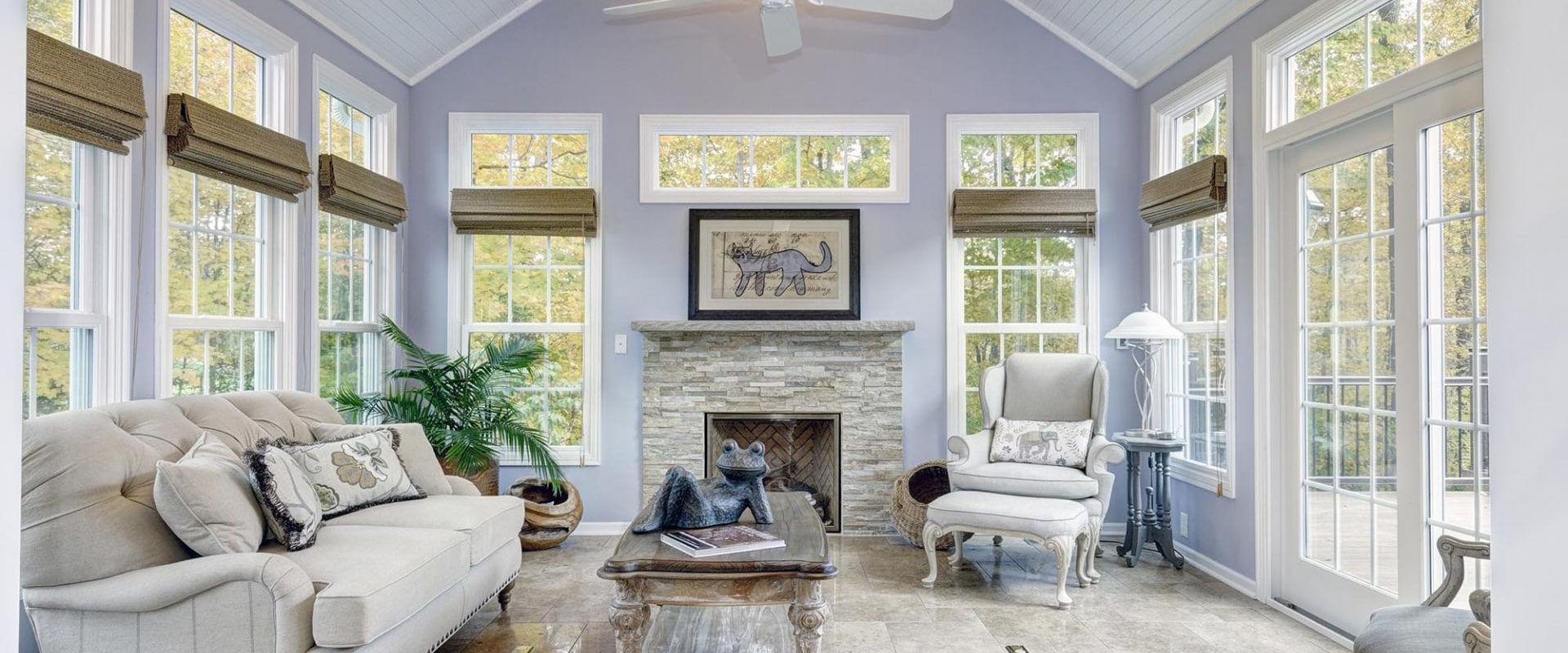
When considering the prospect of expanding your home, it’s essential to understand the two primary options available: building a new structure or adding an extension. Each choice comes with its own set of advantages and challenges, making it crucial to evaluate which path aligns best with your needs, budget, and long-term goals. Home expansion is not merely about increasing square footage; it’s about enhancing your living experience and potentially increasing the value of your property. Building a new structure often involves creating a completely separate entity on your property, such as a guest house or a garage. This option can provide greater flexibility in design and functionality, allowing you to tailor the space to specific needs.
However, it typically requires a more substantial investment upfront, including costs associated with land preparation, permits, and construction materials. On the other hand, adding an extension—such as a single story extension—can be a more cost-effective solution for those looking to enhance their existing living space without the complexities of new construction. The single story extension cost can vary significantly based on factors such as size, materials used, and local labour rates. Understanding these costs is vital for homeowners who want to make informed decisions about their expansion options. Additionally, while adding an extension may seem less daunting than building anew, it still requires careful planning and consideration of zoning laws, structural integrity, and how the new space will integrate with your current home. Ultimately, the decision between building and adding hinges on various factors including budget constraints, desired outcomes, and the specific characteristics of your property.
By weighing these elements thoughtfully, you can embark on a home expansion project that not only meets your immediate needs but also enhances your living environment for years to come.
The Cost Factors of Building a New Home
When considering the cost of building a new home, several key factors come into play that can significantly influence the overall expense. Understanding these elements is essential for homeowners who are contemplating this option, as they can vary widely based on location, design, and personal preferences.1.Land Acquisition
The first major cost factor is the price of land. Depending on the area, land prices can fluctuate dramatically. Urban locations typically command higher prices due to demand, while rural areas may offer more affordable options.
Additionally, factors such as proximity to amenities, schools, and transport links can further affect land costs.
2.Materials
The choice of materials is another significant contributor to the overall cost. High-quality materials may increase initial expenses but can lead to long-term savings through durability and energy efficiency. Common materials include:
- Brick and masonry
- Wood and timber
- Steel and concrete
- Insulation materials
3.Labour Costs
Labour costs can vary based on the complexity of the build and local wage rates. Hiring skilled tradespeople such as electricians, plumbers, and carpenters is essential for ensuring quality workmanship but can also add to the overall budget.
It's advisable to obtain multiple quotes from contractors to find a competitive rate without compromising on quality.
4.Timeframes
The duration of the construction process can also impact costs. Delays due to weather, supply chain issues, or permitting can lead to increased labour costs and extended financing needs. On average, building a new home can take anywhere from six months to over a year, depending on the project's scale and complexity.
In summary, understanding these cost factors—land acquisition, materials, labour, and timeframes—can help homeowners make informed decisions when considering building a new home or exploring alternatives like a single story extension. By carefully evaluating each aspect, you can better manage your budget and expectations throughout the construction process.
Evaluating the Costs of Adding an Extension
When considering a home extension, understanding the cost of home extension is crucial for homeowners.The expenses associated with adding an extension can vary significantly based on several factors, including the type of extension, materials used, and the complexity of the project. One of the most common types of extensions is the single-storey extension. This option is often more affordable than multi-storey additions due to its simpler construction requirements. On average, the single story extension cost can range from £1,200 to £2,000 per square metre, depending on the quality of materials and finishes chosen. This price typically includes labour, materials, and any necessary permits.
Factors Affecting Extension Costs
Several key factors can influence the overall cost of adding an extension:- Design Complexity: A straightforward design will generally be less expensive than a complex one.
Features such as vaulted ceilings or large glass panels can increase costs.
- Materials: The choice of materials plays a significant role in determining costs. High-end finishes and sustainable materials may elevate the budget considerably.
- Location: The geographical location of your home can affect labour costs and material availability. Urban areas may have higher costs compared to rural locations.
- Planning Permissions: Obtaining planning permission can add to the timeline and cost. It’s essential to factor in potential fees for applications and consultations with local authorities.
- Foundation Work: If your existing foundation requires reinforcement to support the new structure, this can significantly increase costs.
These can include unexpected structural issues or changes in design that necessitate additional work. To mitigate these risks, it’s advisable to work with experienced contractors who can provide accurate estimates and help navigate any challenges that may arise. In conclusion, while adding an extension can be a fantastic way to enhance your living space, it’s essential to thoroughly evaluate all associated costs. By understanding the various factors that influence pricing, homeowners can make informed decisions that align with their budget and vision for their home.
Comparative Analysis: Building vs. Adding
When considering home expansion, the decision between building a new structure and adding an extension is pivotal.Each option presents unique financial implications, timelines, and complexities that can significantly affect your overall investment.
Cost Comparison
- Building a New Home: The average cost of constructing a new home can vary widely based on location, materials, and design choices. However, it often ranges from £1,200 to £2,500 per square metre. This price includes everything from foundation work to roofing and interior finishes.
- Single Story Extension Cost: In contrast, the cost of a single story extension typically falls between £1,000 and £2,000 per square metre. While this may seem more affordable at first glance, additional expenses such as planning permissions, structural reinforcements, and potential disruptions to existing utilities can add up quickly.
Time Considerations
- New Construction: Building a new home generally takes less time than adding an extension.
A new build can be completed in as little as three to six months, depending on the complexity of the design and local regulations.
- Extension Projects: On the other hand, adding an extension can take anywhere from six months to over a year. This extended timeline is often due to the need for careful integration with the existing structure and compliance with building regulations.
Complexity of Work
- Building: Constructing a new home allows for a clean slate. You can design the layout according to your preferences without needing to accommodate existing structures.
- Adding: Extensions require significant planning and may involve complex structural work. For instance, if you are adding a single story extension to an older property, you may need to address issues like outdated foundations or roofing that cannot support additional weight.
Overall Financial Impact
The financial impact of either option extends beyond initial costs.
A new build may offer better long-term value due to modern energy-efficient designs and lower maintenance costs. Conversely, while an extension might seem cheaper upfront, it could lead to higher ongoing expenses if not properly integrated into the existing home. Ultimately, the choice between building and adding hinges on your specific circumstances, including budget constraints, desired timelines, and personal preferences. Consulting with a professional contractor can provide valuable insights tailored to your situation.
Long-Term Financial Implications
When considering the long-term financial implications of home expansion, it is essential to evaluate both the immediate costs and the potential future benefits. Whether you choose to build a new structure or add an extension, understanding how these decisions will affect your finances over time can significantly influence your choice. One of the primary factors to consider is the increase in property value.Generally, a well-executed home extension can enhance your property's market value. For instance, a single story extension can create additional living space, making your home more appealing to potential buyers. According to various property experts, extensions can yield a return on investment (ROI) of up to 70% or more, depending on the quality of the work and the local real estate market conditions. In contrast, building a new home may offer a different set of financial advantages. A newly constructed home often comes with modern amenities and energy-efficient features that can lead to lower utility bills over time.
Additionally, new builds typically require less maintenance in the initial years compared to older homes that have undergone extensions. However, it is crucial to factor in ongoing maintenance costs associated with both options. Extensions may require regular upkeep, especially if they involve complex structures like roofs or additional plumbing systems. Homeowners should budget for these expenses as part of their long-term financial planning. Moreover, financing options can also play a significant role in determining the overall cost-effectiveness of building versus adding. Homeowners may find that securing a loan for an extension is more straightforward than financing a new build, which often involves larger sums and more stringent lending criteria. Ultimately, the decision between building and adding should not be taken lightly.
It is advisable to consult with financial advisors and real estate professionals who can provide insights tailored to your specific situation. By carefully weighing the long-term costs and benefits of each option, homeowners can make informed decisions that align with their financial goals.
Case Studies: Real-Life Examples of Home Expansions
When considering home expansions, real-life case studies can provide invaluable insights into the decision-making processes and financial outcomes associated with building versus adding. Here are a few examples that illustrate the various factors influencing these choices.Case Study 1: The Smith Family's Single Story Extension
The Smiths, a family of four living in a suburban area, decided to expand their home to accommodate their growing needs. After evaluating their options, they opted for a single story extension rather than adding a second floor.The primary reasons for this choice included:
- Cost Efficiency: The estimated single story extension cost was significantly lower than the potential expenses associated with a second storey, which would have required extensive structural modifications.
- Time Frame: The project was completed in just four months, allowing the family to enjoy their new space sooner than if they had chosen to build upwards.
- Accessibility: A single story extension provided easier access for elderly relatives who frequently visited.
Case Study 2: The Johnsons' Second Floor Addition
The Johnsons faced a different scenario. With limited land space and a desire for more bedrooms, they decided to add a second floor to their existing home. Their experience highlighted several challenges:- Higher Costs: The total cost of the second floor addition exceeded initial estimates due to unforeseen structural reinforcements needed for the existing foundation.
- Extended Timeline: What was expected to be a six-month project turned into nearly a year due to delays in obtaining necessary permits and inspections.
- Disruption: Living through the construction process proved challenging, as the family had to navigate around ongoing work.
Case Study 3: The Parkers' Glazed Terrace Addition
The Parkers chose to enhance their home by adding a glazed terrace instead of opting for a full extension or second floor. This decision was driven by several factors:- Aesthetic Appeal: The glazed terrace not only provided additional living space but also enhanced the overall look of their home.
- Lower Foundation Costs: As it required less structural work compared to other types of expansions, the financial outlay was considerably reduced.
- Quick Completion: The project was completed within three months, allowing them to enjoy their new space without significant disruption.
By examining real-life examples, homeowners can better understand the implications of their choices and make informed decisions regarding their own home expansion projects.
Frequently Asked Questions (FAQs)
When considering a home expansion, homeowners often have numerous questions regarding the costs and implications of building versus adding an extension. Below are some frequently asked questions that can help clarify these concerns.What is the average single story extension cost?
The cost of a single story extension can vary significantly based on several factors, including location, size, and the complexity of the design. On average, homeowners can expect to pay between £1,200 and £2,000 per square metre. This estimate typically includes materials, labour, and necessary permits.However, additional features such as high-end finishes or complex architectural designs can increase costs.
Is it cheaper to build a new home than to add an extension?
In many cases, building a new home can be more cost-effective than adding an extension. This is primarily due to the extensive work required for extensions, especially if they involve structural changes like adding a second floor. New builds often benefit from modern construction techniques and materials that can reduce overall costs.What factors influence the cost of adding an extension?
- Size: Larger extensions will naturally incur higher costs due to increased materials and labour.
- Design: Complex designs may require more skilled labour and time, raising costs.
- Location: Costs can vary by region; urban areas typically have higher labour and material costs.
- Permits and regulations: Obtaining necessary permits can add to the overall expense.
How long does it take to complete a single story extension?
The timeline for completing a single story extension generally ranges from three to six months. This duration can be affected by factors such as weather conditions, availability of materials, and the complexity of the project.Proper planning and hiring experienced contractors can help streamline the process.
Are there any zoning restrictions I should be aware of?
Yes, zoning laws can significantly impact your ability to add an extension. Homeowners should check local regulations regarding height restrictions, property lines, and permitted types of extensions. Consulting with a professional contractor or architect familiar with local laws is advisable to ensure compliance. By addressing these common questions, homeowners can make more informed decisions about whether to build or add an extension to their property. Understanding the single story extension cost, potential challenges, and benefits will ultimately lead to a more successful home expansion project.Conclusion: Making an Informed Decision on Home Expansion
In conclusion, the decision between building a new home or adding an extension is multifaceted and requires careful consideration of various factors.Each option presents its own set of advantages and challenges, particularly when it comes to single story extension cost and overall project feasibility. Throughout this article, we have explored the complexities involved in both building and adding to an existing structure. Key considerations include:
- Cost Implications: Building a new home often proves to be more cost-effective than adding an extension, especially when factoring in the potential need for structural reinforcements in older homes.
- Timeframe: New constructions typically have shorter completion times compared to extensions, which can take several months due to the intricacies of integrating with existing structures.
- Design Flexibility: A new build allows for greater design freedom, enabling homeowners to create a space that perfectly meets their needs without the constraints of existing layouts.
- Zoning and Permits: Both options require navigating local zoning laws and obtaining necessary permits, but extensions may face additional restrictions based on the existing property.
They can help evaluate your current home’s foundation, assess potential costs associated with both options, and guide you through the decision-making process. By weighing all these factors carefully, you can make an informed choice that aligns with your budget and lifestyle aspirations.