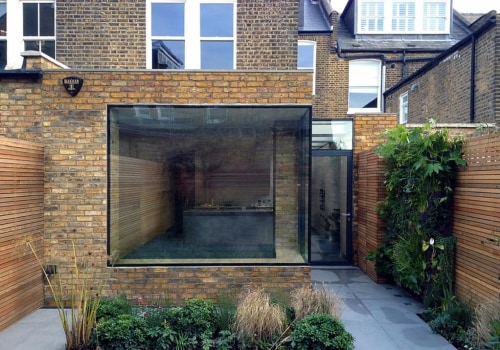
single story extension cost
Building Up vs. Adding On: Evaluating Cost-Effectiveness for Your Home Extension
Explore the cost-effectiveness of building up vs. adding on for home extensions. Discover insights on single story extension costs and more.
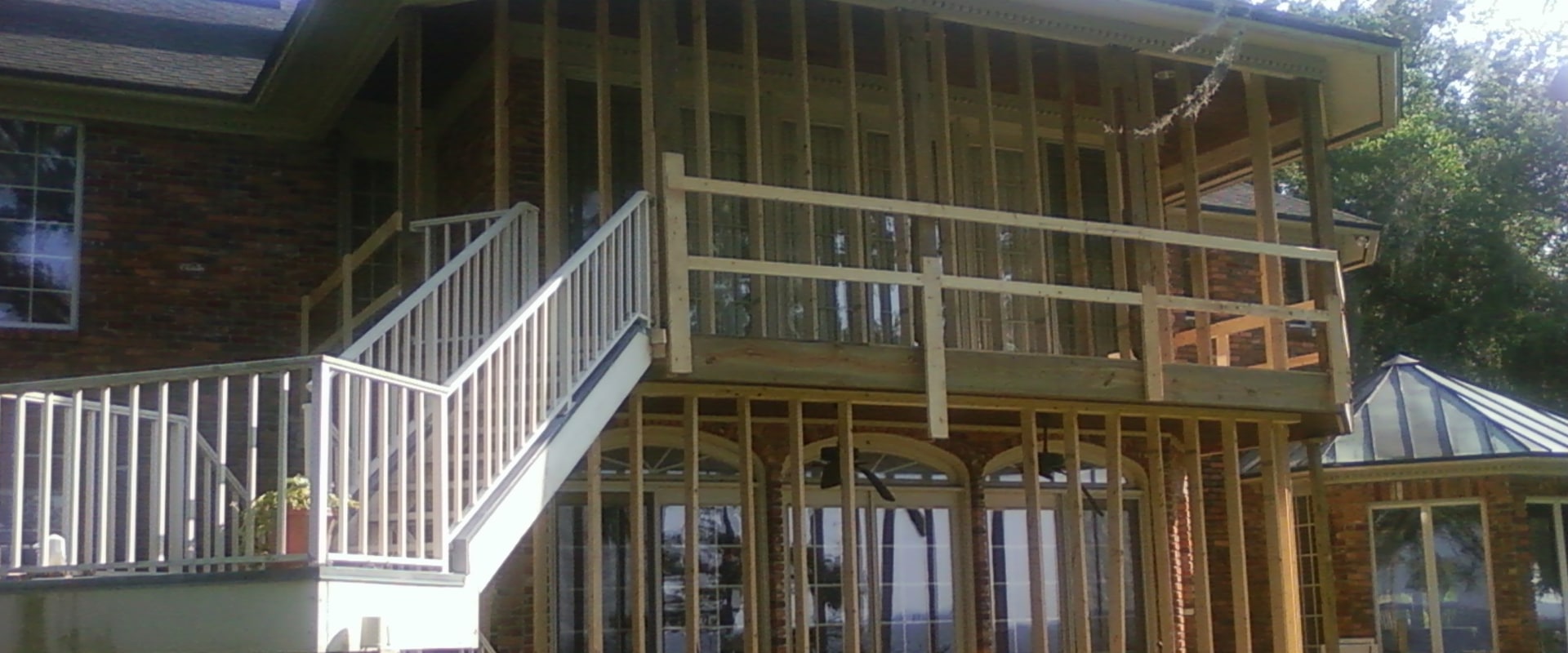
Home extensions have become a popular solution for homeowners looking to increase their living space without the hassle of moving. Whether you are considering a single story extension or contemplating a more ambitious project, understanding the nuances between building up and adding on is crucial. Each option presents its own set of advantages and challenges, making it essential to evaluate your specific needs and circumstances before making a decision. Additionally, if you're thinking about enhancing your home, it can also be smart to remodel a bathroom to maximize both functionality and style. Building up typically involves adding an additional floor to your existing structure, which can be an attractive option for those who want to maximise their property’s footprint while maintaining outdoor space. or contemplating a more ambitious project, understanding the nuances between building up and adding on is crucial. Each option presents its own set of advantages and challenges, making it essential to evaluate your specific needs and circumstances before making a decision. Additionally, if you're thinking about enhancing your home, it can also be smart to remodel a bathroom to maximize both functionality and style. Building up typically involves adding an additional floor to your existing structure, which can be an attractive option for those who want to maximise their property’s footprint while maintaining outdoor space.
This method often requires less land and can provide stunning views, but it also necessitates careful consideration of the existing foundation and structural integrity. On the other hand, adding on usually refers to extending the ground level of your home, which can seamlessly integrate with the current layout and design. This approach may be more straightforward in terms of construction but can sometimes lead to a more significant disruption during the renovation process. Understanding the cost implications of each option is vital. The single story extension cost can vary significantly based on factors such as size, materials, and local regulations.
Homeowners must weigh these costs against their budget and long-term goals. Additionally, it’s important to consider how each choice will affect your home’s value and functionality. By exploring these aspects thoroughly, you can make an informed decision that aligns with your vision for your home.
The Basics of Building Up
Building up refers to the process of adding additional floors or levels to an existing structure, rather than expanding horizontally by constructing an extension. This approach can be particularly appealing for homeowners who wish to maximise their living space without sacrificing valuable garden or outdoor areas.However, it is essential to consider various structural and financial factors before embarking on such a project.
Structural Considerations
- Foundation Strength: One of the primary concerns when building up is whether the existing foundation can support the additional weight. A thorough assessment by a structural engineer is crucial to determine if reinforcements are necessary.
- Roof Modifications: Adding a new floor often requires significant alterations to the roof structure, including the installation of a staircase and possibly new roofing materials. This can add complexity and cost to the project.
- Building Regulations: Homeowners must comply with local building codes and regulations, which may dictate specific requirements for height, safety, and structural integrity.
Advantages of Building Up
- Cost-Effectiveness: In many cases, building up can be more cost-effective than horizontal extensions. The single story extension cost can be significant due to land acquisition and landscaping expenses, whereas vertical expansion often utilises existing space more efficiently.
- Preservation of Outdoor Space: By building upwards, homeowners can retain their garden or yard area, which is especially valuable in urban settings where outdoor space is limited.
- Enhanced Views: A second or third floor can provide improved views and natural light, enhancing the overall living experience.
- Increased Property Value: Expanding vertically can significantly increase the value of a property, making it more attractive to potential buyers in the future.
Homeowners should consult with professionals to ensure that their vision aligns with practical realities and budget constraints.
The Process of Adding On
Adding on to your home can be a transformative process, allowing you to expand your living space without the need to relocate. This method typically involves constructing an extension that seamlessly integrates with your existing structure, enhancing both functionality and aesthetic appeal. Before embarking on this journey, it’s essential to understand the steps involved in adding on:- Planning and Design: Begin by assessing your needs and envisioning how the new space will be used. Engage with an architect or designer to create plans that complement your home’s style while adhering to local building regulations.
-
Budgeting: Determine your budget for the project. The single story extension cost can vary significantly based on size, materials, and labour.
It’s wise to include a contingency fund for unexpected expenses.
- Obtaining Permits: Check with your local council regarding necessary permits. This step is crucial as it ensures that your project complies with zoning laws and building codes.
- Hiring Contractors: Select reputable contractors who have experience with home extensions. Obtain multiple quotes and check references to ensure quality workmanship.
- Construction: Once all plans are approved and contracts signed, construction can begin. This phase may involve site preparation, foundation work, framing, roofing, and interior finishing.
- Final Inspection: After completion, a final inspection may be required to ensure everything meets safety standards and local regulations.
- Increased Space: Adding an extension provides additional square footage, which can be tailored to suit your family’s needs—be it a new bedroom, office, or playroom.
- Enhanced Property Value: A well-executed extension can significantly increase the value of your home, making it a worthwhile investment.
- Minimal Disruption: Unlike building up, adding on typically requires less structural alteration to the existing home, resulting in less disruption during construction.
- Aesthetic Cohesion: When designed thoughtfully, an extension can enhance the overall look of your home, creating a harmonious blend of old and new.
By carefully planning and executing the addition process, homeowners can create a space that not only meets their current needs but also adds lasting value to their property.
Cost Comparisons: Building Up vs. Adding On
When considering a home expansion, understanding the cost comparisons between building up and adding on is crucial. Each option presents unique financial implications that can significantly affect your overall budget.Building Up Costs
- Foundation Reinforcement: One of the primary costs associated with building upwards is the potential need for foundation reinforcement. If your existing structure cannot support additional weight, you may incur substantial expenses to strengthen it.
-
Roofing and Staircase Installation: Adding a second floor necessitates complex roofing work and the installation of a staircase, both of which can add to the overall cost.
The intricacies involved in these installations often require skilled labour, which can be more expensive.
- Permits and Regulations: Building up typically requires various permits and adherence to local building codes, which can also contribute to costs. These regulations ensure safety but may involve fees that can add up quickly.
Adding On Costs
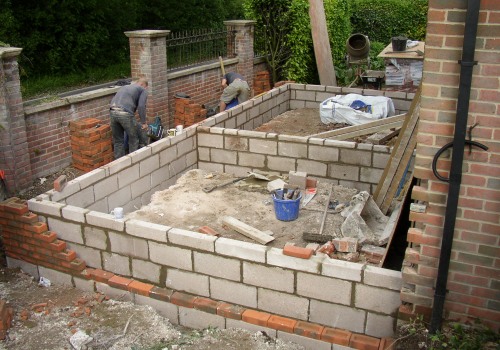
- Site Preparation: When adding on, site preparation is essential. This may include landscaping adjustments or even minor excavation work, depending on the extension's location.
- Integration with Existing Structure: A significant advantage of adding on is the ability to seamlessly integrate the new space with your existing home. However, this can also lead to increased costs if extensive architectural work is needed to ensure a cohesive design.
-
Material Costs: Depending on the materials chosen for the extension, costs can vary widely.
High-quality materials may enhance aesthetics but will also increase your budget.
Real-Life Examples
For instance, a homeowner in London opted for a single story extension cost of approximately £30,000 to create a spacious kitchen-diner. In contrast, another homeowner in Manchester chose to build upwards, resulting in costs exceeding £50,000 due to the need for structural reinforcements and complex roofing work. Ultimately, while building up may seem appealing for maximising space without expanding your footprint, adding on often proves more cost-effective when considering all associated expenses. Careful planning and consultation with professionals can help you navigate these options effectively.
Factors Influencing Cost-Effectiveness
When considering whether to build up or add on to your home, several factors can significantly influence the overall cost-effectiveness of each option. Understanding these factors is crucial for homeowners aiming to make informed decisions regarding their renovation projects.Structural Integrity
The existing structure of your home plays a pivotal role in determining the feasibility and cost of either option.If your home has a solid foundation and sound structural integrity, building up may be more viable and less expensive. However, if the current structure requires reinforcement to support additional weight, this can lead to increased costs. Homeowners should consider:
- Foundation Strength: Assess whether the existing foundation can handle the extra load of a second storey.
- Roof Condition: Evaluate if the roof needs repairs or modifications to accommodate a new level.
- Building Materials: The type of materials used in your current structure can affect how easily you can add on or build up.
Local Regulations and Permits
Local building codes and regulations can also impact the single story extension cost. Different areas have varying rules regarding height restrictions, zoning laws, and required permits.Homeowners should:
- Research Local Codes: Understand what is permissible in your area before starting any project.
- Permit Costs: Factor in the costs associated with obtaining necessary permits, which can vary significantly by location.
- Consult Local Authorities: Engaging with local building authorities early in the planning process can help avoid costly delays.
Market Conditions
The current real estate market can also influence renovation costs. In a competitive housing market, demand for skilled contractors may drive up labour costs. Additionally, fluctuations in material prices due to supply chain issues or economic conditions can affect overall expenses. Homeowners should consider:- Contractor Availability: High demand for contractors may lead to increased labour costs and longer wait times.
- Material Costs: Keep an eye on market trends for construction materials to budget effectively.
- Seasonal Variations: Certain times of the year may offer better pricing for renovations due to lower demand.
Consulting Professionals: Why It Matters
When contemplating a home extension, whether it involves building up or adding on, consulting with professionals is a crucial step that can significantly influence the outcome of your project.Engaging with experienced contractors and architects not only provides you with expert insights but also helps you navigate the complexities associated with construction and renovation.
Understanding Your Needs
Before any construction begins, it’s essential to have a clear understanding of your needs and expectations. A professional consultation allows you to articulate your vision while receiving tailored advice based on your specific circumstances. During these discussions, professionals can help you identify:
- Your budget constraints, including the single story extension cost.
- The structural integrity of your existing home and its capacity to support additional weight if building up.
- The potential impact on your property’s value and aesthetics.
- Local building regulations and zoning laws that may affect your plans.
Expertise in Design and Planning
Consulting with professionals also brings invaluable design expertise to the table. Architects and designers can help you envision how the new space will integrate with your existing home, ensuring that the extension complements the overall style and functionality.
They can provide:
- 3D renderings or sketches to visualise the proposed changes.
- Advice on materials that will be both cost-effective and durable.
- Suggestions for optimising space, light, and flow within your home.
Navigating Permits and Regulations
One of the most daunting aspects of home extensions is dealing with local regulations and obtaining necessary permits. Professionals are well-versed in these processes and can assist you in:
- Understanding what permits are required for your specific project.
- Preparing and submitting applications to local authorities.
- Ensuring compliance with safety standards and building codes.
Cost Management
A significant advantage of consulting professionals is their ability to provide accurate cost estimates. They can break down the single story extension cost, helping you understand where your money will go. This transparency allows for better financial planning and can prevent unexpected expenses during construction.
Conclusion
In summary, consulting with professionals is not just a recommendation; it is an essential part of the planning process for any home extension project.
Their expertise can guide you through every stage, from initial design concepts to final execution, ensuring that your vision becomes a reality while staying within budget and adhering to regulations. By investing time in professional consultations, you set the foundation for a successful home renovation that meets both your needs and aspirations.
Case Studies: Real-Life Examples of Home Extensions
To better understand the implications of choosing between building up or adding on, let’s explore some real-life case studies that illustrate the experiences of homeowners who have undertaken these projects.Case Study 1: The Johnson Family - Building Up
The Johnsons, a family of four living in a suburban area, faced a common dilemma: their single-storey home was becoming cramped as their children grew. After careful consideration, they opted to build a second storey rather than extend outwards. The decision was influenced by their desire to maintain their garden space and avoid the disruption of a larger footprint. The total single story extension cost for their project was approximately £120,000, which included structural reinforcements and the addition of a staircase.The family reported that while the initial costs were significant, the value added to their home was substantial, with estimates suggesting an increase in property value by around £200,000 post-renovation. They appreciated the new bedrooms and a dedicated office space, which enhanced their quality of life.
Case Study 2: The Smiths - Adding On
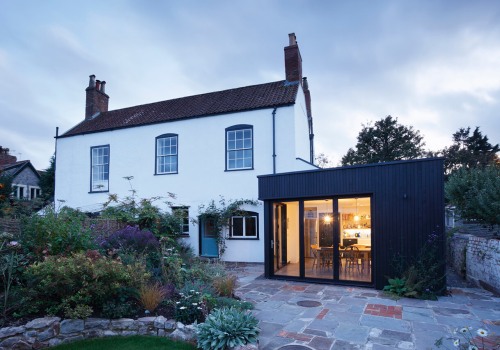
In contrast, the Smiths decided to add an extension to their existing home. Living in a historic neighbourhood where building regulations were strict, they found that extending outwards was more feasible than going up. Their project involved adding a spacious kitchen and dining area at the back of their house. The single story extension cost for this project came to around £80,000.This included high-quality materials to match the existing structure and extensive landscaping to integrate the new space with their garden. The Smiths found that this option allowed them to create an open-plan living area that suited their lifestyle without compromising on outdoor space. They noted that while they faced challenges with planning permissions, the end result was worth it as it transformed how they used their home.
Case Study 3: The Parkers - A Hybrid Approach
The Parkers took a unique approach by combining both strategies; they built up over part of their garage while also extending outwards for a new living room. This hybrid solution allowed them to maximise space without overwhelming their plot. The total cost for this dual project was approximately £150,000.They highlighted that this approach not only provided them with additional bedrooms but also created a seamless flow between indoor and outdoor spaces. Their experience showed that with careful planning and consultation with professionals, homeowners could achieve a balanced solution that met both aesthetic and functional needs. These case studies illustrate that whether building up or adding on, each choice comes with its own set of challenges and rewards. Homeowners should consider their specific circumstances, including budget constraints and lifestyle needs, when making such significant decisions.
Common Misconceptions About Home Extensions
When considering home extensions, many homeowners are often influenced by misconceptions that can cloud their judgment. Understanding the realities behind these myths is crucial for making informed decisions about your renovation project.-
Myth 1: Home Extensions Are Always Expensive
Many believe that any form of extension, including a single story extension, will break the bank.While costs can vary significantly based on size, materials, and location, there are budget-friendly options available. A well-planned single story extension can be surprisingly cost-effective, especially when compared to the expenses associated with moving to a larger property.
-
Myth 2: Building Up Is Always Cheaper Than Adding On
While building upwards may seem like a more economical choice, this isn't universally true. The cost of a single story extension can sometimes be lower than the expenses incurred when reinforcing foundations for a second floor. Each project is unique, and factors such as structural integrity and local regulations play a significant role in determining overall costs. -
Myth 3: Extensions Will Decrease Property Value
Some homeowners fear that adding an extension will negatively impact their property’s value.In reality, a well-executed extension can enhance your home’s market appeal and increase its value. Buyers often look for additional space, and a thoughtfully designed extension can make your property more attractive.
-
Myth 4: You Need Planning Permission for Every Extension
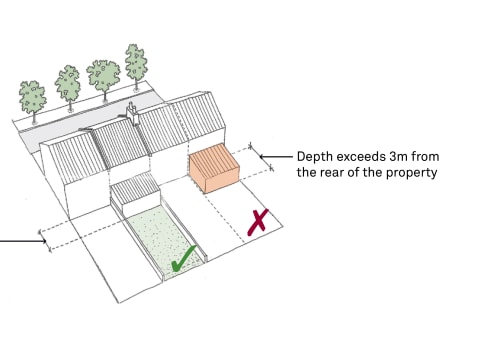
While many extensions do require planning permission, not all do. Certain types of extensions fall under permitted development rights, allowing homeowners to expand their properties without the lengthy approval process. It’s essential to consult with local authorities or a professional to understand what is permissible in your area. -
Myth 5: Extensions Are Too Disruptive
Homeowners often worry about the disruption caused by construction work.However, with proper planning and communication with contractors, the process can be managed effectively. Many builders strive to minimise disruption and complete projects within a reasonable timeframe.
Conclusion: Making the Right Choice for Your Home Extension
In conclusion, the decision between building up or adding on to your home is not merely a financial one; it encompasses a range of personal and structural considerations that can significantly impact your living environment. Each option presents its own set of advantages and challenges, making it essential to evaluate your unique circumstances before proceeding.Building Up
offers the potential for increased living space without expanding your home's footprint.
This can be particularly advantageous in urban areas where land is at a premium. However, it often involves complex structural modifications, including reinforcing foundations and addressing roofing challenges. The single story extension cost can be lower than anticipated if you already have a robust structure capable of supporting additional weight. On the other hand, Adding On allows for greater flexibility in design and can seamlessly integrate with your existing home. This approach often results in less disruption to your daily life during construction, as it typically requires less extensive work on the existing structure.
However, it may lead to higher costs if significant alterations are needed to ensure aesthetic harmony between the old and new sections. Ultimately, the choice should reflect not only your budget but also your lifestyle needs and long-term goals. Consider factors such as:
- Your current and future space requirements
- The condition of your existing home
- Your neighbourhood's regulations and property values
- The potential impact on your daily life during construction
- Your personal preferences regarding design and functionality