single story extension cost
Maximizing Space: A Comprehensive Guide to the 45-Degree Rule for Single Storey Extensions and Their Costs
Learn about the 45-degree rule for single storey extensions and how it affects costs and planning permissions.
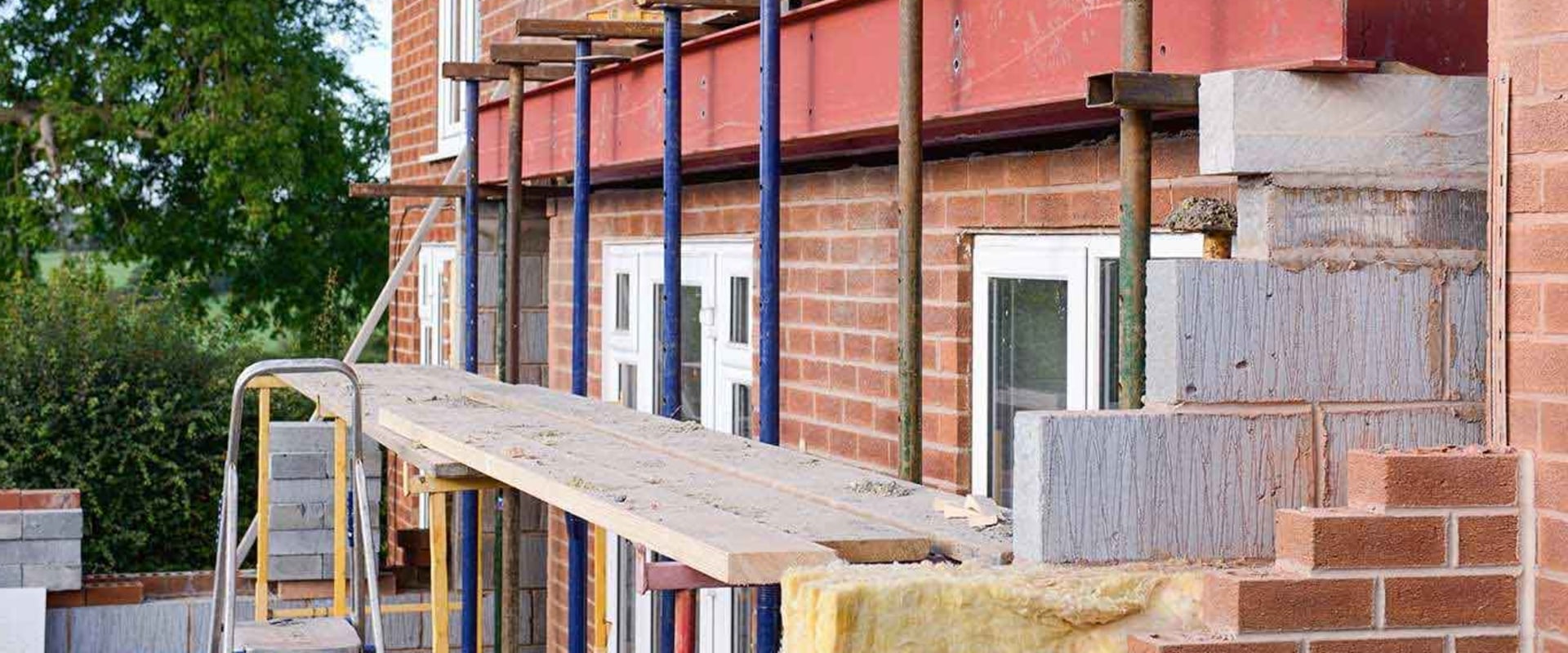
When considering a single storey extension, understanding the intricacies of the 45-degree rule is essential for homeowners and builders alike. This rule serves as a critical guideline within planning regulations, designed to protect the rights of neighbouring properties by ensuring that new developments do not unduly obstruct natural light. The significance of this rule cannot be overstated, as it directly influences both the feasibility of your extension project and the associated costs. The 45-degree rule stipulates that any extension must not exceed a 45-degree angle from the nearest edge of a neighbouring window. This means that when planning your extension, you must carefully consider its height and depth in relation to adjacent properties.
By adhering to this guideline, you can avoid potential disputes with neighbours and reduce the likelihood of planning permission being denied. Understanding how this rule applies to your specific situation is crucial, especially if you live in a densely populated area where light access is a common concern. Moreover, the implications of the 45-degree rule extend beyond mere compliance with regulations; they also play a significant role in determining the overall single storey extension cost. Extensions that respect this guideline are more likely to receive swift approval from local planning authorities, which can save time and money in the long run. Conversely, failing to consider this rule may lead to costly redesigns or even legal challenges from neighbours who feel their light has been compromised. In summary, grasping the fundamentals of the 45-degree rule is vital for anyone looking to embark on a single storey extension project.
Not only does it safeguard your neighbours' right to light, but it also streamlines the planning process and helps manage costs effectively. As you delve deeper into your extension plans, keeping this rule at the forefront will ensure a smoother journey towards creating your ideal living space.
What is a Single Storey Extension?
A single storey extension is a type of home improvement that involves adding a new structure to a property, which consists of only one level. This kind of extension is particularly popular among homeowners looking to increase their living space without the complexities and costs associated with multi-storey builds. By extending outwards rather than upwards, homeowners can create additional rooms or enhance existing ones while maintaining the overall aesthetic and functionality of their property. There are several types of single storey extensions, each serving different purposes and catering to various needs:- Rear Extensions: These are built at the back of the house and are ideal for creating larger kitchens, dining areas, or living rooms.
Rear extensions often allow for an open-plan layout, which is highly sought after in modern homes.
- Side Extensions: Constructed on the side of the property, these extensions can be used to add extra rooms or widen existing spaces. Side extensions are particularly beneficial for semi-detached or detached homes where there is sufficient space available.
- Front Extensions: Although less common, front extensions can enhance the entrance of a home or create additional living space. They can also improve curb appeal but may require careful consideration regarding planning permissions and local regulations.
- Wrap-Around Extensions: This type combines both rear and side extensions, effectively wrapping around the back and side of the house. Wrap-around extensions provide significant additional space and can create a seamless flow between indoor and outdoor areas.
Factors such as available space, budget, and intended use should all be considered when deciding on the type of extension to pursue.
The Importance of the 45-Degree Rule in Planning
The 45-degree rule plays a pivotal role in the planning process for any construction project, particularly when it comes to single storey extensions. This guideline is not merely a bureaucratic hurdle; it serves a fundamental purpose in protecting the right to light for neighbouring properties. Understanding its importance can significantly influence the success of your planning application. At its core, the 45-degree rule is designed to ensure that any new development does not obstruct natural light from entering adjacent homes. This is crucial for maintaining the quality of life for those living nearby, as adequate daylight is essential for both physical and mental well-being.When planning an extension, it is vital to consider how your project will impact the light available to your neighbours, as this can lead to disputes and potential refusals of planning permission. When applying for planning permission, local authorities will assess whether your proposed extension adheres to the 45-degree rule. This involves drawing an imaginary line at a 45-degree angle from the nearest edge of any neighbouring window. If your extension crosses this line, it may be deemed too intrusive, leading to a rejection of your application. Therefore, understanding and applying this rule can save you time and resources in the long run. Moreover, adhering to the 45-degree rule fosters good relationships with neighbours.
By considering their right to light during your planning process, you demonstrate respect for their living conditions. This can be particularly beneficial if you need to discuss your plans with them or seek their support during the application process. In summary, the importance of the 45-degree rule cannot be overstated. It not only protects the rights of neighbouring properties but also enhances the likelihood of obtaining planning permission for your single storey extension. By ensuring that your extension complies with this guideline, you contribute positively to your community while also safeguarding your investment in your home.
How the 45-Degree Rule Applies to Single Storey Extensions
Understanding how the 45-degree rule applies to single storey extensions is crucial for homeowners looking to expand their living space while remaining compliant with local planning regulations.This rule is designed to protect the light access of neighbouring properties, ensuring that your extension does not unduly obstruct sunlight from entering their windows. To apply the 45-degree rule effectively, you must first identify the nearest window of your neighbour's property that could be affected by your proposed extension. This is typically the window that serves a habitable room, such as a living room or bedroom. Once identified, you will need to visualize or draw a line at a 45-degree angle from the edge of this window. Here are some practical steps to follow:
- Measure the Distance: Determine the distance from the neighbour's window to the boundary line of your property. This measurement is critical as it will dictate how far back your extension can extend without breaching the 45-degree rule.
- Draw the 45-Degree Line: From the edge of the neighbour's window, draw a line at a 45-degree angle towards your property.
This line will serve as a guideline for how high and deep your extension can be.
- Assess Your Design: Ensure that your proposed extension does not exceed this line. If it does, you may need to adjust your plans, either by reducing the height or depth of the extension.
They can offer insights into any additional considerations or exceptions that may apply in your area. In summary, adhering to the 45-degree rule when planning a single storey extension is essential for maintaining good relations with neighbours and ensuring compliance with local regulations. By carefully measuring and designing your extension within these parameters, you can create a functional and aesthetically pleasing addition to your home without infringing on others' rights to light.
Calculating the Cost of a Single Storey Extension
When considering a single storey extension, understanding the associated costs is crucial for effective budgeting. The overall single storey extension cost can vary significantly based on several factors, which we will explore in detail.Cost Breakdown
The cost of a single storey extension typically includes the following components:- Materials: The choice of materials can greatly influence the overall cost. Common materials include bricks, timber, and glass.
High-quality materials may increase initial costs but can offer better durability and aesthetics.
- Labour: Labour costs can vary depending on the complexity of the project and the local market rates. Hiring experienced builders may incur higher fees but can lead to a more professional finish.
- Planning Fees: If your extension requires planning permission, you will need to factor in the associated fees. These can vary by location and the scale of your project.
- Design Costs: Engaging an architect or designer to create plans for your extension will add to your costs. However, their expertise can ensure that your extension meets all regulations and maximises space effectively.
- Utilities and Services: If your extension requires new plumbing, electrical work, or heating systems, these additional services will also contribute to the overall cost.
Factors Affecting Cost
Several factors can influence the final cost of your single storey extension:- Size and Complexity: Larger extensions or those with complex designs will naturally incur higher costs due to increased material and labour requirements.
- Location: The geographical location of your property can affect both material and labour costs.
Urban areas may have higher rates compared to rural locations.
- Site Conditions: The condition of your existing property and site can impact costs. For example, if extensive groundwork is needed, this will increase expenses.
- Regulatory Requirements: Compliance with local building regulations may necessitate additional work or materials, influencing the overall budget.
Factors Influencing Single Storey Extension Costs
When considering a single storey extension, understanding the various factors that influence costs is crucial for homeowners. These factors can significantly affect the overall budget and should be carefully evaluated before embarking on a project.Location Impact on Costs
The geographical location of your property plays a pivotal role in determining the cost of a single storey extension.Urban areas typically have higher labour and material costs compared to rural locations. This is due to increased demand for construction services in cities, which can drive up prices. Additionally, local regulations and planning permissions can vary, potentially adding to the costs if more stringent requirements are in place.
Design Choices
The design of your extension is another significant factor that can influence costs. A simple, rectangular extension will generally be less expensive than a complex design with multiple angles or features such as vaulted ceilings or large glass installations.Homeowners should consider:
- Materials: The choice of materials can greatly affect the budget. High-end finishes like natural stone or bespoke windows will increase costs compared to standard options.
- Size: Naturally, larger extensions will incur higher costs due to increased material and labour requirements.
- Functionality: Extensions designed for specific purposes, such as a kitchen or bathroom, may require additional plumbing and electrical work, further impacting the overall cost.
Additional Variables
Other variables that can affect the cost include:- Site Conditions: The condition of your existing property and land can influence costs. If extensive groundwork is needed, such as excavation or foundation work, this will add to the overall expense.
- Professional Fees: Engaging architects, designers, and builders will incur additional fees. It’s essential to factor these into your budget from the outset.
- Timeframe: If you require a quick turnaround, you may need to pay a premium for expedited services.
Common Mistakes to Avoid When Planning Extensions
When embarking on a project to extend your home, it’s crucial to navigate the planning process with care.Many homeowners fall into common traps that can lead to delays, increased single story extension costs, and even the rejection of planning applications. Here are some frequent mistakes to avoid:
- Neglecting Local Regulations: One of the most significant errors is failing to understand local planning regulations. Each council has specific guidelines regarding extensions, including size limits and design aesthetics. Always check with your local planning authority before proceeding.
- Ignoring Neighbour Concerns: Not considering how your extension will affect your neighbours can lead to disputes.
Engaging with them early in the process can help mitigate issues related to light obstruction or privacy concerns, which may otherwise complicate your planning application.
- Underestimating Costs: Many homeowners overlook the total costs associated with an extension. Beyond construction, consider fees for planning applications, potential legal costs, and any necessary surveys. A detailed budget will help you avoid financial strain later on.
- Overlooking Design Integration: An extension should complement the existing structure. Failing to consider architectural harmony can result in a disjointed appearance that may not be well-received by planners or neighbours.
- Rushing the Planning Process: Taking shortcuts in the planning phase can lead to mistakes that are costly to rectify.
Allow ample time for research, consultations, and revisions to ensure a smooth approval process.
Consulting with Professionals: Architects and Builders
When embarking on a project like a single storey extension, the importance of consulting with professionals such as architects and builders cannot be overstated. Their expertise not only streamlines the process but also ensures that your vision is realised effectively and efficiently.Understanding the Role of Architects
- Design Expertise: Architects bring a wealth of design knowledge to the table. They can help you maximise space, ensuring that your extension is both functional and aesthetically pleasing.
Their understanding of proportions, materials, and light can transform your ideas into a coherent plan.
- Regulatory Knowledge: Navigating planning regulations can be daunting. Architects are well-versed in local planning laws, including the 45-degree rule, which is crucial for ensuring that your extension does not infringe on your neighbours' rights to light. They can prepare the necessary documentation and liaise with local authorities on your behalf.
- Project Management: An architect can oversee the entire project, coordinating between various stakeholders, including builders and suppliers. This oversight helps to keep the project on schedule and within budget.
The Importance of Hiring Builders
- Quality Craftsmanship: Experienced builders possess the skills necessary to execute your architect's designs accurately.
Their craftsmanship directly impacts the quality and longevity of your extension.
- Cost Efficiency: While it may seem tempting to cut costs by hiring less experienced builders, this can lead to costly mistakes down the line. Professional builders understand how to source materials effectively and manage labour costs, ultimately saving you money.
- Problem-Solving Skills: Construction projects often encounter unexpected challenges. Skilled builders are adept at troubleshooting issues as they arise, ensuring that your project remains on track.
The Value of Professional Advice
Consulting with professionals not only enhances the quality of your extension but also provides peace of mind. Their insights can help you avoid common pitfalls, such as underestimating costs or failing to comply with regulations.
By investing in professional advice from architects and builders, you are more likely to achieve a successful outcome that meets both your needs and those of your neighbours. In conclusion, engaging with architects and builders is an essential step in planning a single storey extension. Their expertise can save you time, money, and stress, allowing you to focus on enjoying your newly expanded living space.
FAQs About Single Storey Extensions and Costs
When considering a single storey extension, many homeowners have questions regarding the process, costs, and planning permissions. Below are some of the most frequently asked questions that can help clarify these concerns.What is the average cost of a single storey extension?
The cost of a single storey extension can vary significantly based on several factors, including size, materials, and location. On average, homeowners can expect to pay between £1,200 and £2,000 per square metre.This means that a typical 20 square metre extension could cost anywhere from £24,000 to £40,000. However, it’s essential to obtain multiple quotes from builders to get a more accurate estimate tailored to your specific project.
Do I need planning permission for a single storey extension?
In many cases, you may not need planning permission if your single storey extension falls within permitted development rights. These rights allow certain types of extensions without the need for formal approval, provided they meet specific criteria. However, if your extension exceeds certain dimensions or affects the light and privacy of neighbouring properties, you will likely need to apply for planning permission.Always check with your local council for guidance.
How long does it take to get planning permission?
The duration for obtaining planning permission can vary but typically takes around 8 to 12 weeks from the date of application submission. Factors such as the complexity of your project and any objections from neighbours can influence this timeline. It’s advisable to factor in this waiting period when planning your extension.What factors can affect the cost of my extension?
- Design complexity: More intricate designs may require additional labour and materials.
- Location: Costs can vary based on regional pricing differences in labour and materials.
- Materials used: High-quality or bespoke materials will increase overall costs.
- Site conditions: If your property has challenging access or ground conditions, this may raise costs.
Can I live in my home during the construction?
Yes, many homeowners choose to remain in their properties during construction. However, it’s important to consider that there may be noise and disruption during this time.Planning ahead and discussing timelines with your builder can help mitigate any inconvenience. If you have further questions about single storey extensions, consulting with a professional builder or architect can provide tailored advice specific to your situation.
Conclusion: Key Takeaways on the 45-Degree Rule and Extension Costs
In conclusion, understanding the 45-degree rule is crucial for anyone considering a single storey extension. This regulation not only protects the rights of your neighbours but also ensures that your extension does not adversely affect the natural light entering their properties. By adhering to this guideline, you can avoid potential disputes and complications during the planning process. As we have discussed, the 45-degree rule applies specifically to the height and depth of your proposed extension in relation to adjacent windows. It is essential to measure accurately and consider the orientation of your property, as well as the positioning of your neighbours' windows.This will help you design an extension that complies with local planning regulations while maximising your living space. Moreover, when planning a single storey extension, it is vital to factor in the associated costs. The overall single story extension cost can vary significantly based on several factors, including:
- The size and complexity of the design
- The materials used for construction
- Labour costs in your area
- Any additional features such as windows or skylights
- Potential fees for planning permission and building regulations