single story extension cost
Comprehensive Guide to Budgeting for a Single-Story Extension: Understanding Costs and Considerations
Discover essential tips for budgeting your single-story extension, including costs, planning permission, and contractor selection.
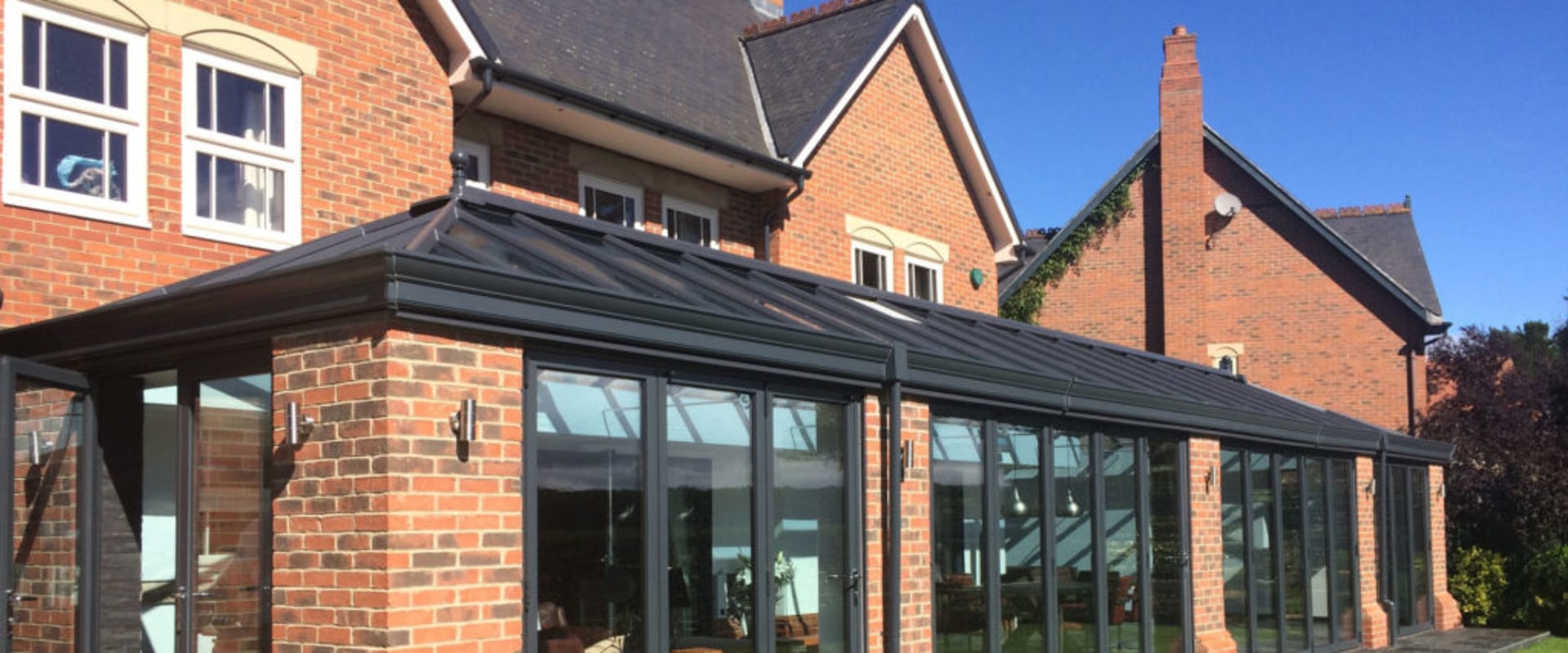
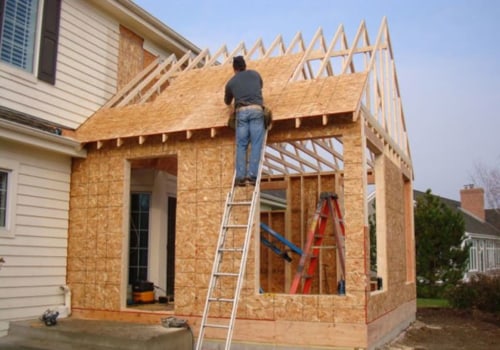
A single-story extension is a popular choice for homeowners looking to enhance their living space without the complexities of a multi-storey build. This type of extension typically involves adding a new room or expanding an existing one on the ground floor, making it an ideal solution for those who want to increase their home’s functionality while maintaining a cohesive look with the existing structure. Whether you’re considering a spacious kitchen, a sunlit conservatory, or an additional living area, single-story extensions offer a versatile way to achieve your goals. The benefits of opting for a single-story extension are numerous. Firstly, they can significantly increase the value of your property, making it more appealing to potential buyers in the future.
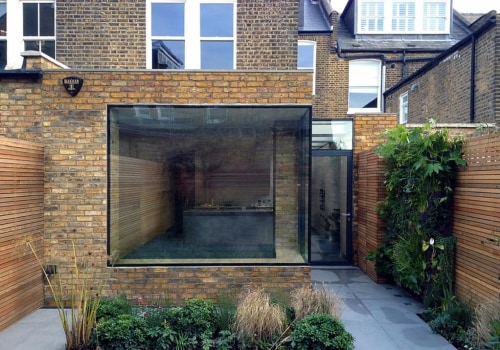
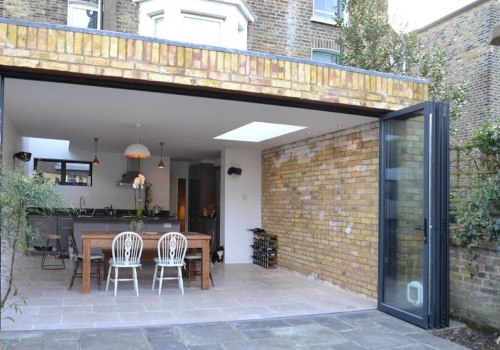
Additionally, these extensions often require less planning permission than larger builds, streamlining the process and allowing for quicker project completion. Furthermore, they can enhance your home’s energy efficiency by incorporating modern materials and designs that improve insulation and reduce heating costs. There are various types of single-story extensions to consider, each catering to different needs and preferences. For instance, a rear extension can create an open-plan living space that seamlessly connects with your garden, perfect for entertaining or family gatherings. Alternatively, a side extension can provide additional room without encroaching on outdoor space, making it suitable for narrower plots.
Wrap-around extensions , which combine both rear and side elements, offer even more flexibility and can transform the layout of your home entirely. Understanding the different types of single-story extensions and their benefits is crucial as you embark on this journey. With careful planning and budgeting, you can create a space that not only meets your current needs but also enhances your home’s overall appeal and functionality.
Factors Influencing Single-Story Extension Costs
When planning a single-story extension, understanding the various factors that influence the overall cost is crucial for effective budgeting. Each element of the project can significantly impact the final price, and being aware of these can help you make informed decisions.Construction Materials
The choice of construction materials is one of the most significant factors affecting the cost of your extension. High-quality materials may come with a higher price tag, but they often provide better durability and aesthetic appeal.Common materials include:
- Bricks and Blocks: Traditional bricks are durable but can be more expensive than concrete blocks.
- Timber: Often used for framing, timber can vary in cost depending on the type and quality.
- Roofing Materials: Options range from standard tiles to premium slate or flat roofing systems, each with different costs.
- Windows and Doors: Energy-efficient options may have a higher upfront cost but can save money in the long run through reduced energy bills.
Labour Costs
Labour costs can vary widely based on location, the complexity of the project, and the experience level of the contractors. In urban areas, labour rates tend to be higher due to increased demand. Additionally, if your project requires specialised skills—such as electrical or plumbing work—this can further increase costs. It's advisable to obtain multiple quotes from contractors to ensure you are getting a fair price.Design Complexity
The complexity of your design will also play a significant role in determining costs.A straightforward extension with a simple rectangular shape will generally be less expensive than a more intricate design featuring multiple angles or custom features. Considerations include:
- Open-Plan Layouts: These may require additional structural support, increasing both material and labour costs.
- Custom Features: Elements like skylights, bi-fold doors, or bespoke cabinetry can add to your budget.
- Foundation Requirements: If your extension requires extensive groundwork or special foundations due to soil conditions, this will also impact costs.
Estimating Your Budget: A Step-by-Step Guide
Estimating a budget for your single-story extension is a crucial step in ensuring that your project runs smoothly and stays within financial limits. Here’s a comprehensive guide to help you navigate the budgeting process effectively.1.Define Your Goals and Requirements
- Before diving into numbers, clarify what you want from your extension.
Consider the purpose of the space—will it be a new living room, kitchen, or perhaps a home office?
- List the essential features you desire, such as windows, doors, and any specific materials.
2.Research Average Costs
- Understanding the average costs associated with single-story extensions in your area is vital. Typically, costs can range from £1,500 to £2,200 per square meter depending on quality and complexity.
- Consult local builders or online resources to gather data on recent projects similar to yours.
3.Create a Detailed Cost Breakdown
- Construction Costs: This includes materials, labour, and any subcontractor fees.
- Design Fees: If you’re hiring an architect or designer, factor in their fees as well.
- Planning Permission: Don’t forget to include potential costs for obtaining planning permission from your local council.
- Contingency Fund: It’s wise to set aside 10-15% of your total budget for unexpected expenses that may arise during construction.
4.Use Cost Estimation Methods
- Square Meter Method: Multiply the total area of your extension by the average cost per square meter to get a rough estimate.
- Detailed Itemised Estimate: For a more accurate budget, create an itemised list of all expected costs based on quotes from contractors and suppliers.
5.Consult Professionals
Engaging with experienced builders or quantity surveyors can provide invaluable insights into realistic budgeting. They can help refine your estimates and ensure that you haven’t overlooked any critical expenses.
6.Review and Adjust Your Budget Regularly
Your budget should be a living document that you review regularly throughout the project. As you receive quotes and make decisions, adjust your budget accordingly to reflect any changes in scope or costs. By following these steps, you can create a well-informed budget for your single-story extension that aligns with your vision while keeping financial surprises at bay.
Planning Permission and Its Impact on Costs
When considering a single-story extension, one of the most critical steps is obtaining the necessary planning permission.This process is not merely a formality; it plays a significant role in determining the overall cost and feasibility of your project. Failing to secure the appropriate permissions can lead to costly delays, fines, or even the requirement to dismantle any unauthorized work.
Understanding Planning Permission
Planning permission is a legal requirement in the UK for most building projects, including extensions. It ensures that any development aligns with local planning policies and regulations. The criteria for approval can vary significantly depending on your location, the size of your extension, and its impact on the surrounding area.
Costs Associated with Planning Permission
The costs of applying for planning permission can vary widely.
Typically, you can expect to pay:
- Application Fees: These fees generally range from £200 to £500, depending on the scale and complexity of your project.
- Professional Fees: If you choose to hire an architect or planning consultant to assist with your application, their fees can add another £500 to £2,000 to your budget.
- Additional Costs: You may also incur costs for surveys or reports required by your local council, such as ecological assessments or structural surveys.
The Application Process
Applying for planning permission involves several steps:
- Research Local Regulations: Before submitting an application, familiarize yourself with local planning policies. This information is usually available on your local council's website.
- Prepare Your Plans: Create detailed plans and drawings of your proposed extension. This may require professional assistance to ensure compliance with regulations.
- Submit Your Application: Complete the application form and submit it along with your plans and any required documentation.
- Await Decision: The local council will typically take 8-12 weeks to review your application and make a decision.
- Address Any Issues: If your application is refused, you have the option to appeal or modify your plans and reapply.
Choosing the Right Contractor: What to Look For
When embarking on a project as significant as a single-storey extension, selecting the right contractor is crucial to ensure that your vision is realised effectively and within budget.Here are some essential factors to consider when choosing a contractor for your extension.
Key Qualifications to Look For
- Experience: Look for contractors who have a proven track record in building single-storey extensions. Their experience will provide insights into potential challenges and solutions.
- Licensing and Insurance: Ensure that the contractor holds the necessary licenses and insurance. This protects you from liability in case of accidents or damages during the construction process.
- References and Reviews: Ask for references from previous clients and check online reviews. This will give you an idea of their reliability, quality of work, and customer service.
- Specialisation: Some contractors may specialise in specific types of extensions or materials.
Choose one whose expertise aligns with your project requirements.
Questions to Ask Potential Contractors
Once you have shortlisted potential contractors, it’s essential to ask the right questions to gauge their suitability:- Can you provide a detailed quote? A comprehensive quote should outline all costs involved, including materials, labour, and any additional fees.
- What is your estimated timeline for completion? Understanding the timeline helps you plan accordingly and sets expectations for when the project will be finished.
- How do you handle unexpected issues? Inquire about their approach to unforeseen problems that may arise during construction, such as delays or budget overruns.
- Will you be managing the project personally? It’s important to know if the contractor will oversee the work directly or if they will delegate tasks to subcontractors.
- What warranties do you offer? A reputable contractor should provide warranties on both workmanship and materials used in your extension.
Cost-Saving Tips for Your Single-Story Extension
When planning a single-story extension, keeping costs manageable is essential without sacrificing quality. Here are some effective cost-saving tips to consider:- Choose Budget-Friendly Materials: Opt for materials that offer durability without the hefty price tag. For instance, instead of expensive hardwood flooring, consider laminate or engineered wood that mimics the look of real wood at a fraction of the cost.
- Limit Structural Changes: The more you alter the existing structure, the higher the costs.
Try to design your extension in a way that requires minimal changes to the current layout. This can significantly reduce both labour and material expenses.
- Utilise Standard Sizes: Custom-built elements can drive up costs. Whenever possible, use standard sizes for windows, doors, and fixtures. This not only saves money but also simplifies installation.
- Consider Open-Plan Designs: An open-plan layout can reduce the need for additional walls and doors, which can lower both material and labour costs.
It also creates a spacious feel, enhancing the overall aesthetic of your extension.
- DIY Where Possible: If you have some skills or are willing to learn, consider taking on smaller tasks yourself, such as painting or landscaping. This can save you a significant amount on labour costs.
- Shop Around for Contractors: Don’t settle for the first quote you receive. Get multiple estimates from different contractors and compare their services and prices. Look for reviews and ask for references to ensure quality work at a reasonable price.
- Plan for Energy Efficiency: Investing in energy-efficient materials and appliances may have a higher upfront cost but will save you money in the long run through reduced energy bills.
Consider double-glazed windows and proper insulation to enhance energy efficiency.
Common Mistakes to Avoid When Budgeting
When planning a single-story extension, homeowners often fall into various budgeting traps that can lead to overspending or inadequate financial planning. Recognising these common mistakes can help you navigate the budgeting process more effectively and ensure your project remains within financial limits.1.Underestimating Costs
A frequent error is underestimating the total costs associated with a single-story extension. Many homeowners focus solely on construction expenses, neglecting additional costs such as:- Planning permission fees
- Architectural design costs
- Landscaping and interior finishing
- Utility connections and modifications
- Contingency funds for unexpected expenses
2.Failing to Set a Contingency Fund
Another common mistake is not allocating a contingency fund for unforeseen circumstances.Construction projects often encounter unexpected challenges, such as:
- Delays due to weather conditions
- Unforeseen structural issues
- Changes in material prices
3.Ignoring Quality for Cost
While it’s essential to stick to your budget, compromising on quality to save money can lead to higher costs in the long run. Opting for cheaper materials or inexperienced contractors may result in:- Poor workmanship that requires costly repairs
- Shorter lifespan of materials used
- Increased energy bills due to inefficient installations
4.Not Researching Contractors Thoroughly
Selecting the right contractor is crucial for staying within budget. Many homeowners make the mistake of choosing contractors based solely on price rather than their experience and reputation.To avoid this:
- Request multiple quotes and compare them carefully.
- Check references and read reviews from previous clients.
- Ensure the contractor has experience with single-story extensions specifically.
5.Overlooking Planning Regulations
Lastly, failing to consider local planning regulations can lead to significant delays and additional costs. Before starting your project, ensure you:- Understand local building codes and regulations.
- Obtain necessary planning permissions well in advance.
- Consult with professionals who are familiar with local requirements.
FAQs About Single-Story Extension Costs
When considering a single-story extension, many homeowners have questions regarding the associated costs. Here are some of the most frequently asked questions that can help clarify your concerns and guide your budgeting process.What factors influence the cost of a single-story extension?
The cost of a single-story extension can vary significantly based on several key factors:- Size and Scope: The larger the extension, the higher the overall cost. Consider how much space you need and whether you want to include additional features like skylights or bi-fold doors.
- Materials: The choice of materials can greatly affect your budget.
High-quality materials may increase initial costs but can offer better durability and aesthetics.
- Location: Costs can differ based on where you live. Urban areas may have higher labour and material costs compared to rural locations.
- Design Complexity: A simple rectangular extension will generally be less expensive than a more complex design with multiple angles or levels.
How much should I budget for a single-story extension?
As a general guideline, you can expect to pay between £1,500 and £2,200 per square metre for a single-story extension, depending on the quality of materials and finishes you choose. For example:- Basic Quality: £1,500 - £1,900 per square metre
- Mid-Range Quality: £1,900 - £2,200 per square metre
Are there hidden costs I should be aware of?
Yes, there are often hidden costs that can arise during the construction process. These may include:- Planning Permission Fees: Depending on your local council's regulations, you may need to pay for planning permission or building regulations approval.
- Site Preparation: Costs for clearing the site or dealing with unexpected issues like poor soil conditions can add to your budget.
- Utilities and Services: If your extension requires new plumbing or electrical work, these costs should be factored in as well.
Conclusion: Key Takeaways for Budgeting Your Extension Project
In summary, embarking on a single-story extension project is an exciting opportunity to enhance your living space and increase the value of your home.However, it is essential to approach this venture with a well-thought-out budget and a clear understanding of the associated costs. Key considerations when budgeting for your extension include:
- Understanding Costs: The cost of a single-story extension can vary significantly based on factors such as size, materials, and design complexity. On average, you can expect to pay between £1,500 and £2,200 per square meter, depending on the quality of finishes and features.
- Planning Permission: Before commencing any construction, ensure you have obtained the necessary planning permissions from your local council. This process can add to your overall costs and timeline, so factor it into your budget early on.
- Choosing the Right Contractor: Selecting a reputable contractor with experience in single-story extensions is crucial.
Their expertise can help you avoid common pitfalls and ensure that your project stays within budget.
- Material Selection: The choice of materials can significantly impact your overall costs. Discuss options with your contractor to find a balance between quality and affordability.
- Future Needs: Consider how you plan to use the new space in the future. Investing in features that enhance functionality can save you money in the long run.
Remember, each extension is unique; therefore, tailor your approach to fit your specific circumstances for the best results.