single story extension cost
Understanding the Importance of Proper Foundations for a Single-Storey Extension: Costs and Considerations
Discover the importance of proper foundations for single-storey extensions, including costs, types, and essential considerations for your project.
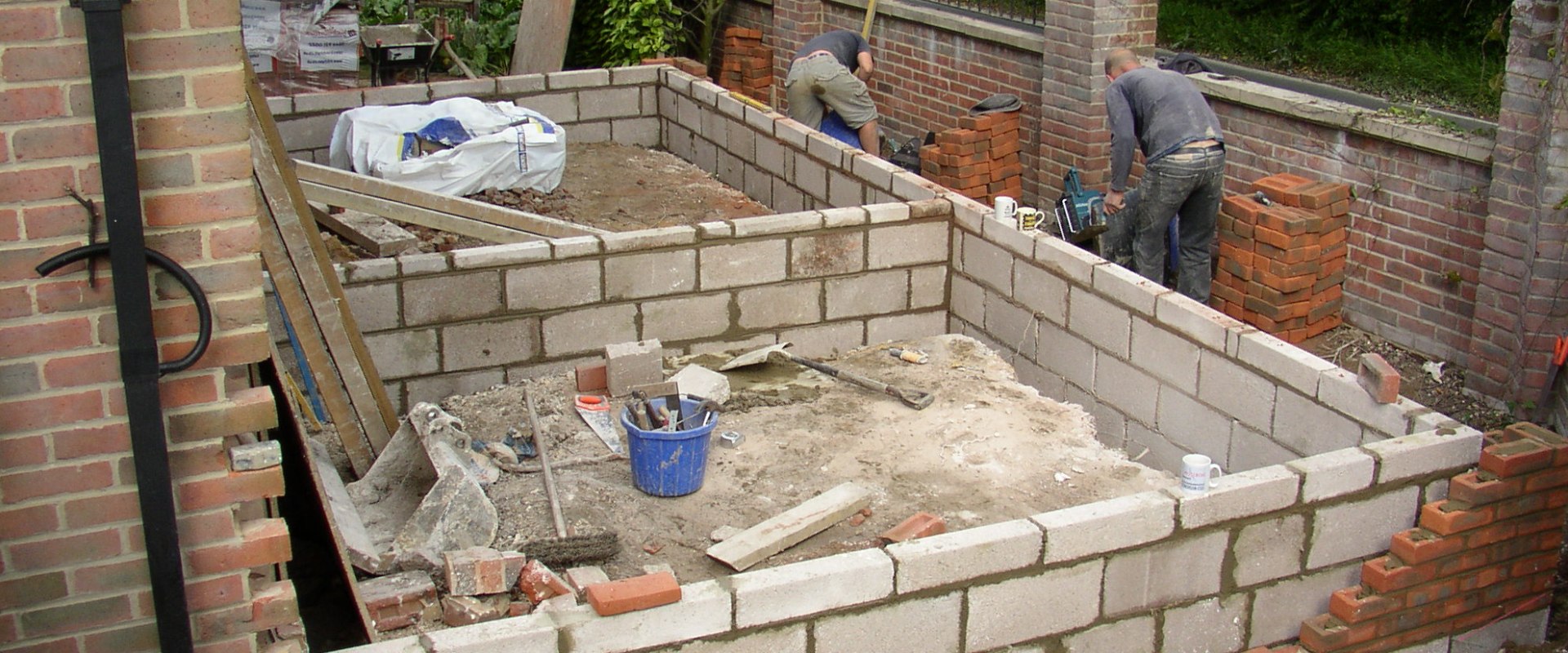
In recent years, the popularity of single-storey extensions has surged among homeowners looking to enhance their living space without the complexities of moving. These extensions offer a practical solution for families needing extra room, whether for a growing family, a home office, or simply to create a more open and inviting environment. However, while the aesthetic and functional benefits of a single-storey extension are often highlighted, the significance of proper foundations cannot be overstated. Foundations serve as the bedrock of any construction project, and this is particularly true for single-storey extensions. The right foundation not only supports the weight of the structure but also ensures its stability over time.
A well-constructed foundation can prevent issues such as subsidence, cracking walls, and water ingress, which can lead to costly repairs down the line. Therefore, understanding the importance of foundations is crucial for anyone considering a single-storey extension. Moreover, the cost of a single-storey extension can vary significantly based on several factors, including the type of foundation chosen. Homeowners must consider not just the initial outlay but also the long-term implications of their choices. Investing in high-quality foundations may seem like an added expense at first, but it can save money in maintenance and repairs in the future.
As we delve deeper into this topic, we will explore the various types of foundations available for single-storey extensions and how they impact both cost and overall project success.
Understanding Single-Storey Extensions
A single-storey extension is a popular choice for homeowners looking to enhance their living space without the complexities and costs associated with multi-storey builds. This type of extension typically involves adding a new room or expanding an existing one on the ground floor, making it an ideal solution for those who want to increase their home’s functionality while maintaining a cohesive look with the existing structure. There are several types of single-storey extensions, each catering to different needs and preferences:- Rear Extensions: These are built at the back of the property and are perfect for creating open-plan living spaces, such as kitchens or dining areas that flow into the garden.
- Side Extensions: These extensions expand the width of the house and can be used to create additional rooms, such as a study or utility room, while also enhancing the overall aesthetic of the property.
- Wrap-Around Extensions: Combining both rear and side extensions, this option offers maximum space and flexibility, allowing homeowners to create expansive living areas that can be tailored to their lifestyle.
- Porch Extensions: A smaller option that adds a welcoming entrance to your home, porch extensions can also provide additional storage space.
Secondly, single-storey extensions often require less planning permission compared to larger builds, making them a more straightforward option for homeowners. Moreover, these extensions allow for greater natural light and improved ventilation when designed with large windows or bi-fold doors. This can create a more inviting atmosphere within your home. Additionally, they offer flexibility in design; whether you prefer a modern aesthetic or something more traditional, there are countless options available to suit your taste. In summary, a single-storey extension is an excellent way to enhance your home’s functionality and aesthetic appeal while potentially increasing its market value. With various types available and numerous benefits to consider, it’s no wonder that many homeowners are choosing this route for their renovation projects.
The Role of Foundations in Construction
When considering a single-storey extension, the significance of robust foundations cannot be overstated.Foundations serve as the bedrock of any construction, ensuring that the structure remains stable and secure over time. Without proper foundations, even the most aesthetically pleasing extension can suffer from serious issues, including subsidence, cracking, and even structural failure. There are several types of foundations commonly used in single-storey extensions, each with its own advantages and suitability depending on the specific site conditions:
- Strip Foundations: These are the most common type of foundation for single-storey extensions. They consist of a continuous strip of concrete that supports load-bearing walls. Strip foundations are ideal for stable soil conditions and provide excellent support for lightweight structures.
- Pad Foundations: Used primarily for supporting individual columns or posts, pad foundations are square or rectangular blocks of concrete.
They are particularly useful in situations where the load is concentrated at specific points, such as in open-plan designs.
- Raft Foundations: A raft foundation is a large concrete slab that supports the entire structure. This type is beneficial in areas with poor soil conditions or where there is a risk of differential settlement. Raft foundations distribute the weight of the building evenly across a larger area.
- Piled Foundations: In cases where the soil is unstable or has low bearing capacity, piled foundations may be necessary. This method involves driving long columns (piles) deep into the ground to reach more stable soil layers.
Piled foundations are often used in challenging terrains or near water bodies.
Therefore, engaging experienced professionals who understand local geology and building codes is vital when planning your single-storey extension. In conclusion, investing time and resources into selecting and constructing the right foundation is critical for any single-storey extension project. The right foundation not only supports the structure but also contributes to its durability and safety, ultimately protecting your investment.
Types of Foundations Suitable for Single-Storey Extensions
When considering a single-storey extension, one of the most critical decisions revolves around the type of foundation to be used. The choice between shallow and deep foundations can significantly impact the overall single story extension cost and the structural integrity of the extension.Shallow Foundations
Shallow foundations are typically used when the soil conditions are stable and capable of supporting the load of the structure without significant settlement. These foundations are generally less expensive and quicker to install, making them a popular choice for many homeowners.- Strip Foundations: This is one of the most common types of shallow foundations, consisting of a continuous strip of concrete that supports load-bearing walls.
They are ideal for single-storey extensions where the load is evenly distributed.
- Pad Foundations: These are individual pads of concrete that support columns or posts. Pad foundations are suitable for structures with concentrated loads and can be a cost-effective solution for smaller extensions.
- Raft Foundations: A raft foundation spreads the load over a large area, making it suitable for weaker soils. This type is often used when there is a risk of differential settlement.
Deep Foundations
Deep foundations are necessary when surface soils cannot support the weight of the structure, requiring deeper excavation to reach more stable soil layers. While they tend to be more expensive and time-consuming, they provide enhanced stability for larger or heavier extensions.- Pile Foundations: Piles are long columns driven deep into the ground to transfer loads to stronger soil or rock layers below.
This method is often used in areas with poor soil conditions or where there is a risk of subsidence.
- Drilled Shafts: Similar to piles, drilled shafts involve boring into the ground and filling them with concrete. They offer excellent load-bearing capacity and are often used in challenging soil conditions.
Factors Influencing Foundation Depth and Design
When planning a single-storey extension, understanding the factors that influence foundation depth and design is essential for ensuring structural integrity and cost-effectiveness. Several key elements come into play, including soil type, environmental conditions, and local building regulations.Soil Type and Its Impact
The type of soil on which your extension will be built is one of the most significant factors affecting foundation depth.Different soil types have varying load-bearing capacities:
- Clay: Clay soils can expand and contract with moisture changes, which may necessitate deeper foundations to prevent movement.
- Sandy Soil: Sandy soils typically provide good drainage but may require wider foundations to distribute the load effectively.
- Loam: Loamy soils are generally stable and can support moderate loads without extensive foundation work.
- Rocky Soil: Building on rocky terrain can reduce the need for deep foundations but may increase excavation costs.
Environmental Considerations
Environmental factors also play a crucial role in foundation design. For instance, areas prone to flooding or heavy rainfall may require deeper foundations to mitigate water damage risks. Additionally, regions with seismic activity must adhere to stricter building codes that often dictate deeper and more robust foundations to withstand potential earthquakes. Moreover, the presence of trees or large vegetation nearby can affect soil stability. Roots can cause soil displacement, leading to uneven settling if not properly accounted for in the foundation design.Local Building Regulations
Lastly, local building regulations must be considered when determining foundation depth.These regulations often specify minimum requirements based on regional soil conditions and environmental risks. Consulting with a qualified architect or structural engineer can help ensure compliance with these regulations while optimising the design for cost efficiency. In summary, understanding the interplay between soil type, environmental conditions, and local regulations is vital for accurately estimating single storey extension costs. By addressing these factors early in the planning process, homeowners can avoid unexpected expenses and ensure a solid foundation for their extension project.
Estimating the Cost of Foundations for a Single-Storey Extension
When planning a single-storey extension, understanding the cost of foundations is essential for budgeting and ensuring the project’s success. The foundation type you choose significantly influences the overall expenses, and it’s crucial to break down these costs to avoid unexpected financial burdens. Generally, the cost of foundations for a single-storey extension can vary widely based on several factors:- Type of Foundation: The most common types of foundations include strip foundations, pad foundations, and raft foundations.
Each type has its own cost implications. For instance, strip foundations are typically less expensive than raft foundations due to their simpler construction process.
- Site Conditions: The condition of the site plays a significant role in foundation costs. If the ground is stable and well-drained, costs will be lower. However, if the site has poor soil conditions or requires extensive excavation or drainage solutions, this can increase costs significantly.
- Depth and Size: The depth and size of the foundation are directly proportional to the cost.
Deeper foundations require more materials and labour, thus increasing expenses. Additionally, larger extensions will naturally require more substantial foundations.
- Labour Costs: Labour rates can vary depending on your location and the complexity of the foundation work. Hiring experienced contractors may incur higher costs but can save money in the long run by ensuring quality workmanship.
- Regulatory Requirements: Local building regulations may dictate specific foundation requirements that could affect costs. Compliance with these regulations is essential to avoid fines or additional expenses later in the project.
In contrast, more complex foundation types like raft foundations may cost between £150 to £250 per square metre. It’s advisable to obtain multiple quotes from contractors to get a clearer picture of potential costs. In conclusion, accurately estimating the single storey extension cost, particularly regarding foundations, requires careful consideration of various factors. By understanding these elements, homeowners can make informed decisions that align with their budget and project goals.
Common Mistakes to Avoid When Planning Foundations
When planning the foundations for a single-storey extension, homeowners often overlook critical aspects that can lead to significant issues down the line. Understanding these common mistakes can save you time, money, and stress during your construction project.- Neglecting Soil Assessment: One of the most frequent errors is failing to conduct a thorough soil assessment.
The type of soil on your property greatly influences the foundation type required. Clay soils, for instance, expand and contract with moisture levels, necessitating deeper foundations to prevent movement. Always consult a geotechnical engineer to evaluate your soil conditions before proceeding.
- Inadequate Depth Consideration: Another common mistake is not digging deep enough for the foundations. The depth required can vary based on local building regulations and the specific characteristics of your site.
A shallow foundation may not provide the necessary support, leading to structural issues in the future.
- Ignoring Drainage Needs: Proper drainage is essential for any foundation. Homeowners often overlook how water will flow around their extension. Poor drainage can lead to water pooling around the foundation, increasing the risk of erosion and weakening the structure. Incorporating adequate drainage solutions during planning can prevent these problems.
- Underestimating Load Requirements: Each extension has its own load requirements based on its size and intended use.
Failing to account for these loads can result in inadequate foundation support. It’s crucial to work with a structural engineer who can calculate the necessary load-bearing capacity for your specific project.
- Skipping Professional Advice: Many homeowners attempt to cut costs by handling foundation planning themselves or relying solely on DIY methods. This approach can lead to costly mistakes. Engaging professionals with experience in foundation design and construction ensures that all aspects are considered and executed correctly.
Proper planning not only enhances the longevity of your extension but also contributes significantly to its overall value.
FAQs About Foundations and Costs for Single-Storey Extensions
When considering a single-storey extension, many homeowners have questions regarding the foundations and associated costs. Below are some of the most frequently asked questions that can help clarify these important aspects.What type of foundation is best for a single-storey extension?
The choice of foundation largely depends on the soil type, the size of the extension, and local building regulations. Common types include:- Strip Foundations: These are suitable for most single-storey extensions and involve digging trenches to lay concrete strips that support the walls.
- Pad Foundations: Ideal for smaller extensions, these consist of concrete pads that support individual columns or walls.
- Raft Foundations: Used when the soil is unstable, a raft foundation spreads the load over a larger area, providing stability.
How deep should the foundations be?
The depth of the foundations is crucial for ensuring stability. Generally, foundations should be at least 1 metre deep, but this can vary based on local regulations and soil conditions.It’s advisable to consult with a structural engineer to determine the appropriate depth for your specific project.
What factors influence the cost of foundations for a single-storey extension?
The single storey extension cost can vary significantly based on several factors:- Soil Type: Poor soil conditions may require more extensive foundation work, increasing costs.
- Size of Extension: Larger extensions will naturally require more materials and labour, impacting overall costs.
- Design Complexity: Unique designs may necessitate specialised foundation solutions, which can add to expenses.
- Local Labour Rates: Costs can vary by region due to differences in labour rates and availability.
Are there any hidden costs associated with foundations?
Yes, there can be hidden costs when it comes to foundations. These may include:- Site Preparation: Clearing and preparing the site can incur additional charges.
- Drainage Solutions: If your site has drainage issues, you may need to invest in additional systems to manage water flow.
- Permits and Inspections: Local regulations may require permits and inspections that can add to your budget.
Conclusion: The Essential Role of Proper Foundations in Your Extension Project
In conclusion, the significance of proper foundations in a single-storey extension cannot be overstated. As we have explored throughout this article, the foundation serves as the bedrock of your extension project, influencing not only its structural integrity but also its overall longevity and safety. When considering a single story extension cost, it is essential to factor in the quality and type of foundations required.A well-constructed foundation will not only support the weight of the new structure but also mitigate potential issues such as subsidence or water ingress, which can lead to costly repairs down the line. Moreover, understanding the various types of foundations available—such as strip foundations, pad foundations, and raft foundations—allows homeowners to make informed decisions tailored to their specific site conditions and extension design. Each type has its own advantages and considerations, which can significantly impact both the initial investment and long-term maintenance costs. Additionally, engaging with qualified professionals during the planning and construction phases is crucial. Their expertise ensures that all local building regulations are adhered to, which not only guarantees safety but also enhances the value of your property. A solid foundation is a reflection of quality workmanship and attention to detail, which can be a selling point should you decide to move in the future. Ultimately, investing in proper foundations for your single-storey extension is an investment in peace of mind.
It safeguards your home against potential structural issues while providing a stable platform for your new living space. As you embark on this journey, remember that cutting corners on foundational work can lead to significant setbacks and expenses later on. In summary, prioritising proper foundations is essential for ensuring that your single-storey extension stands the test of time, both functionally and aesthetically. By recognising their importance and planning accordingly, you can create a successful extension that enhances your home for years to come.