single story extension cost
The Ultimate Guide to Extending Your Home Without Planning Permission: Understanding Single Story Extension Costs
Discover how to extend your home without planning permission, focusing on single story extension costs and design options.
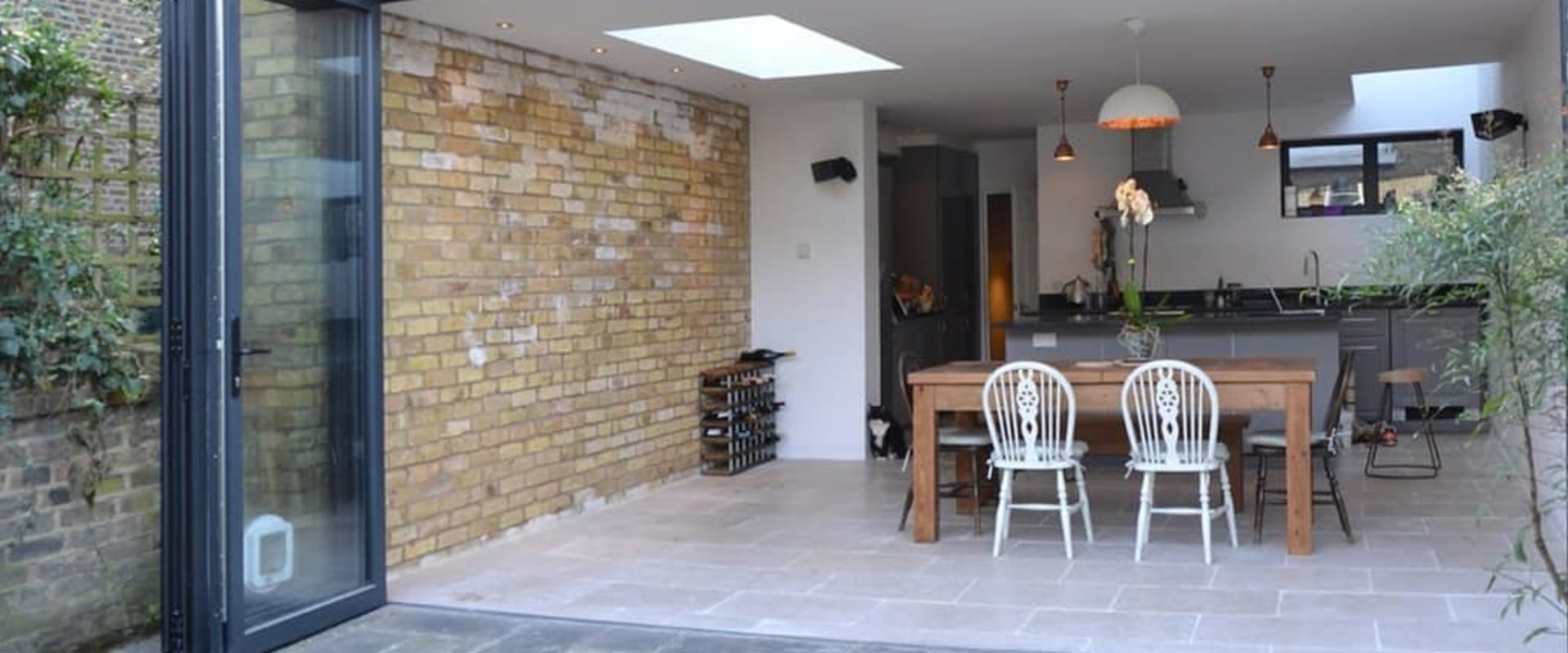
Extending your home can be an exciting venture, offering the opportunity to create additional living space tailored to your needs. However, the traditional route of obtaining planning permission can often be a daunting and time-consuming process. Fortunately, many homeowners in the UK can explore the option of extending their properties without the need for formal planning consent, thanks to permitted development rights. This approach not only simplifies the process but also opens up a world of possibilities for enhancing your home. One of the most popular forms of extension that falls under these rights is the single story extension.
This type of extension allows homeowners to expand their living areas without the lengthy bureaucratic hurdles associated with planning applications. By understanding the regulations surrounding permitted development, you can effectively increase your home's footprint while enjoying greater flexibility in design and functionality. Moreover, extending your home without planning permission can lead to significant cost savings. The single story extension cost is often more manageable than anticipated, especially when you factor in the expenses associated with obtaining planning permission. Homeowners can allocate their budgets towards high-quality materials and finishes, ensuring that their new space not only meets their practical needs but also enhances the overall aesthetic of their property. As we delve deeper into this guide, we will explore various aspects of extending your home without planning permission, including detailed insights into costs, design considerations, and essential regulations.
Whether you're looking to create a spacious kitchen-diner or a tranquil home office, understanding these elements will empower you to make informed decisions that align with your vision for your home.
Understanding Permitted Development Rights
Understanding permitted development rights is essential for homeowners considering a home extension without the need for formal planning permission. These rights allow certain types of extensions and alterations to be made to a property without the lengthy and often costly process of obtaining planning approval.Permitted development rights
vary significantly based on the type of property, its location, and the specific regulations in place. Generally, these rights apply to houses rather than flats or maisonettes, which typically require full planning permission for any alterations. Homeowners should first determine if their property falls under the category of those eligible for permitted development.
Eligibility Criteria
To qualify for permitted development rights, several criteria must be met:- Type of Property: Most detached, semi-detached, and terraced houses can benefit from these rights.
However, flats and other types of buildings usually do not.
- Size Limitations: Extensions must adhere to specific size restrictions. For example, a single-storey rear extension can extend up to 3 meters for detached houses and 6 meters for terraced houses, provided it does not exceed the height limits set by local regulations.
- Height Restrictions: The maximum height for single-storey extensions is typically capped at 4 meters. This ensures that extensions do not dominate the existing structure or surrounding properties.
- Location Considerations: Properties located in conservation areas or designated national parks may have stricter rules and may not qualify for permitted development rights.
Types of Extensions Allowed
Homeowners can consider various types of extensions under permitted development rights:- Single-storey Extensions: These are the most common and can significantly enhance living space.
- Rear Extensions: Often used to create open-plan living areas, these extensions can be designed to blend seamlessly with the existing structure.
- Side Extensions: Adding space to the side of a property can improve functionality while maintaining aesthetic appeal.
Types of Single Story Extensions
When considering a single story extension, homeowners have a variety of options to choose from, each offering unique designs and functionalities.Understanding these types can significantly influence your decision-making process and help you achieve the desired outcome for your home.
1.Rear Extensions
Rear extensions are among the most popular choices for homeowners looking to expand their living space. These extensions typically extend outwards from the back of the house, creating additional room for kitchens, dining areas, or living rooms. A well-designed rear extension can enhance natural light and provide a seamless transition between indoor and outdoor spaces.2.Side Extensions
Side extensions are another excellent option, particularly for properties with sufficient width. These extensions can be used to create additional bedrooms, home offices, or utility rooms.They often allow for creative design possibilities, such as incorporating large windows or bi-fold doors that open up to the garden.
3.Wrap-Around Extensions
A wrap-around extension combines both rear and side extensions, effectively wrapping around the corner of the house. This type of extension maximizes space and can create a stunning open-plan living area. It is ideal for homeowners looking to create a spacious kitchen-diner or a large family room.4.Conservatories
Conservatories are a popular choice for those who want to bring the outdoors in while enjoying a versatile space that can be used year-round. These glass structures can serve as sunrooms, playrooms, or even home offices.With various styles available, including Victorian and Edwardian designs, conservatories can add character and charm to your property.
5.Garden Rooms
Garden rooms are standalone structures located in the garden, providing additional living space without physically extending the main house. They can be used as home offices, studios, or leisure spaces. Garden rooms offer flexibility in design and can be tailored to suit individual needs while enhancing the overall aesthetic of your outdoor area.6.Single Storey Extensions with Flat Roofs
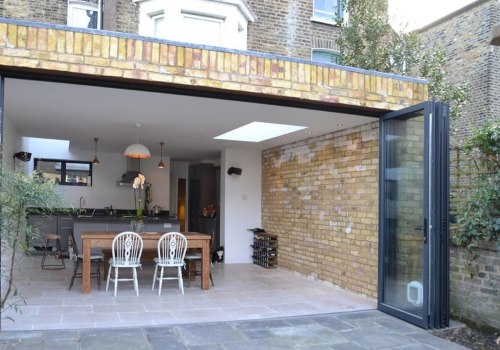
Flat-roof extensions have gained popularity due to their modern aesthetic and practicality. They provide a sleek look and can be designed with roof lanterns or skylights to enhance natural light within the space.This type of extension is particularly suitable for contemporary homes and can create a striking visual impact. In conclusion, selecting the right type of single story extension depends on your specific needs, property layout, and personal style preferences. Each option offers distinct advantages that can enhance your living experience while adding value to your home.
Cost Breakdown of Single Story Extensions
When considering a single story extension, understanding the cost breakdown is essential for effective budgeting. The overall cost can vary significantly based on several factors, including the size of the extension, materials used, and labor costs. Below is a detailed overview of the primary components that contribute to the total expense.1.Materials
The choice of materials plays a crucial role in determining the cost of your extension.Common materials include:
- Bricks and Blocks: Traditional bricks and blocks are often used for walls and can range from £50 to £100 per square meter, depending on quality.
- Roofing: Options such as flat roofs, pitched roofs, or even glass roofs can vary widely in price. A flat roof might cost around £60 to £90 per square meter, while a pitched roof could be between £80 and £120 per square meter.
- Windows and Doors: High-quality double-glazed windows and doors not only enhance aesthetics but also improve energy efficiency. Expect to pay between £300 to £1,000 per window, depending on size and style.
- Insulation: Proper insulation is vital for energy efficiency. Costs can range from £20 to £50 per square meter.
2.Labor Costs
Labor costs can vary based on location and the complexity of the project.On average, you might expect to pay:
- General Builders: Approximately £150 to £250 per day.
- Specialist Trades: Electricians and plumbers may charge between £40 to £70 per hour.
3.Additional Expenses
In addition to materials and labor, there are other costs to consider:- Planning Fees: While many single story extensions fall under permitted development, if planning permission is required, fees can range from £200 to £500.
- Building Regulations Approval: This typically costs around £200 to £300.
- Site Preparation: Clearing the site and preparing the foundation can add an extra £1,000 to £2,000 depending on existing conditions.
- Finishing Touches: Interior finishes such as flooring, painting, and fixtures can add another £5,000 or more depending on your choices.
Factors Influencing Extension Costs
When planning a single story extension, understanding the various factors influencing extension costs is crucial for effective budgeting. Several elements can significantly impact the overall expense, and being aware of these can help homeowners make informed decisions.Location
The geographical location of your property plays a pivotal role in determining the cost of an extension. Areas with higher property values, such as London and the South East, typically incur higher labour and material costs.Additionally, local regulations and building codes can vary, potentially adding to expenses if specific compliance measures are required.
Size of the Extension
The size of your extension is one of the most straightforward factors affecting costs. Generally, larger extensions will require more materials and labour, leading to increased expenses. It's essential to consider not just the floor area but also the height and volume of the extension, as these can influence both construction complexity and cost.Materials Used
The choice of materials can greatly affect your budget. High-quality materials such as natural stone or premium timber will increase costs compared to standard options like brick or concrete.Additionally, if you opt for energy-efficient materials or sustainable building practices, while they may have a higher upfront cost, they can lead to long-term savings on energy bills.
Design Complexity
The complexity of your design is another significant factor. Simple extensions with straightforward layouts are generally less expensive than those with intricate designs or custom features. If your extension includes unique architectural elements or requires specialist contractors (such as for bespoke glazing), this will also add to the overall cost.Labour Costs
Labour costs can vary widely depending on the skill level required for your project. Hiring experienced builders or specialists may come at a premium but can ensure a higher quality finish and adherence to safety standards.It's advisable to obtain multiple quotes from contractors to find a balance between quality and affordability.
Additional Costs
Don't forget to factor in additional costs that may arise during the project. These can include:- Planning fees: Even if you don't need full planning permission, there may be fees associated with neighbour consultations or building regulations.
- Site preparation: Clearing the site or making alterations to existing structures can incur extra charges.
- Utilities: If your extension requires new plumbing or electrical work, this will add to your budget.
Financing Your Home Extension Project
When considering a home extension, understanding your financing options is crucial to ensure that your project is both feasible and financially sound. There are several avenues available for homeowners looking to fund their extension projects, each with its own advantages and considerations.1.Home Extension Loans
One of the most popular options for financing a home extension is through a dedicated home extension loan. These loans are specifically designed to cover the costs associated with building work and can be secured against your property.Here are some key points to consider:
- Loan Amount: Typically, lenders will offer loans based on the equity you have in your home, which can range from a few thousand to tens of thousands of pounds.
- Interest Rates: Interest rates can vary significantly, so it’s essential to shop around and compare offers from different lenders.
- Repayment Terms: Most loans will have flexible repayment terms, allowing you to choose a plan that fits your budget.
2.Remortgaging Your Home
If you have built up equity in your property, remortgaging can be an effective way to finance your extension. This involves taking out a new mortgage that is larger than your existing one, using the extra funds for your project. Consider the following:- Potential Savings: Remortgaging may allow you to secure a lower interest rate than your current mortgage, potentially saving you money in the long run.
- Increased Monthly Payments: Be mindful that increasing your mortgage will lead to higher monthly repayments, so ensure this fits within your budget.
3.Personal Savings
If you have sufficient savings, using them to fund your extension can be the most straightforward option. This method avoids interest payments and debt accumulation.However, it’s important to:
- Maintain an Emergency Fund: Ensure that using your savings won’t leave you financially vulnerable in case of unexpected expenses.
- Budget Wisely: Create a detailed budget for your extension project to avoid overspending.
4.Government Grants and Schemes
Depending on your location and circumstances, there may be government grants or schemes available to assist with home improvements. Research local initiatives that could provide financial support or tax relief for home extensions. In conclusion, financing a home extension requires careful consideration of various options available. Whether opting for a home extension loan, remortgaging, using personal savings, or exploring government grants, it’s essential to assess what aligns best with your financial situation and long-term goals. By planning ahead and budgeting effectively, you can turn your dream extension into reality without compromising your financial stability.Planning Your Extension: Key Considerations
When embarking on a home extension project, careful planning is crucial to ensure a successful outcome.Here are some key considerations to keep in mind:
Designing Your Extension
The design of your extension should not only reflect your personal style but also complement the existing architecture of your home. Here are some factors to consider:- Functionality: Determine the primary purpose of the extension. Will it serve as a living area, a home office, or perhaps a playroom? Understanding its function will guide your design choices.
- Size and Scale: Ensure that the extension is proportionate to your existing home. A well-sized extension enhances the overall aesthetic and functionality without overwhelming the original structure.
- Natural Light: Incorporate large windows or skylights to maximize natural light.
This not only creates a welcoming atmosphere but also makes the space feel larger and more open.
- Materials: Choose materials that harmonize with your home’s existing features. Whether you opt for brick, wood, or glass, consistency in materials can create a seamless transition between old and new.
Project Management Tips
Effective project management is essential for keeping your extension on track and within budget. Here are some tips to help you manage the process:- Create a Detailed Plan: Outline every stage of the project, from initial design to final touches. A comprehensive plan helps prevent oversights and keeps everyone aligned.
- Set a Realistic Budget: Understand all potential costs involved, including materials, labour, and any unexpected expenses.
Allocate a contingency fund of around 10-15% for unforeseen circumstances.
- Hire Qualified Professionals: Engage architects, builders, and contractors with proven experience in extensions. Their expertise can help navigate challenges and ensure quality workmanship.
- Regular Communication: Maintain open lines of communication with all parties involved. Regular updates can help address issues promptly and keep the project moving forward smoothly.
Common Mistakes to Avoid When Extending Your Home
When embarking on a home extension project, it’s easy to overlook certain details that can lead to costly mistakes. Here are some common pitfalls homeowners encounter and how to avoid them:- Neglecting to Research Local Regulations: Even if you believe your extension falls under permitted development rights, it’s crucial to check local regulations.
Each council may have specific rules that could affect your project. Failing to comply can result in fines or the need to reverse the work.
- Underestimating Costs: One of the most significant mistakes is not accurately estimating the single story extension cost. Homeowners often forget to include expenses such as materials, labour, and potential unexpected costs. Always create a detailed budget and add a contingency fund of at least 10-15%.
- Ignoring Neighbour Relations: Extensions can impact your neighbours, so it’s wise to communicate your plans early on.
Not doing so can lead to disputes or objections that may delay your project. Consider discussing your ideas with them and addressing any concerns they might have.
- Choosing the Wrong Builder: Selecting a builder based solely on price can be a grave mistake. Look for recommendations, check reviews, and ensure they have experience with extensions similar to yours. A reputable builder will not only deliver quality work but also help navigate any challenges that arise.
- Overlooking Design Integration: Your extension should complement the existing structure of your home.
Failing to consider architectural harmony can result in an awkward-looking addition that detracts from your property’s overall appeal. Work with an architect or designer who understands how to blend styles effectively.
- Not Planning for Future Needs: While you may have immediate needs for space, consider how your family’s requirements might change over time. Designing a flexible space that can adapt to future needs will save you from having to extend again shortly after.
FAQs About Single Story Extensions Without Planning Permission
When considering a single story extension without planning permission, homeowners often have numerous questions.Below are some of the most frequently asked questions that can help clarify common concerns and provide valuable insights.
What is a single story extension?
A single story extension is an addition to your home that extends outwards from the existing structure, typically comprising only one level. This type of extension is popular for creating additional living space, such as a larger kitchen, dining area, or even a home office.Do I need planning permission for a single story extension?
In many cases, you can build a single story extension without needing formal planning permission, provided it falls within the guidelines of permitted development rights. However, these rights can vary based on your property type and location. It’s essential to check local regulations to ensure compliance.What are the size limitations for extensions without planning permission?
Generally, for a single story extension to qualify as permitted development, it must not exceed:- 4 meters in height
- 3 meters in depth from the original rear wall of the house
- 50% of the land around the original house must remain as garden space
How much does a single story extension cost?
The cost of a single story extension can vary significantly based on factors such as size, materials used, and location.On average, homeowners can expect to pay between £1,200 and £2,000 per square meter. It’s wise to obtain multiple quotes from builders to get an accurate estimate tailored to your project.
Will my neighbours be notified about my extension?
If your extension exceeds certain limits or if you are unsure about your permitted development rights, it’s good practice to inform your neighbours. While not legally required in all cases, maintaining good relationships with those living nearby can help avoid disputes and ensure a smoother building process.Can I convert my garage into a single story extension?
Yes, converting a garage into a living space is often considered an effective way to extend your home. However, if you plan to make significant structural changes or increase the footprint of the garage, you may need to apply for planning permission. By addressing these common queries regarding single story extensions without planning permission, homeowners can make informed decisions and embark on their home improvement journey with confidence.Conclusion: Making Your Home Extension Dreams a Reality
In conclusion, embarking on a home extension project without the need for planning permission can be a transformative experience for homeowners.It not only enhances your living space but also adds significant value to your property. As we have explored throughout this guide, understanding the single story extension cost is crucial in making informed decisions that align with your budget and vision. To recap, here are the key points to consider:
- Permitted Development Rights: Familiarise yourself with the regulations surrounding permitted development rights, as they dictate what you can achieve without formal planning permission.
- Cost Considerations: The cost of a single story extension can vary widely based on factors such as size, materials, and location. It’s essential to obtain multiple quotes from reputable builders to ensure you get the best value for your investment.
- Design Flexibility: One of the most significant advantages of extending without planning permission is the freedom to design your space according to your personal preferences and lifestyle needs.
- Consultation with Neighbours: Engaging with your neighbours early in the process can help mitigate any potential disputes and foster goodwill, especially if your extension may impact their views or light.
- Professional Guidance: Enlisting the help of an experienced architect or builder can streamline the process, ensuring that your extension meets all necessary building regulations while also achieving your desired aesthetic.
Whether you envision a spacious kitchen, a serene home office, or a vibrant family room, the possibilities are endless. Now is the time to turn your dreams into reality. With careful planning and consideration of single story extension costs, you can create a beautiful and functional space that reflects your unique style and meets your family's needs. Start by sketching out your ideas, gathering inspiration, and reaching out to professionals who can help bring your vision to life. Your dream home extension awaits!.