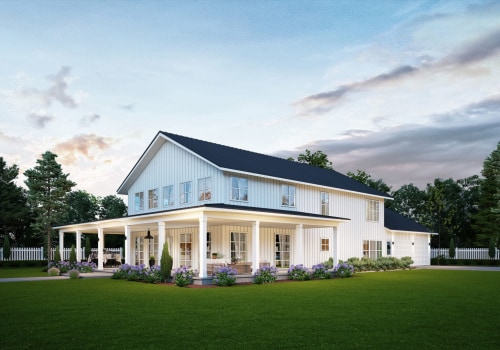
single story extension cost
Understanding the Cost of Framing a 12x12 Room: A Detailed Guide for Homeowners
Discover the comprehensive costs of framing a 12x12 room, including materials, labour, and hidden expenses for your renovation project.
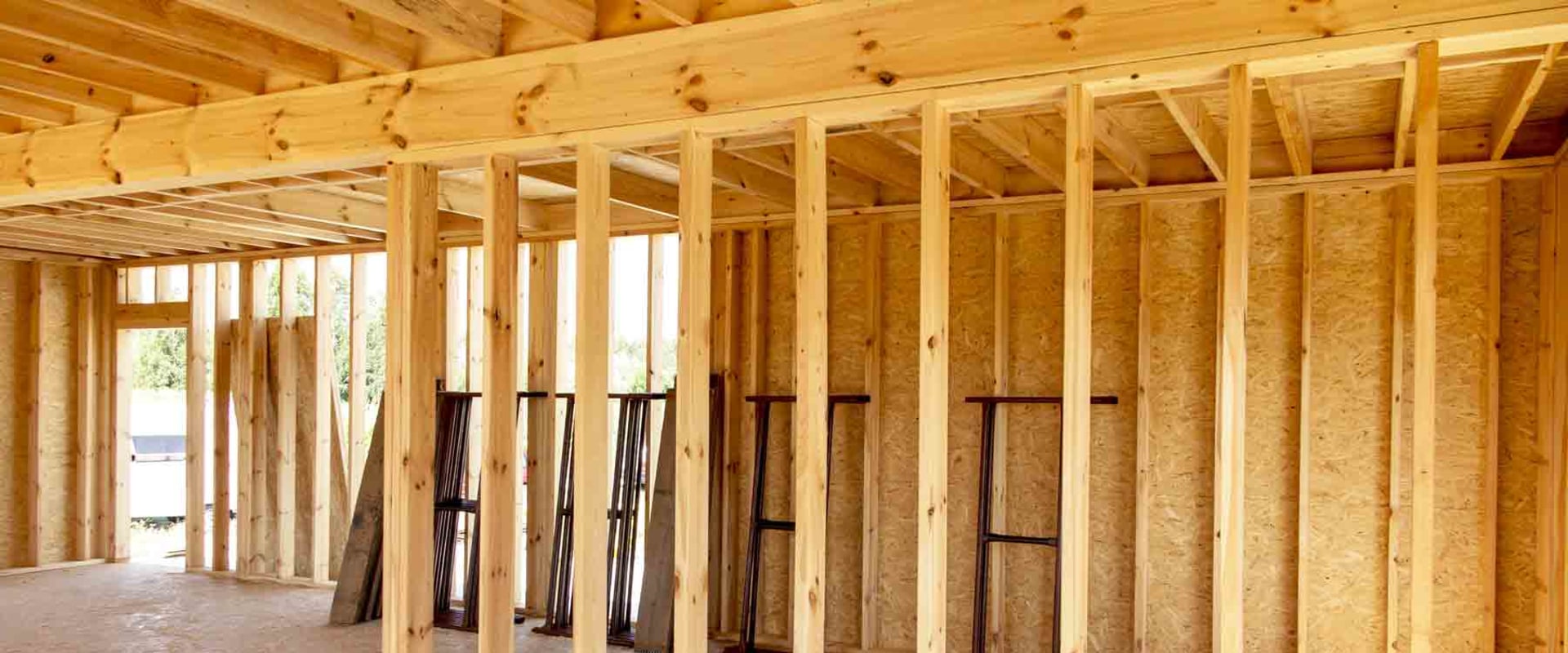
When embarking on a home renovation project, particularly when considering a single story extension, understanding the cost of framing a room is paramount. Framing serves as the backbone of any structure, providing the necessary support and shape to your living space. For a typical 12x12 room, the framing process involves various materials and labour considerations that can significantly influence the overall budget. Homeowners and contractors alike must grasp these elements to ensure accurate financial planning. The cost of framing a 12x12 room can vary widely based on several factors, including the choice of materials, local labour rates, and the complexity of the design.
For instance, opting for high-quality timber or steel can increase initial expenses but may offer long-term benefits in terms of durability and maintenance. Additionally, understanding whether your walls will be load-bearing or non-load-bearing is crucial, as this distinction affects both material requirements and costs. Moreover, it’s essential to consider potential hidden costs that may arise during the framing process. These can include expenses related to electrical work, plumbing adjustments, or even unforeseen structural issues that may need addressing before framing can commence. By being aware of these factors from the outset, you can create a more realistic budget that accommodates not just the visible costs but also those that may emerge as the project progresses. In this comprehensive guide, we will delve deeper into each aspect of framing costs, providing you with valuable insights and practical tips to navigate your project effectively.
Whether you are a seasoned contractor or a first-time homeowner looking to expand your living space, understanding these nuances will empower you to make informed decisions that align with your vision and financial capabilities.
Understanding Framing: The Basics
Framing is a critical aspect of construction that serves as the backbone of any building. It involves creating a structural framework that supports the weight of the building and provides stability. Understanding the fundamentals of framing is essential for anyone involved in construction, whether you are a homeowner planning a renovation or a contractor managing a project.What is Framing?
At its core, framing refers to the process of assembling materials to form the skeleton of a structure. This framework typically includes walls, floors, and roofs, which are constructed using various materials.
The primary purpose of framing is to provide support and shape to the building while allowing for the installation of other elements such as insulation, electrical wiring, and plumbing.
Types of Framing
There are several types of framing methods used in construction, each with its own advantages and applications:
- Wood Framing: This is the most common method used in residential construction. Wood framing involves using timber or engineered wood products to create the structure. It is relatively inexpensive and easy to work with, making it a popular choice for many builders.
- Steel Framing: Steel framing is often used in commercial buildings due to its strength and durability. It involves using steel studs and beams, which can withstand greater loads than wood.
However, it tends to be more expensive and requires specialized skills for installation.
- Concrete Framing: This method uses concrete blocks or poured concrete to create walls and floors. Concrete framing offers excellent fire resistance and durability but can be more costly and time-consuming compared to wood or steel options.
- Light Gauge Steel Framing: Similar to traditional steel framing but lighter in weight, this method is often used for smaller structures or interior partitions. It provides good strength while being easier to handle than heavier steel components.
Framing Materials
The choice of materials for framing significantly impacts both the cost and performance of a building. Here are some common materials used in framing:
- Timber: A traditional choice for residential buildings, timber is readily available and offers good insulation properties.
However, it may be susceptible to pests and moisture if not treated properly.
- Laminated Veneer Lumber (LVL): This engineered wood product is made from layers of thin wood glued together. LVL provides greater strength and stability than traditional lumber, making it ideal for beams and headers.
- Steel Studs: Used primarily in commercial applications, steel studs are resistant to warping and pests. They are also non-combustible, which adds an extra layer of safety.
- Concrete Blocks: Often used in foundations or load-bearing walls, concrete blocks provide excellent structural integrity but can be heavy and require skilled labour for installation.
Factors Influencing the Cost of Framing a 12x12 Room
When considering the cost of framing a 12x12 room, several key factors come into play that can significantly influence the overall expense.Understanding these elements is crucial for homeowners and contractors alike, as they can help in making informed decisions and managing budgets effectively.
1.Room Size and Layout
The dimensions of the room are the most obvious factor affecting framing costs. A 12x12 room is relatively small, which generally means lower material and labour costs compared to larger spaces. However, the layout can also impact costs. For instance, if the room requires complex angles or additional features like built-in shelves or alcoves, this can increase both material needs and labour time.
2.Material Choices
The type of materials selected for framing plays a significant role in determining costs.
Common options include:
- Wood: Traditional timber framing is popular due to its availability and ease of use. However, prices can vary based on wood quality and type (e.g., softwood vs. hardwood).
- Steel: While more expensive upfront, steel framing offers durability and resistance to pests and rot, potentially saving money in the long run.
- Engineered Wood: Options like laminated veneer lumber (LVL) or I-joists may have higher initial costs but provide superior strength and stability.
3.Labour Costs
The cost of labour is another critical factor that can vary widely based on location, contractor experience, and project complexity. In urban areas, labour rates tend to be higher due to demand.
Additionally, if the project requires skilled tradespeople for specific tasks (like electrical or plumbing work), this can further inflate costs.
4.Additional Features
If your framing project includes additional features such as insulation, soundproofing, or custom designs, these will add to the overall cost. Insulation is particularly important in maintaining energy efficiency and comfort in a room.
5.Permits and Regulations
Lastly, local building codes may require permits for framing projects, which can incur additional fees. It's essential to check with local authorities to ensure compliance with regulations before starting any work.
By carefully considering these factors—room size, material choices, labour costs, additional features, and regulatory requirements—you can gain a clearer understanding of the cost of framing a 12x12 room and make more informed decisions that align with your budget and project goals.
Material Choices: Wood vs. Steel vs.
Other Options When it comes to framing a room, the choice of materials is one of the most critical decisions you will make. The two most common options are wood and steel, each with its own set of advantages and disadvantages. Additionally, there are other materials worth considering, depending on your specific needs and budget.
Wood Framing
Wood has been the traditional choice for framing due to its availability, ease of use, and cost-effectiveness. Here are some key points to consider:- Cost: Generally, wood framing is less expensive than steel.
The average cost for wood framing can range from £10 to £20 per square foot, depending on the type of wood used.
- Insulation: Wood provides natural insulation properties, which can help in maintaining temperature and reducing energy costs.
- Flexibility: Wood is easier to work with, allowing for more intricate designs and modifications during construction.
- Durability: While wood is strong, it is susceptible to pests like termites and can be affected by moisture, leading to rot if not properly treated.
Steel Framing
Steel framing has gained popularity in recent years, especially for larger projects. Here’s what you need to know:- Cost: Steel framing typically costs between £15 to £30 per square foot. While it may be more expensive upfront, its longevity can offset initial costs.
- Strength: Steel is incredibly strong and can support larger spans without the need for additional support beams.
- Pest Resistance: Unlike wood, steel is not susceptible to pests or rot, making it a more durable option in certain environments.
- Fire Resistance: Steel is non-combustible, providing an added layer of safety in case of fire.
Other Material Options
In addition to wood and steel, there are other materials that can be used for framing:- Laminated Veneer Lumber (LVL): This engineered wood product offers high strength and stability while being lightweight. It’s often used for beams and headers.
- I-Joists: These are also engineered products that provide excellent strength-to-weight ratios and are commonly used in floor systems.
- Concrete: For certain applications, concrete can be used as a framing material.
It offers exceptional durability but can be more expensive and labour-intensive to work with.
Labour Costs: What to Expect When Hiring Professionals
When embarking on a framing project, understanding the labour costs associated with hiring professionals is crucial for effective budgeting. The cost of labour can vary significantly based on several factors, including the complexity of the project, the experience of the contractors, and regional pricing differences. Typically, labour costs for framing can range from £15 to £30 per hour for skilled framers. However, this can increase if you are hiring a contractor with extensive experience or specialised skills.In some cases, you may encounter rates as high as £50 per hour in metropolitan areas where demand for skilled labour is greater.
Factors Influencing Labour Costs
- Project Complexity: More intricate designs or structural requirements will necessitate more time and expertise, leading to higher labour costs.
- Experience Level: Hiring seasoned professionals may come at a premium, but their expertise can lead to better quality work and fewer mistakes.
- Location: Labour costs can vary widely depending on your geographical area. Urban centres often have higher rates compared to rural locations.
- Timeframe: If your project has a tight deadline, you may need to pay for additional labour hours or overtime, which can inflate costs.
By understanding what to expect and carefully evaluating your options, you can make informed decisions that align with your project goals and financial constraints.
Additional Costs to Consider in Your Budget
When planning the framing of a 12x12 room, it is essential to account for various additional costs that may not be immediately apparent. These hidden expenses can significantly impact your overall budget, so understanding them is crucial for effective financial planning. One of the primary additional costs to consider is the need for electrical work. If your renovation involves adding new outlets, lighting fixtures, or any electrical installations, hiring a qualified electrician will be necessary. The cost of electrical work can vary widely based on the complexity of the job and local labour rates, but you might expect to pay anywhere from £200 to £800 depending on your specific requirements. Another potential expense arises from wall removal.If your project requires taking down existing walls to create an open space or to reconfigure the layout, this can add significant costs. The price for wall removal can range from £150 to £800, depending on whether the wall is load-bearing or not. Load-bearing walls require additional structural support, which can further increase costs. Additionally, consider the cost of insulation. Proper insulation is vital for energy efficiency and comfort in your newly framed room.
Depending on the type of insulation you choose—be it fibreglass, foam board, or spray foam—the costs can vary. Budgeting around £300 to £600 for insulation is a reasonable estimate. Furthermore, don’t overlook the potential need for permits and inspections. Depending on your local regulations, you may need to obtain permits for framing and electrical work. Permit fees can range from £50 to several hundred pounds, depending on your location and the scope of your project. Lastly, always factor in a contingency fund of about 10-20% of your total budget.
This fund will help cover any unexpected expenses that may arise during the framing process. By being aware of these additional costs and planning accordingly, you can ensure that your renovation stays within budget while achieving the desired results.
DIY vs. Hiring a Professional: Pros and Cons
When it comes to framing a 12x12 room, one of the most significant decisions you will face is whether to take on the project yourself or hire a professional. Each option has its own set of advantages and disadvantages, and understanding these can help you make an informed choice that aligns with your skills and budget.Pros of DIY Framing
- Cost Savings: One of the most appealing aspects of DIY framing is the potential for significant cost savings.
By eliminating labour costs, you can allocate more of your budget towards quality materials or other aspects of your renovation.
- Personal Satisfaction: Completing a project on your own can be incredibly rewarding. The sense of accomplishment that comes from building something with your own hands can enhance your connection to your home.
- Flexibility: When you choose to frame the room yourself, you have complete control over the timeline and design. You can work at your own pace and make adjustments as needed without having to consult with a contractor.
Cons of DIY Framing
- Skill Level: Framing requires a certain level of skill and knowledge about construction techniques. If you lack experience, you may encounter challenges that could lead to mistakes, resulting in additional costs or safety issues.
- Time-Consuming: DIY projects often take longer than anticipated, especially if you are learning as you go.
This can lead to delays in your overall renovation schedule.
- Lack of Professional Quality: While DIY framing can be done well, it may not match the quality and precision that a professional contractor can provide. This could affect the overall integrity and aesthetics of your room.
Pros of Hiring a Professional
- Expertise: Professionals bring years of experience and knowledge to the table. They are familiar with building codes, structural requirements, and best practices, which can save you from costly mistakes.
- Efficiency: A professional team can complete the framing much faster than an inexperienced DIYer. This means less disruption to your home life and quicker progress on your renovation.
- Quality Assurance: Hiring experts ensures that the work is done correctly the first time.
This can provide peace of mind knowing that your project meets all necessary standards.
Cons of Hiring a Professional
- Higher Costs: The most significant drawback is often the cost. Hiring professionals means paying for their expertise, which can significantly increase your overall budget.
- Lack of Control: When you hire someone else, you may have less control over the project timeline and design choices. This could lead to compromises that may not align with your vision.
Long-Term Considerations: Value and Durability
When considering the cost of framing a 12x12 room, it is essential to look beyond the immediate expenses and evaluate the long-term implications of your choices.Investing in quality materials and professional services can significantly enhance the durability and value of your home.
Long-Term Value of Framing
Framing is not merely a structural necessity; it is a foundational element that can influence the overall value of your property. High-quality framing can lead to:
- Increased Property Value: Homes with well-constructed frames are often more appealing to potential buyers. A solid frame can indicate that the home has been well-maintained, which can justify a higher asking price.
- Lower Maintenance Costs: Investing in durable materials means fewer repairs and replacements over time. This can save homeowners significant amounts in maintenance costs, making it a wise financial decision.
- Energy Efficiency: Properly framed rooms can improve insulation, leading to lower energy bills.
This not only benefits your wallet but also contributes to a more sustainable living environment.
Durability of Materials
The choice of materials used in framing plays a crucial role in determining the longevity of your investment. Here are some common materials and their benefits:
- Wood: Traditional wood framing is popular due to its strength and versatility. However, opting for treated wood can enhance its resistance to pests and moisture, extending its lifespan.
- Steel: Steel framing is increasingly favoured for its durability and resistance to warping or cracking. While it may have a higher upfront cost, its longevity often makes it a cost-effective choice in the long run.
- Composite Materials: These materials combine various elements to offer enhanced durability and resistance to environmental factors.
They can be an excellent choice for those looking for low-maintenance options.
Investment in Home Improvements
When planning a single story extension or any home improvement project, consider framing as an investment rather than just an expense. Quality framing not only supports the structure but also enhances aesthetic appeal and functionality. By prioritising quality over cost-cutting measures, you ensure that your home remains a valuable asset for years to come. In conclusion, while the initial cost of framing may seem daunting, the long-term benefits far outweigh these concerns. By choosing durable materials and professional services, you are not just building a room; you are investing in your home’s future value and resilience.
Frequently Asked Questions About Framing Costs
When it comes to framing costs, homeowners often have numerous questions and concerns.Understanding these can help you make informed decisions and manage your budget effectively. Below are some of the most frequently asked questions regarding framing costs.
What factors influence the cost of framing a room?
The cost of framing a room can vary significantly based on several factors, including:- Material Type: The choice between wood, steel, or engineered materials can affect the overall cost. For instance, while wood is generally less expensive, steel may offer greater durability.
- Room Size: Larger rooms require more materials and labour, which will increase costs. A 12x12 room will naturally be less expensive to frame than a larger space.
- Labour Costs: Hiring experienced contractors may come at a premium, but their expertise can save you money in the long run by avoiding costly mistakes.
- Design Complexity: Custom designs or unique architectural features can add to the framing cost due to the additional time and materials required.
How much should I budget for framing?
On average, homeowners can expect to pay between £1,500 and £3,000 for framing a standard 12x12 room.This estimate includes both materials and labour. However, it’s essential to get multiple quotes from contractors to ensure you’re getting a fair price.
Are there any hidden costs I should be aware of?
Yes, there are several potential hidden costs that could arise during the framing process:- Permits: Depending on your local regulations, you may need permits for construction work, which can add to your expenses.
- Electrical and Plumbing Work: If your project requires moving or installing electrical wiring or plumbing, these additional services will increase your overall costs.
- Finishing Touches: Don’t forget to budget for drywall installation, insulation, and any finishing work that may be necessary after framing is complete.
Can I save money by doing it myself?
If you have experience in construction or DIY projects, taking on the framing yourself can save you money on labour costs. However, it’s crucial to assess your skills honestly; improper framing can lead to structural issues down the line. If in doubt, hiring a professional is often the safer choice. By addressing these common questions about framing costs, homeowners can better prepare for their projects and avoid unexpected financial surprises.Always remember to conduct thorough research and consult with professionals when necessary to ensure a successful outcome.
Conclusion: Making Informed Decisions on Framing Costs
In conclusion, understanding the cost of framing a 12x12 room is essential for anyone embarking on a construction or renovation project. Throughout this guide, we have explored various factors that influence these costs, from the materials used to the complexity of the design. By grasping these elements, you can make informed decisions that align with your budget and project goals. One of the key takeaways is the importance of accurately estimating the number of materials required. Whether you opt for traditional wood framing or consider alternatives like steel or laminated wood, each choice carries its own cost implications.Additionally, understanding the difference between load-bearing and non-load-bearing walls can significantly affect your overall expenses. Moreover, it is crucial to factor in additional costs that may arise during the framing process. Hiring professionals for electrical work or demolition can add to your budget, so it’s wise to plan for these expenses in advance. Clear communication with contractors about your expectations and budget will help ensure that there are no surprises along the way. As you move forward with your project, remember that while initial costs may seem daunting, investing in quality materials can lead to long-term savings. Durable framing options may require a higher upfront investment but can reduce maintenance costs and enhance the longevity of your structure. Ultimately, by applying the insights gained from this comprehensive guide, you will be better equipped to navigate the complexities of framing costs.
This knowledge empowers you to make choices that not only meet your immediate needs but also contribute to the overall success of your home improvement project.