single story extension cost
Understanding the Cost of a Single-Story Extension: Essential Insights for Homeowners
Explore the essential insights on single-story extension costs, factors influencing pricing, and tips for homeowners in the UK.
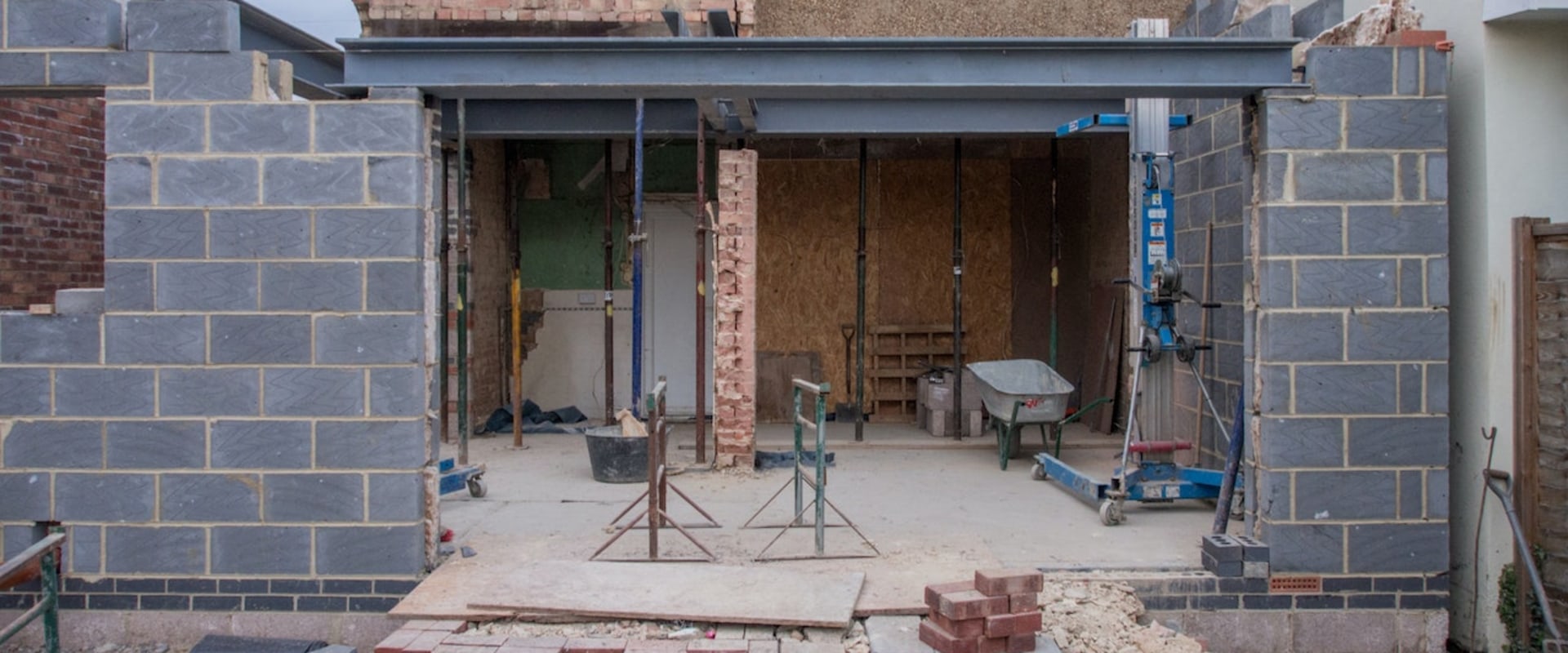
In recent years, the trend of single-story extensions has gained significant traction among homeowners across the UK. As property prices continue to soar, many individuals are seeking innovative ways to enhance their living spaces without the need to relocate. A single-story extension not only provides additional room but also offers a practical solution for families looking to adapt their homes to changing needs. Whether it’s for a larger kitchen, a home office, or an extra bedroom, these extensions can transform a property into a more functional and enjoyable space. The appeal of single-story extensions lies in their versatility and relatively straightforward construction process compared to multi-storey builds.
Homeowners can often achieve their desired results with less disruption and at a lower cost. However, understanding the cost of a single-story extension is crucial for anyone considering this option. Various factors influence the overall expense, including the size of the extension, materials used, and local labour rates. By gaining insight into these elements, homeowners can make informed decisions that align with their budgets. Moreover, planning a single-story extension involves more than just financial considerations.
It requires careful thought about design, functionality, and compliance with local building regulations. Engaging with architects or builders early in the process can help clarify expectations and streamline the project. As we delve deeper into this topic, we will explore not only the costs associated with single-story extensions but also the myriad benefits they offer and essential planning tips to ensure a successful outcome.
Factors Influencing the Cost of a Single-Story Extension
When considering a single-story extension, it is essential to understand the various factors that can influence the overall cost. Each project is unique, and several elements can significantly impact the final price.Below are some of the key factors to consider:
- Size of the Extension: The most apparent factor affecting the cost is the size of the extension. Generally, larger extensions will incur higher costs due to increased materials and labour. It’s crucial to determine how much space you need and how that translates into square footage.
- Design Complexity: The complexity of the design can also play a significant role in determining costs. Simple, straightforward designs are typically less expensive than intricate ones that may require custom features or unique architectural elements.
If your extension involves unusual shapes or multiple levels, expect to pay more.
- Materials Used: The choice of materials can greatly affect your budget. High-quality materials may enhance the aesthetic appeal and durability of your extension but can also lead to increased costs. Discuss with your contractor about alternative materials that offer a balance between quality and affordability.
- Location: The geographical location of your property can influence costs due to variations in local labour rates, material availability, and even building regulations. Urban areas may have higher costs compared to rural locations, so it’s essential to factor this into your budget.
- Foundation Requirements: Depending on the soil type and existing structures, you may need a more robust foundation for your extension.
If extensive groundwork is required, this will add to the overall cost. It’s advisable to have a site survey conducted to assess any potential foundation issues before starting your project.
- Building Regulations and Permits: Compliance with local building regulations is mandatory for any construction project. Obtaining necessary permits can incur additional fees and may require modifications to your plans, which can further increase costs. Always consult with your local authority early in the planning process.
- Labour Costs: The cost of hiring skilled labour can vary significantly based on experience and demand in your area.
While it might be tempting to opt for cheaper labour, investing in experienced professionals can save you money in the long run by ensuring quality work and reducing the risk of costly mistakes.
Average Costs: What to Expect
When considering a single-story extension, understanding the average costs involved is crucial for effective budgeting and planning. The overall expense can vary significantly based on several factors, including location, size, and complexity of the project. On average, homeowners in the UK can expect to pay between £1,500 and £2,500 per square meter for a single-story extension. This range typically covers basic construction costs, including materials and labour.However, it is essential to note that this is a general estimate; actual costs may fluctuate based on specific project requirements.
Factors Influencing Cost
- Location: The cost of labour and materials can vary greatly depending on where you live. Urban areas often have higher costs compared to rural locations.
- Size: Naturally, larger extensions will incur higher costs due to increased material and labour requirements. A small extension may cost less overall but could still be expensive per square meter.
- Design Complexity: If your extension involves intricate designs or requires significant alterations to existing structures, expect to pay more. Simple designs are generally more cost-effective.
- Materials: The choice of materials can significantly impact your budget.
High-end finishes and sustainable materials will increase costs compared to standard options.
Planning Permissions and Building Regulations
When considering a single-story extension, one of the most critical steps is understanding the need for planning permission and compliance with building regulations.These legal requirements are designed to ensure that any construction work is safe, sustainable, and in keeping with the character of the local area.
Planning Permission for Single Story Extension
In the UK, most single-story extensions will require planning permission, especially if they exceed certain size limits or affect the appearance of the property. The rules can vary significantly depending on your local council, so it’s essential to check with them before proceeding. Generally, if your extension:
- Exceeds 3 meters in height
- Extends beyond the rear wall of your house by more than 3 meters (or 4 meters for detached houses)
- Affects a listed building or is in a conservation area
Building Regulations UK
In addition to planning permission, all construction work must comply with building regulations.
These regulations cover various aspects of construction, including structural integrity, fire safety, insulation, and accessibility. Compliance ensures that your extension is safe and energy-efficient. The costs associated with meeting building regulations can vary widely based on the specifics of your project. For instance:
- If your extension requires new foundations or structural reinforcements, this could add significant costs.
- Upgrading insulation to meet current energy efficiency standards may also increase expenses.
- You may need to hire a qualified inspector to ensure compliance, which can incur additional fees.
Conclusion
In summary, obtaining planning permission and adhering to building regulations are crucial steps in the process of adding a single-story extension.
By understanding these requirements and their associated costs upfront, you can avoid potential legal issues and ensure that your project runs smoothly.
Design Considerations and Their Impact on Cost
When planning a single-story extension, the design choices you make can significantly influence the overall cost. Understanding how various design factors affect expenses is crucial for homeowners looking to maximise their investment.Architectural Styles and Their Costs
The architectural style of your extension plays a pivotal role in determining costs. For instance, a contemporary design with clean lines and large glass panels may require more expensive materials and skilled labour compared to a traditional brick extension. Here are some common styles and their potential cost implications:- Modern Extensions: Often characterised by flat roofs and extensive glazing, modern designs can be pricier due to the need for high-quality materials and advanced construction techniques.
- Traditional Extensions: These typically use standard bricks and tiles, which can be more affordable.
However, intricate detailing or matching existing features may increase costs.
- Open-Plan Designs: While popular for creating spacious interiors, open-plan layouts may require structural changes that can elevate costs significantly.
Custom vs Standard Designs
Another critical consideration is whether to opt for a custom design or a standard one. Custom designs allow for greater flexibility and personalisation but often come with higher costs due to bespoke elements. Here’s a breakdown of the differences:- Custom Designs: Tailored to your specific needs and preferences, these designs can include unique features such as skylights or custom cabinetry. However, they typically involve higher architectural fees and longer planning times.
- Standard Designs: These are pre-designed plans that can be adapted to your property.
They are generally more cost-effective as they require less time for planning and often use readily available materials.
Choosing Materials Wisely: Cost Implications
When planning a single-story extension, one of the most critical decisions you will face is the selection of materials. The materials for a single story extension not only influence the aesthetic appeal of your new space but also have a significant impact on the overall cost.Understanding the cost implications of different materials can help you make informed choices that align with your budget.
Understanding Material Costs
The cost of building materials can vary widely based on quality, availability, and supplier pricing. Generally, materials can be categorized into two main types: high-end and budget-friendly options. High-end materials, such as premium hardwoods or bespoke fixtures, can elevate the look of your extension but often come with a hefty price tag. On the other hand, budget materials, like laminate or standard bricks, can provide a more economical solution without compromising on functionality.Cost-Effective Building Materials
To keep your single story extension cost manageable, consider incorporating some cost-effective building materials:- Reclaimed Wood: Not only is reclaimed wood environmentally friendly, but it also adds character to your extension at a lower cost than new timber.
- Concrete Blocks: These are often less expensive than traditional bricks and provide excellent insulation properties.
- Vinyl Siding: A durable and low-maintenance option that mimics the look of wood without the associated costs.
- Standard Windows and Doors: Opting for standard sizes rather than custom-made options can significantly reduce costs.
Balancing Quality and Budget
While it may be tempting to choose the cheapest materials available, it’s essential to strike a balance between quality and affordability.Investing in higher-quality materials for critical structural elements can save you money in the long run by reducing maintenance and replacement costs. For instance, using durable roofing materials may have a higher upfront cost but will likely last longer than cheaper alternatives. Additionally, consider consulting with your contractor about potential material substitutions that could lower costs without sacrificing quality. They may have insights into local suppliers or alternative products that fit your budget better. In conclusion, choosing the right materials for your single-story extension is crucial for managing costs effectively. By understanding the implications of your material choices and exploring cost-effective options, you can create a beautiful and functional space that enhances your home while staying within budget.
Labour Costs: What to Consider When Hiring Contractors
When planning a single-story extension, one of the most significant factors to consider is the labour costs associated with hiring contractors.Understanding these costs is essential for creating an accurate budget and ensuring that your project runs smoothly. Labour costs can vary widely based on several factors, including:
- Location: The cost of labour can differ significantly across the UK. Urban areas, particularly London, tend to have higher rates due to increased demand and living costs.
- Experience and Reputation: Hiring a well-established contractor with a solid reputation may come at a premium, but it often pays off in terms of quality and reliability. Less experienced contractors may offer lower rates, but this can sometimes lead to subpar work.
- Project Complexity: The more complex your extension, the more skilled labour it will require. Projects that involve intricate designs or structural changes will typically incur higher labour costs.
- Get Multiple Quotes: Always obtain quotes from at least three different contractors.
This will give you a better understanding of the average labour costs in your area and help you identify any outliers.
- Check References: Ask for references from previous clients and follow up with them. This will provide insight into the contractor's work ethic, reliability, and quality of work.
- Review Contracts Carefully: Ensure that all aspects of the project are clearly outlined in the contract, including payment schedules, timelines, and what is included in the quoted price. This will help prevent any unexpected costs later on.
- Consider Payment Structures: Some contractors may offer flexible payment options, such as staged payments based on project milestones. This can help manage cash flow throughout the project.
By considering location, experience, and project complexity while following best practices for hiring, you can ensure that you select a reputable contractor who fits your budget and meets your expectations.
Hidden Costs to Watch Out For
When planning a single-story extension, it’s crucial to consider not just the visible costs but also the hidden expenses that can arise unexpectedly. These costs can significantly impact your overall budget, so being aware of them can help you prepare more effectively.1.Planning and Design Fees
- Before construction begins, you may need to hire an architect or designer to create plans for your extension. These professionals typically charge fees that can range from a few hundred to several thousand pounds, depending on the complexity of the design.
- Additionally, if your project requires planning permission, there may be application fees involved, which can add to your initial costs.
2.Structural Issues
- If your home has existing structural problems, such as foundation issues or dampness, these will need to be addressed before any extension work can begin. The costs for repairs can vary widely based on the severity of the issues.
- Moreover, if your extension requires significant alterations to the existing structure, such as removing load-bearing walls, this will incur additional costs for materials and labour.
3.Utility Connections
- Connecting your new extension to existing utilities like water, gas, and electricity can also lead to unexpected expenses.
If your current systems are outdated or insufficient for the new space, upgrades may be necessary.
- Don’t forget about potential costs for rerouting drainage or plumbing systems if your extension affects these areas.
4.Landscaping and External Work
- Once the construction is complete, you may need to invest in landscaping to restore or enhance your garden space. This could include planting new trees or shrubs, laying down turf, or installing pathways.
- If your extension alters the external appearance of your home significantly, you might also need to repaint or render parts of the exterior to ensure a cohesive look.
5.Contingency Fund
It’s wise to set aside a contingency fund—typically around 10-20% of your total budget—to cover any unforeseen expenses that may arise during the project. This fund can provide peace of mind and help you manage any surprises without derailing your financial plans. By being aware of these potential hidden costs associated with a single-story extension, you can create a more accurate budget and avoid financial strain as your project progresses.
Tips for Keeping Costs Down on Your Single-Story Extension
When planning a single-story extension, managing your budget effectively is crucial to ensure that you don’t overspend while still achieving the desired outcome. Here are some practical tips to help you keep costs down:- Set a Realistic Budget: Before you begin, establish a clear and realistic budget that includes all potential costs.
This should encompass not only construction expenses but also fees for planning permissions, building regulations, and any unforeseen expenses that may arise during the project.
- Prioritise Your Needs: Determine what is essential for your extension and what can be considered optional. By focusing on the must-haves, you can avoid unnecessary expenses on features that may not significantly enhance your living space.
- Choose Affordable Materials: While high-end materials can elevate the aesthetic of your extension, they can also inflate costs. Consider using more affordable alternatives that still offer durability and style. Discuss with your contractor about budget-friendly options that do not compromise quality.
- Limit Structural Changes: The more complex your design, the higher the costs will be.
Try to keep structural changes to a minimum. For instance, if you can work within the existing layout of your home without moving walls or altering foundations, you will save both time and money.
- Get Multiple Quotes: Don’t settle for the first contractor you find. Obtain quotes from several builders to compare prices and services. This will give you a better understanding of the market rate and help you negotiate a fair price.
- Consider DIY Options: If you have some skills in home improvement, consider taking on certain tasks yourself, such as painting or landscaping.
This can significantly reduce labour costs and allow you to allocate more of your budget towards essential construction work.
- Plan for Efficiency: Efficient planning can save both time and money. Ensure that all necessary permits are obtained before starting work to avoid delays and additional fees. Additionally, having a clear timeline will help keep the project on track and within budget.
<strong>Conclusion</strong>: Key Takeaways on Single-Story Extension Costs
In conclusion, understanding the cost of a single-story extension is crucial for homeowners considering this type of project.Throughout this article, we have explored various factors that influence the overall expenses associated with such extensions, providing you with a comprehensive overview to aid in your planning.
Key Takeaways:
- Budgeting Wisely: Establishing a clear budget is essential. This will not only help you manage your finances effectively but also prevent overspending on your project.
- Size Matters: The size of the extension directly impacts the cost. Larger extensions will naturally incur higher expenses, so it’s important to assess how much space you truly need.
- Material Choices: The materials you select can significantly affect your budget. While high-end materials may enhance aesthetics, opting for more affordable alternatives can help keep costs manageable without sacrificing quality.
- Complexity of the Project: The complexity of your design and any necessary structural changes can lead to increased costs.
It’s advisable to consult with professionals to understand how these factors may influence your budget.
- Regulatory Compliance: Don’t overlook the importance of building regulations. Ensuring compliance may involve additional fees and requirements that should be factored into your overall budget.
- Preliminary Work: Costs associated with preliminary work, such as foundation digging and drainage improvements, should not be underestimated. These initial expenses can significantly impact the total cost of your extension.
Ultimately, a well-executed single-story extension can provide both functional benefits and aesthetic appeal, making it a worthwhile investment for any homeowner.