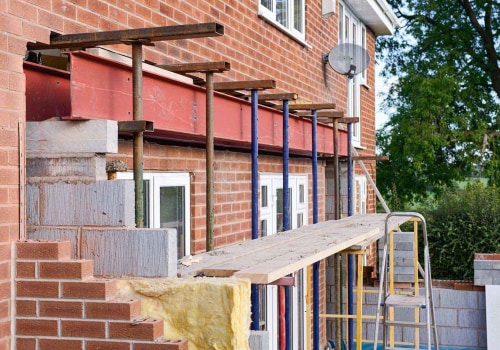
single story extension cost
Building Up vs. Adding On: Evaluating Cost-Effectiveness for Single Story Extensions
Explore the cost-effectiveness of building up versus adding on for single story extensions. Make informed decisions for your home improvement project.
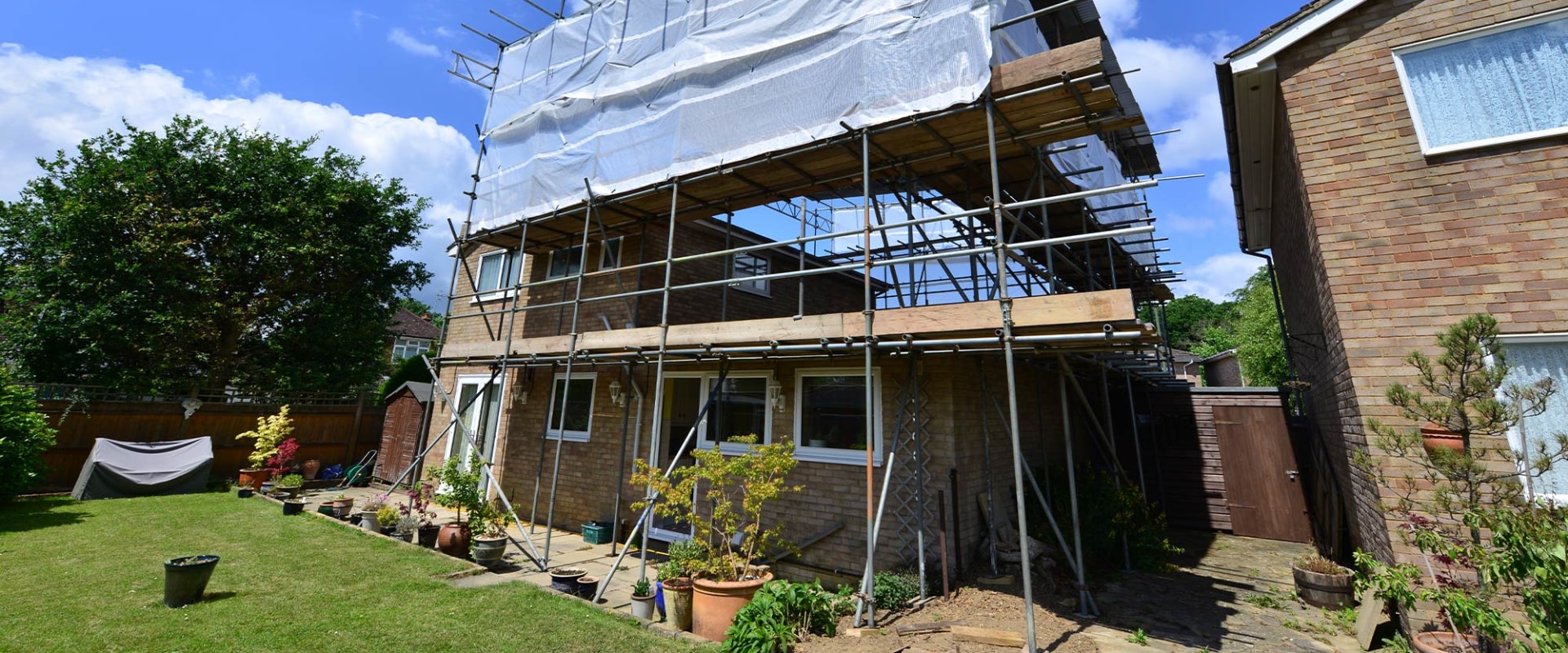
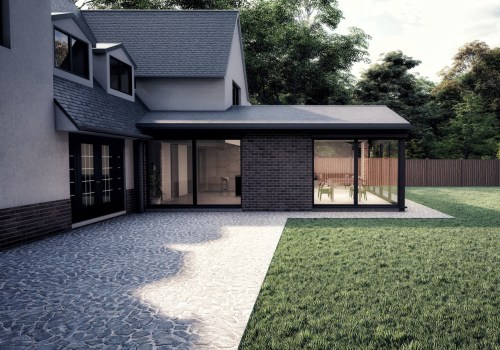
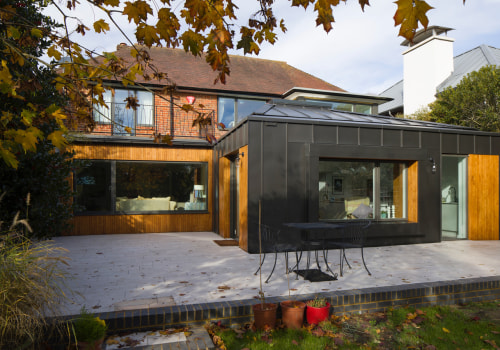
A single story extension is a popular choice for homeowners looking to enhance their living space without the complexities associated with multi-storey constructions. This type of extension involves adding a new room or expanding an existing one on the ground floor, making it an ideal solution for those who prefer to avoid the challenges of building upwards. Whether you want to create a larger kitchen, a spacious living area, or even a home office, single story extensions offer a versatile way to achieve your goals while maintaining the overall aesthetic of your property. Additionally, remodeling a bathroom add value to a home, making it a worthwhile consideration when planning your extension. One of the primary benefits of opting for a single story extension is the potential for increased natural light. is a popular choice for homeowners looking to enhance their living space without the complexities associated with multi-storey constructions. This type of extension involves adding a new room or expanding an existing one on the ground floor, making it an ideal solution for those who prefer to avoid the challenges of building upwards. Whether you want to create a larger kitchen, a spacious living area, or even a home office, single story extensions offer a versatile way to achieve your goals while maintaining the overall aesthetic of your property. Additionally, remodeling a bathroom add value to a home, making it a worthwhile consideration when planning your extension. One of the primary benefits of opting for a single story extension is the potential for increased natural light.
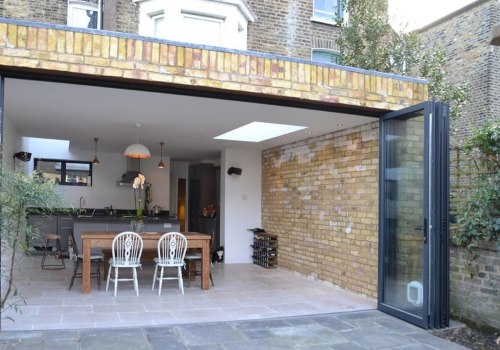
By incorporating large windows or bi-fold doors, homeowners can create bright and airy spaces that seamlessly connect with their gardens or outdoor areas. This not only enhances the visual appeal of your home but also improves the overall quality of life by providing a more inviting atmosphere. Additionally, single story extensions typically require less structural work compared to their multi-storey counterparts, which can lead to reduced construction time and lower costs. When considering the cost of a single story extension , it’s essential to factor in various elements such as materials, design choices, and local regulations. While these extensions can be more affordable than building upwards, costs can still vary significantly based on your specific requirements and location.
Understanding these factors will help you make informed decisions about your project and ensure that you achieve the best possible outcome for your investment. In summary, single story extensions provide an excellent opportunity for homeowners to expand their living space while enjoying numerous benefits such as increased light and reduced construction complexity. As you explore your options between building up or adding on, it’s crucial to weigh the advantages of single story extensions against your unique needs and budget.
Factors Influencing Costs of Extensions
When considering a home extension, understanding the factors influencing costs is crucial for budgeting effectively. Several elements can significantly impact the overall expense of your project, and being aware of these can help you make informed decisions.-
Materials: The choice of materials plays a pivotal role in determining the cost of an extension. High-quality materials, while more expensive upfront, can offer better durability and energy efficiency in the long run.
Common materials include brick, timber, and steel, each with varying price points. Additionally, the aesthetic finish you desire—such as cladding or roofing options—can also affect costs.
- Labour Costs: Labour is often one of the most significant expenses in any construction project. The cost of skilled tradespeople can vary based on location, demand, and the complexity of the work involved. For instance, hiring a specialist for intricate designs or high-end finishes may increase your overall budget.
-
Planning Permissions: Obtaining the necessary planning permissions can add to your costs.
Depending on your local council's regulations, you may need to pay fees for applications and potentially hire professionals to assist with the process. It’s essential to factor in these costs early in your planning to avoid unexpected expenses later on.
- Site Conditions: The existing conditions of your property can greatly influence extension costs. If your site has challenging terrain or requires significant groundwork—such as excavation or foundation reinforcement—these factors will add to your overall budget. Additionally, if there are existing structures that need to be demolished or modified, this will also incur extra costs.
-
Design Complexity: The complexity of your extension design can lead to increased costs.
Simple extensions may require less time and fewer materials, while more elaborate designs with unique features or custom elements will typically be more expensive due to the additional labour and materials required.
Building Up: Pros and Cons
When considering a home extension, building up can offer several advantages that make it an appealing option for many homeowners. However, it is essential to weigh these benefits against potential drawbacks to make an informed decision.Advantages of Building Up
- Maximising Space: One of the most significant benefits of building upwards is the ability to increase your living space without expanding your property’s footprint. This is particularly advantageous in urban areas where land is limited.
-
Cost-Effectiveness: Generally, constructing a second storey can be more cost-effective than adding on to the side or rear of a home.
This is because it often requires less groundwork and fewer materials, especially if the existing foundation can support the additional weight.
- Time Efficiency: Building up can often be completed more quickly than horizontal extensions. The process typically involves less excavation and groundwork, which can significantly reduce construction time.
- Enhanced Views: An upper floor can provide better views and increased natural light, enhancing the overall living experience.
Disadvantages of Building Up
- Structural Considerations: Not all homes are designed to support an additional storey. Homeowners may need to invest in structural reinforcements, which can add to the overall cost.
- Disruption: The process of building upwards can be disruptive, as it often involves significant alterations to the existing structure. Homeowners may need to vacate their property during construction, leading to temporary inconvenience.
- Zoning Regulations: Local zoning laws may impose restrictions on building heights or require specific permits, which can complicate the planning process and potentially delay construction.
Homeowners should conduct thorough research and consult with professionals to assess whether this option aligns with their needs and circumstances.
Adding On: Pros and Cons
When considering home improvements, adding on to an existing structure can be a viable option for many homeowners. This approach offers several advantages, but it also comes with its own set of challenges. Understanding these pros and cons is essential for making an informed decision.Advantages of Adding On
- Increased Living Space: One of the most significant benefits of adding on is the immediate increase in living space. Whether you need an extra bedroom, a larger kitchen, or a dedicated home office, extending your home can provide the room you need without the hassle of moving.
-
Preservation of Outdoor Space: By expanding your home horizontally rather than vertically, you can maintain your garden or outdoor areas.
This is particularly advantageous for families who enjoy outdoor activities and want to keep their yard intact.
- Potentially Lower Costs: In some cases, adding on can be more cost-effective than building upwards. The structural requirements for a single-story extension are often less complex than those needed for a second floor, which may involve significant reinforcement of the existing foundation and roof.
- Improved Aesthetics: A well-planned addition can enhance the overall appearance of your home. It allows for creative design opportunities that can complement the existing architecture and increase curb appeal.
Disadvantages of Adding On
- Space Limitations: Depending on your property size and local zoning laws, there may be restrictions on how much you can expand. This could limit your options and make it challenging to achieve your desired layout.
-
Disruption During Construction: Adding on typically involves significant construction work, which can disrupt your daily life.
Noise, dust, and limited access to certain areas of your home are common during this process.
- Potential for Increased Property Taxes: Expanding your home may lead to an increase in property taxes. Local authorities often reassess property values after significant renovations, which could impact your long-term financial planning.
- Compatibility Issues: Integrating a new addition with the existing structure can sometimes pose challenges. Ensuring that the new space flows seamlessly with the old requires careful planning and design consideration.
Comparative Cost Analysis: Building Up vs.
Adding On
When considering a home extension, understanding the financial implications of building up versus adding on is crucial. Each option presents unique costs and benefits that can significantly impact your overall budget.
Cost Comparison: Building Up
Building upwards typically involves adding a second storey to your existing home. This method can be more cost-effective in certain scenarios, particularly when:
- The existing foundation is strong enough to support additional weight.
- The roof structure can be modified without extensive reinforcement.
- You have limited outdoor space, making vertical expansion a more viable option.
The homeowner found that this investment not only increased their living space but also significantly enhanced the property’s market value.
Cost Comparison: Adding On
On the other hand, adding on to the side or rear of a property can sometimes be less expensive, especially if:
- The ground is level and does not require extensive excavation.
- You are expanding into an area with fewer zoning restrictions.
- Your existing home layout allows for easy integration of new spaces.
Conclusion
Ultimately, the decision between building up or adding on hinges on various factors including your property’s structure, local regulations, and personal preferences.
Conducting a thorough cost analysis tailored to your specific situation will help you make an informed choice that aligns with your budget and lifestyle needs.
Local Regulations and Planning Permissions
When considering a home extension, whether it involves building up or adding on, understanding local regulations and obtaining the necessary planning permissions is crucial. These regulations can significantly influence the feasibility, cost, and timeline of your project.Planning permissions
are legal approvals required before you can commence construction. In the UK, most extensions will require planning permission, especially if they exceed certain size limits or alter the external appearance of your home. It is essential to check with your local council to determine what is required for your specific project. Local regulations can vary widely depending on your location.
For instance, properties in conservation areas or those that are listed may face stricter guidelines regarding alterations. This means that while you may have a vision for a second-storey extension or a side addition, local authorities might impose restrictions that could limit your options.
Zoning Laws and Their Impact
Zoning laws are another critical aspect to consider. These laws dictate how land can be used and can affect the type of extensions you are allowed to build. For example, some areas may have height restrictions that prevent you from building upwards beyond a certain limit.Others may have setback requirements that dictate how far from the property line your extension must be.
- Height Restrictions: Many local councils impose limits on how tall an extension can be, particularly in residential areas.
- Setback Requirements: These rules determine how far back from the street or property line your extension must be built.
- Design Guidelines: Some areas may require that any new construction matches the architectural style of existing buildings.
Choosing the Right Option for Your Home
When it comes to deciding between building up or adding on to your home, several factors must be taken into account to ensure that the choice aligns with your specific needs and circumstances.Each option has its own set of advantages and challenges, making it essential to evaluate your situation thoroughly.
1.Assess Your Property Type
- Space Availability: Consider the layout of your property. If you have a small garden or limited outdoor space, building up may be the more viable option. Conversely, if you have ample land, extending outwards could provide a more spacious solution.
- Structural Integrity: The existing structure of your home plays a crucial role in determining feasibility. Older homes may require significant reinforcement to support an additional storey, which can escalate costs.
2.Budget Constraints
-
Initial Costs: Building up often incurs lower initial costs compared to adding on, as it typically requires less groundwork and fewer materials.
However, unforeseen expenses can arise if structural modifications are necessary.
- Long-Term Value: Consider the potential increase in property value. A well-executed extension can significantly enhance your home’s marketability, whether you choose to build up or out.
3.Future Plans
- Family Growth: If you anticipate needing more space in the future, think about how each option will accommodate that growth. Building up may allow for additional bedrooms without sacrificing outdoor space.
- Resale Considerations: If you plan to sell your home in the near future, consider what potential buyers in your area prefer. In some neighbourhoods, single story extensions may be more desirable than multi-storey homes.
4.Personal Circumstances
-
Lifestyle Needs: Reflect on how you use your space daily.
If you enjoy outdoor activities or gardening, extending outwards might be more beneficial than losing that space to a second floor.
- Aesthetic Preferences: The visual impact of your extension is also important. Think about how each option will blend with the existing architecture of your home and the surrounding area.
FAQs About Single Story Extensions Costs
When considering a single story extension, many homeowners have questions regarding the associated costs. Here, we address some of the most frequently asked questions to provide clarity and assist you in your planning process.What is the average cost of a single story extension?
The average cost of a single story extension can vary significantly based on several factors, including location, size, and the complexity of the design.Generally, homeowners can expect to pay between £1,200 and £2,000 per square metre. This estimate typically includes materials, labour, and basic finishes. However, bespoke designs or high-end materials can push costs higher.
Are there additional costs to consider?
Yes, there are several additional costs that may arise during the construction of a single story extension:- Planning Permission: Depending on your local regulations, you may need to apply for planning permission, which can incur fees.
- Architectural Fees: Hiring an architect to design your extension can add to your overall budget. Expect to pay around 5-15% of the total build cost.
- Site Preparation: If your site requires significant preparation work, such as clearing or levelling, this will increase costs.
- Utilities: Connecting or upgrading utilities like electricity, water, and gas can also add to your expenses.
How can I keep costs down?
To manage and potentially reduce costs for your single story extension:- Plan Ahead: Thorough planning can help avoid unexpected expenses during construction.
- Choose Standard Designs: Opting for standard designs rather than custom ones can save money.
- Get Multiple Quotes: Always obtain quotes from several contractors to ensure you get the best price.
- Consider DIY Options: If you have the skills, taking on some tasks yourself can significantly reduce labour costs.
Is it worth investing in a single story extension?
A single story extension can be a worthwhile investment if it meets your needs for additional space and enhances your property’s value.Many homeowners find that extensions not only improve their living conditions but also increase their home’s market value by up to 20%. However, it’s essential to weigh the costs against your long-term plans and financial situation before proceeding.
Conclusion: Making an Informed Decision
In conclusion, the decision between building up or adding on to your home is not one to be taken lightly. Each option presents its own set of advantages and challenges, and understanding these can significantly impact the overall single story extension cost and the functionality of your living space. Throughout this article, we have explored various factors that influence the cost-effectiveness of both approaches. Building up often proves to be more economical for new constructions due to reduced timeframes and less complex work involved.However, it is essential to consider the structural integrity of your existing home, as adding a second floor may necessitate extensive reinforcement of the foundation and roof. On the other hand, adding on can be a more suitable option for homeowners looking to expand their living areas without the need for significant structural changes. This approach allows for greater flexibility in design and can often be completed in a shorter timeframe. Nevertheless, it may also involve considerable costs related to foundation work and compliance with local zoning laws. When making your decision, it is crucial to evaluate:
- Your current property layout: Assess whether your existing space can accommodate an upward extension or if horizontal expansion is more feasible.
- Your budget: Consider not only the initial costs but also potential long-term expenses associated with maintenance and energy efficiency.
- Your lifestyle needs: Think about how each option aligns with your family's needs now and in the future.
- Local regulations: Ensure that you are aware of any restrictions that may affect your plans.