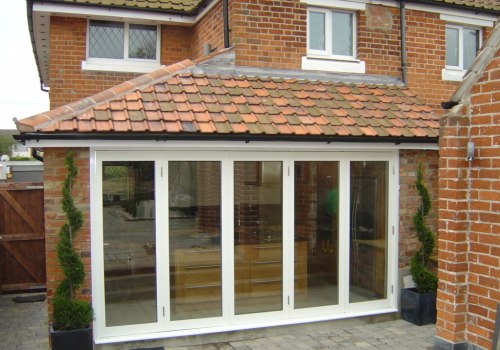
single story extension cost
Exploring the Benefits of a Single-Story Extension: Costs, Considerations, and Design Ideas
Discover the advantages of single-story extensions, including costs, design ideas, and essential considerations for your home improvement project.
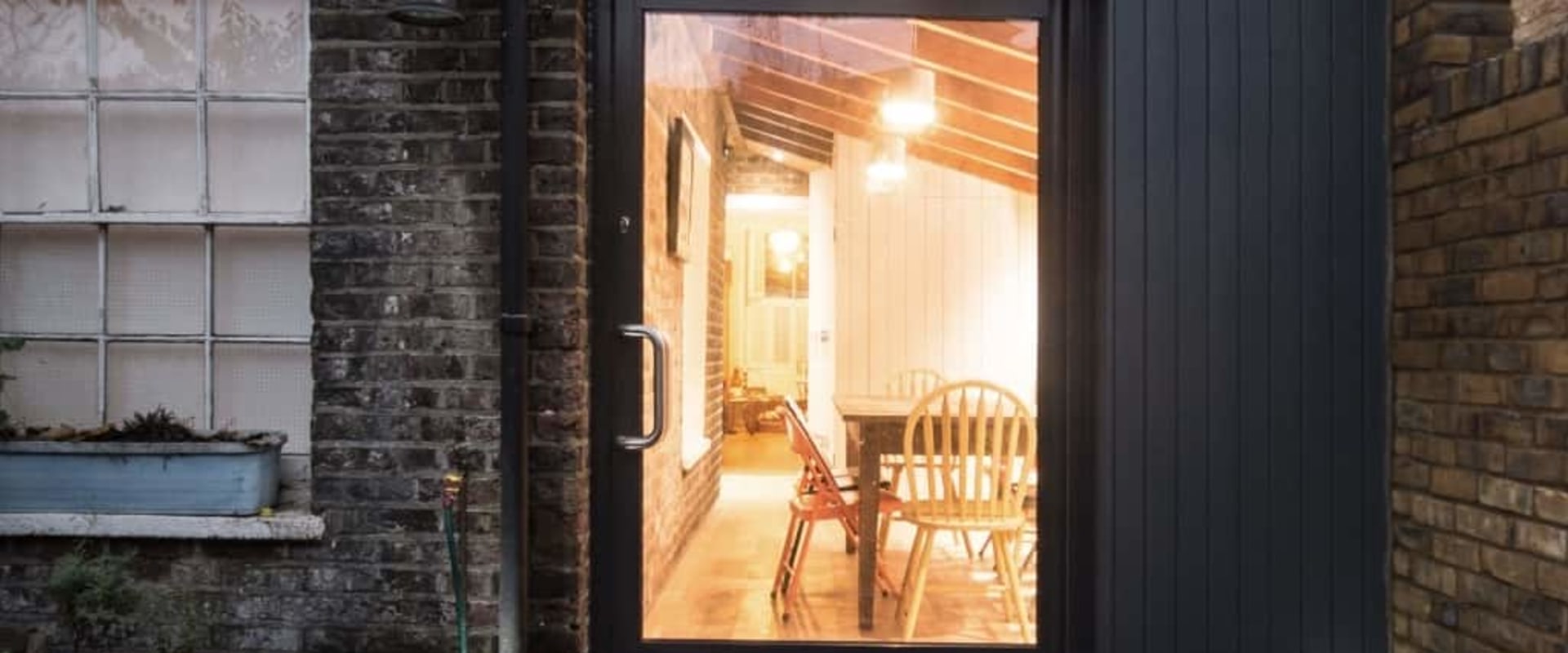
A single-story extension is a popular home improvement option that allows homeowners to expand their living space without the complexities and costs associated with multi-storey builds. Typically added to the rear or side of a property, these extensions provide a seamless transition between the existing home and the new area, enhancing both functionality and aesthetic appeal. As urban living spaces become increasingly limited, many homeowners are turning to single-story extensions as a practical solution to accommodate their growing needs. The primary purpose of a single-story extension is to create additional space that can serve various functions, from a larger kitchen or dining area to a dedicated home office or playroom for children. This flexibility makes them an attractive choice for families looking to improve their quality of life without the upheaval of moving to a new property.
Moreover, single-story extensions can significantly increase the value of your home, making them not just a lifestyle choice but also a sound investment. In addition to their practical benefits, single-story extensions offer numerous advantages over other types of home improvements. They generally require less structural work and fewer materials than multi-storey options, which can lead to lower overall costs. Furthermore, they often fall under permitted development rights, meaning that planning permission may not be necessary in many cases. This streamlined process allows homeowners to realise their vision more quickly and with less bureaucratic hassle. As we delve deeper into the topic of single-story extensions, we will explore their myriad benefits, considerations regarding single story extension cost, and how they can transform your living environment into a more functional and enjoyable space.
The Benefits of a Single-Story Extension
Opting for a single-story extension can significantly enhance your living space, offering a multitude of benefits that cater to both your immediate needs and long-term goals.Here are some compelling reasons to consider this type of home improvement:
- Increased Space: One of the most obvious advantages of a single-story extension is the additional space it provides. Whether you need a larger kitchen, a dedicated home office, or a playroom for the children, this extension allows you to expand your living area without the hassle of moving to a new property.
- Improved Functionality: A single-story extension can be tailored to meet your specific needs. You can design an open-plan layout that promotes better flow and interaction among family members, or create distinct zones for different activities. This flexibility in design ensures that your home works for you and your lifestyle.
- Enhanced Property Value: Investing in a single-story extension can significantly increase the value of your property.
Potential buyers often look for homes with additional living space, and a well-executed extension can make your home more appealing in the competitive real estate market.
- Cost-Effectiveness: Compared to multi-storey extensions, single-story extensions are generally more affordable. They require less structural work and fewer materials, making them a budget-friendly option for homeowners looking to enhance their property.
- Energy Efficiency: Modern building regulations encourage energy-efficient designs. A single-story extension can be constructed with energy-saving materials and techniques, helping to reduce your overall energy bills while creating a comfortable living environment.
- Minimal Disruption: Building a single-story extension typically involves less disruption than larger projects. With fewer structural changes required, you can expect a quicker construction timeline, allowing you to enjoy your new space sooner.
With careful planning and design, this type of extension can transform your living environment into a more enjoyable and efficient space.
Cost Considerations for Single-Story Extensions
When considering a single-story extension, understanding the associated costs is crucial for effective planning and budgeting. The overall single story extension cost can vary significantly based on several factors, which we will explore in detail.Key Cost Factors
- Size of the Extension: The most apparent factor influencing cost is the size of the extension. Larger extensions require more materials and labour, which naturally increases the overall price. It's essential to determine how much space you genuinely need to avoid overspending.
- Materials Used: The choice of materials can greatly affect costs.
High-quality materials such as brick or stone may be more expensive upfront but can offer better durability and aesthetics in the long run. Conversely, opting for cheaper alternatives might save money initially but could lead to higher maintenance costs.
- Design Complexity: A straightforward design will typically be less expensive than a complex one. Features like vaulted ceilings, large glass panels, or intricate roofing can add to the cost. Therefore, it’s wise to balance your design aspirations with your budget.
- Labour Costs: Labour costs can vary based on location and the experience of the builders.
Hiring reputable contractors may come at a premium, but their expertise can ensure a higher quality build and adherence to regulations.
- Planning Permissions and Regulations: While many single-storey extensions fall under permitted development rights, some may still require planning permission or adherence to specific building regulations. These processes can incur additional fees and should be factored into your budget.
Budgeting Tips
To effectively budget for your single-story extension, consider the following tips:
- Create a Detailed Plan: Outline your needs and wants clearly. This will help you avoid unnecessary expenses by focusing on what is essential.
- Get Multiple Quotes: Always seek quotes from several builders to compare prices and services. This will give you a better understanding of the market rate for your project.
- Include Contingency Funds: It’s wise to set aside an additional 10-20% of your budget for unexpected costs that may arise during construction.
- Research Grants or Financial Aid: Look into any local government grants or financial assistance programs that may be available for home improvements, which could help offset some costs.
Planning Permissions and Regulations
When considering a single-storey extension, understanding the necessary planning permissions and building regulations is crucial to ensure your project runs smoothly and legally.In the UK, homeowners often have questions about what is required before embarking on such a project.
Planning Permission for Single-Storey Extensions
In many cases, a single-storey extension can be built under permitted development rights, which means you may not need to apply for full planning permission. However, there are specific conditions that must be met:
- The extension must not exceed 8 meters in depth for detached houses or 6 meters for other types of homes.
- The height of the extension should not exceed 4 meters.
- The materials used should be similar in appearance to the existing house.
- The extension should not extend beyond the front of the original house.
Building Regulations in the UK
Regardless of whether you need planning permission, all building work must comply with building regulations. These regulations ensure that your extension is safe, energy-efficient, and structurally sound.
Key aspects covered by building regulations include:
- Structural integrity: Ensuring that the extension can support its own weight and any additional loads.
- Fire safety: Compliance with fire safety standards to protect occupants.
- Energy efficiency: Meeting energy performance standards to reduce environmental impact.
- Ventilation and drainage: Proper ventilation systems and drainage solutions must be in place.
Legal Requirements for Home Extensions
In addition to planning permissions and building regulations, there are other legal considerations to keep in mind:
- Covenants: Check if there are any restrictions on your property that may affect your ability to extend.
- Party Wall Act: If your extension affects a shared wall with a neighbour, you may need to notify them under this act.
Design Ideas for Your Single-Story Extension
When considering a single-story extension, the design possibilities are vast and can significantly enhance both the functionality and aesthetic appeal of your home. Here are some creative design ideas to inspire your project:Open-Plan Living Spaces
One of the most popular trends in single-story extensions is creating an open-plan living area. This design maximises natural light and creates a seamless flow between different areas of your home.Consider incorporating large bi-fold or sliding doors that open up to your garden, effectively merging indoor and outdoor spaces. This not only enhances the sense of space but also provides a perfect setting for entertaining guests.
Kitchen Extensions
If you love cooking or entertaining, extending your kitchen can be a game-changer. A single-story extension allows for a larger kitchen layout, complete with an island for additional workspace and seating. You can also integrate modern appliances and ample storage solutions to create a functional yet stylish cooking environment.Opt for sleek cabinetry and contemporary finishes to give your kitchen a fresh, modern look.
Home Office Solutions
With more people working from home than ever before, a dedicated home office space is essential. A single-story extension can provide the perfect solution, allowing you to create a quiet, focused environment away from the distractions of family life. Consider soundproofing options and plenty of natural light to enhance productivity. Personalise your office with inspiring decor and ergonomic furniture to make it a comfortable workspace.Garden Rooms
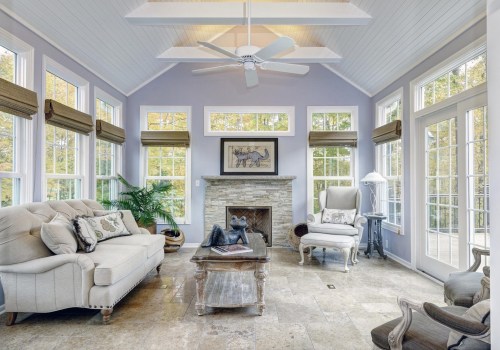
A garden room is an excellent way to extend your living space while bringing the beauty of nature indoors.These extensions can serve various purposes, such as a playroom for children, a hobby room, or even a tranquil reading nook. Use large windows or glass walls to frame views of your garden, creating a serene atmosphere that encourages relaxation.
Stylish Bathrooms
If you're looking to add luxury to your home, consider extending your bathroom. A single-story extension can accommodate features like a freestanding bathtub, double sinks, or even a walk-in shower with rainfall fixtures. Choose high-quality materials such as marble or natural stone for an elegant finish that elevates your daily routine.Eco-Friendly Designs
Incorporating sustainable design elements into your single-story extension can not only reduce your environmental impact but also lower energy costs in the long run.Consider using reclaimed materials, installing solar panels, or incorporating green roofs that support biodiversity. Additionally, ensure that your extension is well-insulated to maintain energy efficiency. Ultimately, the design of your single-story extension should reflect your personal style while meeting the needs of your household. By exploring these ideas and working with experienced designers and builders, you can create a space that enhances both the functionality and beauty of your home.
Energy Efficiency in Single-Story Extensions
When considering a single-story extension, one of the most critical aspects to address is energy efficiency. As homeowners increasingly seek to reduce their carbon footprint and energy bills, integrating sustainable building practices into home extensions has become essential.Not only does this approach benefit the environment, but it also enhances the comfort and value of your home. Energy efficiency in single-story extensions can be achieved through various methods, including:
- Insulation: Proper insulation is vital for maintaining a comfortable temperature within your extension. Using high-quality insulation materials in walls, roofs, and floors can significantly reduce heat loss in winter and keep your space cool in summer.
- Energy-efficient windows: Opting for double or triple-glazed windows can help minimise heat transfer. Look for windows with low U-values, which indicate better insulation properties. Additionally, consider using solar control glass to reduce glare and heat gain from sunlight.
- Natural ventilation: Incorporating design elements that promote natural airflow can enhance indoor air quality while reducing reliance on mechanical cooling systems.
Features such as strategically placed windows, vents, and skylights can facilitate cross-ventilation.
- Renewable energy sources: Installing solar panels on the roof of your extension can provide a sustainable energy source for your home. This not only reduces your reliance on fossil fuels but can also lead to significant savings on energy bills over time.
- Recycled materials: Incorporating recycled bricks, timber, or metal can reduce the environmental impact of your build.
- Sustainable timber: Sourcing timber from certified sustainable forests ensures that you are not contributing to deforestation.
- Low-VOC paints and finishes: Using paints and finishes with low volatile organic compounds (VOCs) helps improve indoor air quality and reduces harmful emissions.
Common Mistakes to Avoid When Planning a Single-Story Extension
When embarking on the journey of planning a single-story extension, homeowners often encounter various pitfalls that can lead to complications, delays, and unexpected costs.To ensure a smooth process and a successful outcome, it’s crucial to be aware of these common mistakes and how to avoid them.
1.Underestimating Costs
One of the most prevalent errors is underestimating the single story extension cost. Many homeowners focus solely on the initial construction expenses, neglecting to account for additional costs such as planning fees, landscaping, and interior finishes. To avoid this mistake, create a comprehensive budget that includes all potential expenses and set aside a contingency fund for unforeseen costs.2.Ignoring Local Regulations
Another significant oversight is failing to research local planning regulations and building codes. While many single-story extensions fall under permitted development rights, there are still specific guidelines that must be adhered to.Not obtaining the necessary permissions can result in fines or even the requirement to demolish your extension. Always consult with your local planning authority before commencing work.
3.Poor Design Choices
Design is a critical aspect of any extension project. Homeowners sometimes rush into decisions without considering how the new space will integrate with their existing home. This can lead to awkward layouts or aesthetics that clash with the original structure.Engage with an experienced architect or designer who can help create a cohesive design that enhances both functionality and visual appeal.
4.Neglecting Energy Efficiency
In today’s environmentally conscious world, overlooking energy efficiency is a mistake that can have long-term repercussions. Extensions should not only comply with building regulations but also aim to improve the overall energy performance of your home. Incorporate energy-efficient materials and systems, such as insulation and windows, to reduce future energy bills and enhance comfort.5.Skimping on Quality
While it may be tempting to cut corners to save money, opting for lower-quality materials or inexperienced contractors can lead to significant issues down the line. Invest in reputable builders and high-quality materials to ensure your extension stands the test of time.A well-constructed extension will not only add value to your home but also provide peace of mind. By being mindful of these common mistakes when planning your single-story extension, you can navigate the process more effectively and create a space that meets your needs while enhancing your home’s value.
Frequently Asked Questions (FAQs)
When considering a single-story extension, many homeowners have questions regarding costs, regulations, and design options. Below are some of the most frequently asked questions that can help clarify these concerns.What is the average cost of a single-story extension?
The cost of a single-story extension can vary significantly based on several factors, including size, materials, and location. On average, homeowners can expect to pay between £1,200 and £2,000 per square metre. This estimate typically includes construction costs but may not cover additional expenses such as planning fees or interior finishes.Do I need planning permission for a single-story extension?
In most cases, a single-story extension falls under permitted development rights, meaning you may not need to apply for planning permission.However, there are specific conditions that must be met, such as the extension not exceeding certain size limits and being built within specific distances from boundaries. It’s always advisable to check with your local planning authority to ensure compliance.
What building regulations apply to single-story extensions?
Even if planning permission is not required, building regulations will still apply. These regulations ensure that the extension is safe and energy-efficient. Key aspects include structural integrity, fire safety, insulation standards, and accessibility.Engaging a qualified builder who understands these regulations is crucial for a successful project.
Can I incorporate eco-friendly features into my single-story extension?
Absolutely! Many homeowners are opting for sustainable designs in their extensions. You can consider features such as solar panels, green roofs, or energy-efficient windows to enhance your home’s sustainability. Not only do these options reduce your carbon footprint, but they can also lead to long-term savings on energy bills.What design options are available for a single-story extension?
The design possibilities for a single-story extension are virtually limitless. You can create an open-plan living area that seamlessly connects with your garden or opt for a more traditional layout with defined rooms.Popular choices include:
- Kitchen Extensions: Expanding your kitchen can create a more functional space for cooking and entertaining.
- Living Rooms: A new living area can provide additional comfort and space for family gatherings.
- Home Offices: With remote work becoming more common, many homeowners are choosing to create dedicated office spaces.
- Playrooms: A designated play area for children can help keep toys organized and provide a safe space for play.
Conclusion: Making Your Single-Story Extension a Reality
In summary, a single-story extension presents an excellent opportunity for homeowners looking to enhance their living space without the complexities and costs associated with multi-storey builds. Throughout this article, we have explored the myriad benefits that such extensions offer, from increased space and improved functionality to enhanced property value and energy efficiency. One of the most compelling reasons to consider a single-story extension is its affordability. Compared to multi-storey options, single-storey extensions typically incur lower construction costs due to reduced structural requirements and simpler designs.This makes them an attractive choice for families seeking to expand their homes without breaking the bank. Moreover, the flexibility in design allows homeowners to tailor their extensions to meet specific needs, whether it’s creating a spacious kitchen, a serene home office, or a vibrant playroom for children. The possibilities are virtually limitless, enabling you to create a space that reflects your lifestyle and preferences. However, it is crucial to approach the planning process with diligence. Ensuring that you have the necessary permissions and adhere to local building regulations is essential for a smooth construction experience. Engaging with experienced builders who understand the nuances of single-story extensions can significantly ease this process and help you avoid potential pitfalls. As you contemplate your home improvement journey, remember that careful planning and consideration will lead to a successful outcome.
A well-executed single-story extension not only enhances your living environment but also adds significant value to your property. So take the time to explore your options, consult with professionals, and envision how a single-story extension can transform your home into the space you’ve always dreamed of. Ultimately, making your single-story extension a reality is within reach. With thoughtful planning and the right support, you can create a beautiful addition that meets your needs and elevates your home for years to come.