single story extension cost
The Comprehensive Guide to Single Storey Extensions: Understanding Costs and Considerations
Explore the costs, planning, and design of single storey extensions to enhance your home and increase its value.
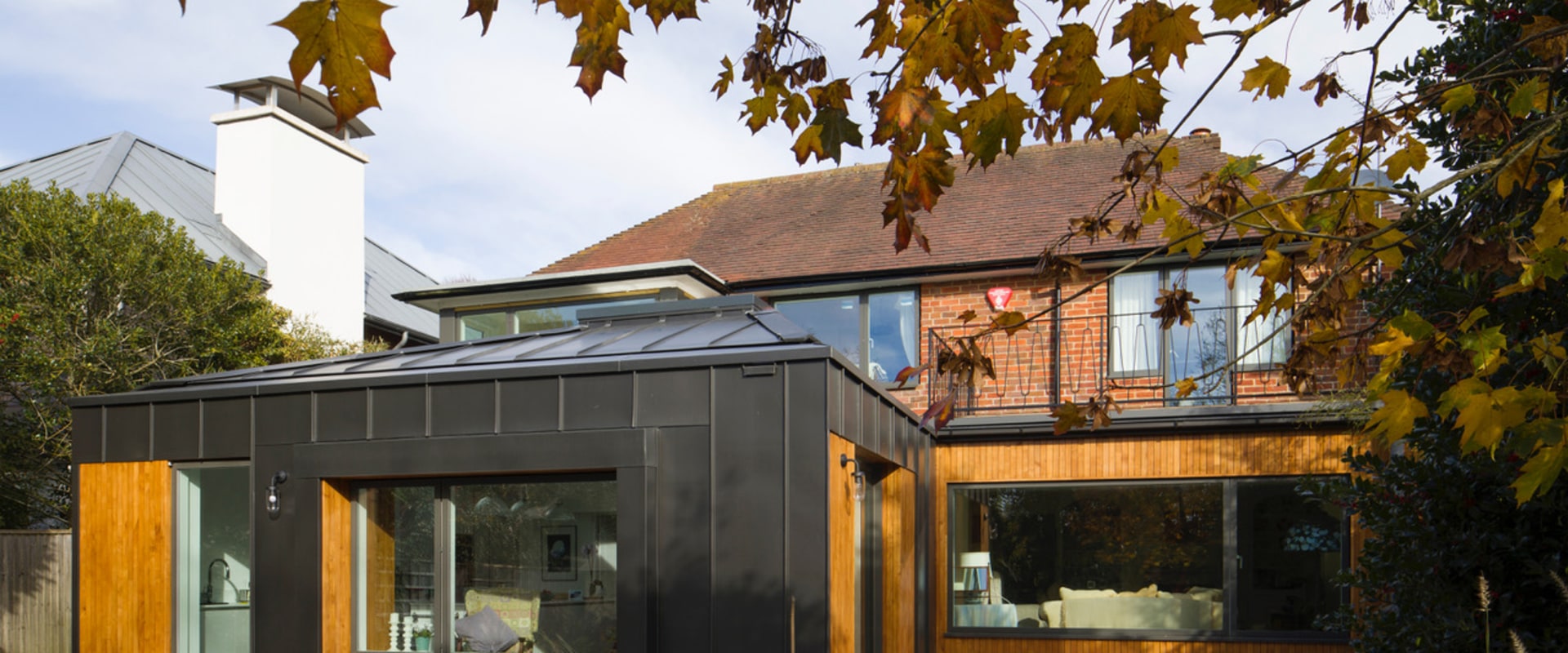
In recent years, the trend of single storey extensions has gained significant traction among homeowners across the UK. These extensions offer a practical solution for those looking to enhance their living space without the complexities and costs associated with multi-storey builds. Whether it’s to create a larger kitchen, a sunlit living area, or an additional bedroom, single storey extensions provide a versatile option that can be tailored to meet various needs and preferences. The appeal of single storey extensions lies not only in their functionality but also in their potential to add value to a property. Homeowners are increasingly recognising that investing in such extensions can yield substantial returns, particularly in a competitive housing market.
However, understanding the costs involved is crucial for anyone considering this type of project. From initial planning and design fees to construction and finishing touches, the financial implications can vary widely based on factors such as size, materials, and location. Moreover, while the benefits of single storey extensions are clear, there are essential planning considerations that must be taken into account. Homeowners need to navigate local regulations and guidelines to ensure compliance and avoid potential pitfalls. This includes understanding whether planning permission is required, what building regulations apply, and how to effectively communicate with neighbours about the proposed changes.
By addressing these aspects early in the process, homeowners can streamline their project and minimise disruptions. As we delve deeper into the specifics of single storey extensions, we will explore not only the associated costs but also the myriad benefits they offer and the critical planning considerations that should guide your decision-making process. This comprehensive overview aims to equip you with the knowledge needed to embark on your extension journey with confidence.
Understanding Single Storey Extension Costs
When considering a single storey extension, understanding the costs involved is essential for effective budgeting and planning. The average cost of a single storey extension can vary significantly based on several factors, including location, size, and the complexity of the design. On average, homeowners in the UK can expect to pay between £1,200 and £2,000 per square metre for a single storey extension. This price range typically includes materials, labour, and basic finishes.However, it’s important to note that these figures can fluctuate based on specific requirements and local market conditions.
Factors Affecting Cost
- Location: The cost of labour and materials can vary greatly depending on where you live. Urban areas often have higher costs compared to rural locations.
- Size: Naturally, larger extensions will incur higher costs due to increased material and labour requirements. It’s crucial to balance your needs with your budget.
- Design Complexity: A simple rectangular extension will generally be less expensive than a more complex design that includes features like vaulted ceilings or extensive glazing.
- Finishes: The choice of finishes can significantly impact the overall cost. High-end materials or bespoke features will increase your budget.
- Planning Permissions: If your project requires planning permission or building regulations approval, this can add additional costs in terms of fees and potential alterations to your plans.
Budgeting for Extensions
When budgeting for a single storey extension, it’s wise to include a contingency fund of around 10-15% of the total estimated cost.This will help cover any unexpected expenses that may arise during construction. Additionally, consider the following tips:
- Get Multiple Quotes: Always seek quotes from several builders to ensure you’re getting a fair price.
- Plan for Additional Costs: Don’t forget to factor in costs for landscaping, interior furnishings, and any necessary utility upgrades.
- Consult Professionals: Engaging with architects or builders early in the process can provide valuable insights into realistic costs and help you avoid common pitfalls.
Factors Influencing the Cost of Single Storey Extensions
When considering a single storey extension, understanding the various factors that influence the overall cost is crucial for effective budgeting and planning. Here are the primary elements that can significantly impact the financial outlay for your project:1.Materials Used
The choice of materials is one of the most significant cost determinants in any construction project. High-quality materials, such as natural stone or premium timber, can elevate the aesthetic appeal and durability of your extension but will also increase costs.Conversely, opting for more economical materials like concrete blocks or standard bricks can help keep expenses down. Additionally, consider:
- Insulation: Investing in good insulation materials can reduce long-term energy costs.
- Windows and Doors: Double or triple-glazed windows may have a higher upfront cost but offer better energy efficiency.
2.Location of the Property
Your property's location plays a pivotal role in determining costs. Urban areas often have higher labour and material costs due to demand and accessibility issues. In contrast, rural locations may offer lower costs but could incur additional expenses related to transportation and logistics.Factors to consider include:
- Accessibility: Difficult-to-reach sites may require special equipment or additional labour.
- Local Regulations: Some regions have stricter building codes that could necessitate more expensive compliance measures.
3.Design Complexity
The complexity of your extension's design can also affect costs significantly. A straightforward rectangular extension will generally be less expensive than a more intricate design featuring multiple angles, varying roof heights, or bespoke features. Considerations include:- Architectural Fees: More complex designs often require professional architects, which can add to your budget.
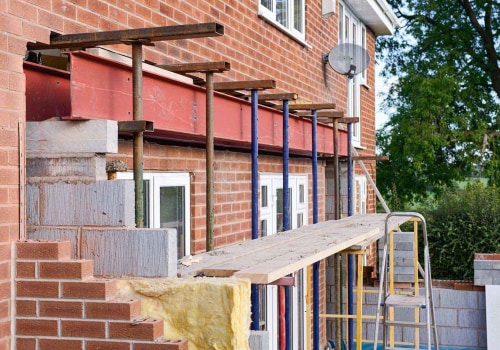
- Structural Engineering: If your design involves significant structural changes, hiring a structural engineer may be necessary.
Planning Permission and Building Regulations
When considering a single storey extension, understanding the legal landscape is crucial.In the UK, the rules surrounding planning permission and building regulations can be complex, but they are essential for ensuring that your extension is both safe and compliant.
Planning Permission
Generally, you may not need to apply for planning permission if your extension falls within certain parameters defined by permitted development rights. These rights allow homeowners to make specific alterations without the need for formal approval. For single storey extensions, the key criteria include:
- The extension must not exceed 4 meters in height.
- The extension should not extend beyond the rear wall of the original house by more than 3 meters (or 4 meters for detached houses).
- The total area of ground covered by the extension must not exceed 50% of the total area of land around the original house.
Building Regulations
Even if your single storey extension does not require planning permission, it will still need to comply with building regulations.
These regulations are designed to ensure that building work is safe and meets minimum standards for health and safety, energy efficiency, and accessibility. Key aspects of building regulations include:
- Structural integrity: The extension must be structurally sound and able to support its own weight.
- Fire safety: Adequate fire safety measures must be in place, including escape routes and fire-resistant materials.
- Insulation: The extension should meet specific thermal performance standards to improve energy efficiency.
- Ventilation: Proper ventilation must be provided to prevent moisture build-up and ensure air quality.
Conclusion
Navigating the requirements for planning permission and building regulations can seem daunting, but understanding these legalities is vital for a successful single storey extension. Always consider seeking professional advice from architects or builders who are familiar with local regulations to help streamline the process and avoid potential pitfalls.
Design Considerations for Your Extension
When planning a single storey extension, thoughtful design is crucial to ensure that the new space not only meets your needs but also complements your existing home.Here are some key considerations to keep in mind:
Maximizing Space
One of the primary goals of any extension is to maximize the available space. Here are some effective strategies:- Open Plan Layouts: Consider an open plan design that merges the extension with existing living areas. This can create a more spacious feel and improve flow throughout your home.
- Multi-Functional Spaces: Design areas that serve multiple purposes, such as a combined kitchen and dining area, which can be ideal for family gatherings and entertaining guests.
- Vertical Space: Don’t forget about vertical space. High ceilings can make a room feel larger, and incorporating tall cabinets or shelving can help utilize this space effectively.
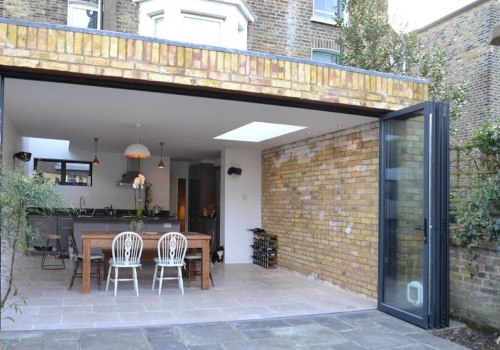
- Natural Light: Maximize natural light through large windows or bi-fold doors.
This not only enhances the aesthetic appeal but also makes the space feel more open and inviting.
Architectural Styles
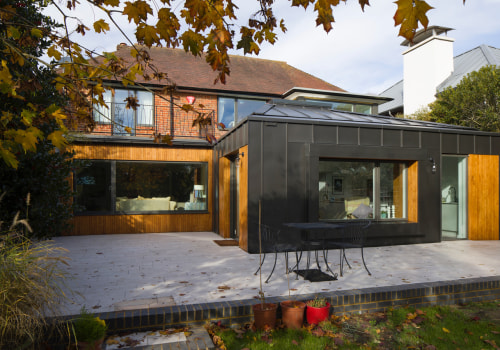
The architectural style of your extension should harmonize with your existing property while also reflecting your personal taste. Here are some popular styles to consider:- Contemporary: Clean lines, large glass panels, and minimalistic designs characterize contemporary extensions. This style often features flat roofs and open spaces, making it a popular choice for modern homes.
- Traditional: If your home has a classic design, consider a traditional extension that uses similar materials and architectural details. This could include brickwork that matches your existing structure or features like gabled roofs.
- Cottage Style: For homes with a quaint charm, a cottage-style extension can enhance the overall aesthetic.
Think about using timber cladding, pitched roofs, and decorative elements like window boxes.
- Sustainable Design: Incorporating eco-friendly materials and energy-efficient features can not only reduce your carbon footprint but also add value to your home. Consider solar panels, green roofs, or reclaimed materials for a sustainable approach.
The Importance of Hiring Professionals
When embarking on a project as significant as a single storey extension, the decision to hire professionals can greatly influence the outcome. Engaging experienced architects and builders not only enhances the quality of your extension but also streamlines the entire process, making it more efficient and less stressful.Expertise in Design and Compliance
One of the primary advantages of hiring an architect is their expertise in design.They can help you create a space that is not only functional but also aesthetically pleasing, ensuring that it complements your existing home. Furthermore, architects are well-versed in local building regulations and planning permissions, which can be complex and vary significantly from one area to another. Their knowledge helps to avoid potential legal issues that could arise from non-compliance.
Efficient Project Management
Professional builders bring invaluable project management skills to the table. They coordinate various aspects of the construction process, from scheduling tradespeople to sourcing materials.This level of organisation can save you considerable time and prevent costly delays. A builder’s experience allows them to foresee potential challenges and address them proactively, ensuring that your project stays on track.
Cost-Effectiveness
While it may seem like an additional expense to hire professionals, their involvement can actually lead to cost savings in the long run. Experienced builders often have established relationships with suppliers, which can result in better pricing on materials. Additionally, their expertise can help prevent costly mistakes that might occur if you were to manage the project yourself.Quality Assurance
Hiring professionals ensures a higher standard of workmanship.Builders who are skilled and experienced are more likely to deliver quality results that meet or exceed your expectations. This is particularly important for structural elements of your extension, where safety and durability are paramount.
Peace of Mind
Finally, engaging professionals provides peace of mind throughout the construction process. Knowing that experts are handling your project allows you to focus on other aspects of your life without the constant worry about compliance issues or construction delays. This reassurance is invaluable when undertaking such a significant investment in your home. In conclusion, while hiring architects and builders may require an upfront investment, their expertise in design, compliance, project management, cost-effectiveness, quality assurance, and overall peace of mind makes them indispensable for a successful single storey extension project.Financing Your Single Storey Extension
When considering a single storey extension, understanding your financing options is crucial.Home extensions can be a significant investment, and having a clear financial plan can help you manage costs effectively. Here are some common financing options available to homeowners:
- Personal Loans: Personal loans are a popular choice for funding home renovations. They typically offer fixed interest rates and flexible repayment terms. However, it’s essential to compare different lenders to find the best rates and terms that suit your financial situation.
- Home Equity Loans: If you have built up equity in your home, a home equity loan can be an excellent way to finance your extension.
This type of loan allows you to borrow against the value of your home, often at lower interest rates than personal loans. Keep in mind that this option puts your home at risk if you fail to repay the loan.
- Remortgaging: Remortgaging involves switching your existing mortgage to a new deal, often with a higher amount to cover the cost of the extension. This can be beneficial if you can secure a lower interest rate or better terms. However, it’s important to consider any fees associated with remortgaging.
- Government Grants and Schemes: Depending on your location and circumstances, there may be government grants or schemes available to assist with home improvements.
These can vary widely, so it’s worth researching local initiatives that may help reduce your overall costs.
- Get Multiple Quotes: Always obtain quotes from several contractors before making a decision. This will give you a better understanding of the market rate and help you avoid overpaying.
- Include Contingency Funds: It’s wise to set aside an additional 10-20% of your budget for unexpected expenses that may arise during construction.
- Prioritise Your Needs: Determine which aspects of the extension are essential and which are optional. This will help you allocate funds more effectively and make informed decisions about where to cut costs if necessary.
Common Mistakes to Avoid When Planning an Extension
When embarking on a project to add a single storey extension, homeowners often encounter various pitfalls that can lead to delays, increased costs, and dissatisfaction with the final result.Understanding these common mistakes can help you navigate the planning process more effectively.
1.Underestimating Costs
One of the most significant errors is underestimating the single storey extension cost. Many homeowners focus solely on construction expenses, neglecting to account for additional costs such as:- Architectural fees
- Planning application fees
- Building regulations approval
- Landscaping and interior finishing
- Unexpected contingencies
2.Ignoring Local Regulations
Failing to research local planning regulations can lead to significant setbacks. Each council has specific rules regarding extensions, including size limitations and design guidelines. Not adhering to these regulations can result in:- Rejection of planning applications
- Legal issues or fines
- Mandatory alterations or demolitions
3.Skipping Professional Help
Some homeowners attempt to manage the entire project independently, which can lead to oversights and mistakes.Engaging professionals such as architects, builders, and surveyors can provide invaluable expertise in:
- Designing a functional layout
- Navigating planning permissions
- Ensuring structural integrity
- Managing timelines and budgets effectively
4.Neglecting Neighbour Relations
Your neighbours can significantly impact your extension project. Failing to communicate your plans can lead to disputes or objections that may delay your project. To foster good relations:- Inform your neighbours about your plans early on.
- Address any concerns they may have.
- Consider their views when designing your extension.
5.Overlooking Future Needs
When planning your extension, it’s essential to consider not just your current needs but also future requirements. This foresight can prevent the need for further extensions down the line.Think about:
- Your family’s growth or changes in lifestyle.
- The potential for resale value and market trends.
- The adaptability of the space for different uses.
FAQs About Single Storey Extensions
When considering a single storey extension, homeowners often have numerous questions. Here are some of the most frequently asked questions along with expert answers to help clarify common concerns.What is the average single storey extension cost?
The cost of a single storey extension can vary significantly based on several factors, including size, materials, and location. On average, homeowners can expect to pay between £1,200 and £2,000 per square metre. This estimate typically includes construction costs but may not cover additional expenses such as planning fees or interior finishes.Do I need planning permission for a single storey extension?
In many cases, you may not need planning permission if your extension falls within permitted development rights.However, this is subject to specific conditions, such as the height and size of the extension. It’s advisable to check with your local council to confirm whether your project requires formal approval.
How long does it take to build a single storey extension?
The duration of construction for a single storey extension can range from 8 to 12 weeks, depending on the complexity of the design and any unforeseen delays. Factors such as weather conditions and the availability of materials can also impact the timeline.Will a single storey extension add value to my home?
Yes, a well-planned and executed single storey extension can significantly increase your property’s value. Research indicates that extensions can add up to 20% to the overall value of your home, making them a worthwhile investment for many homeowners.What are the common issues faced during construction?
- Unexpected costs: Homeowners should budget for potential overruns due to unforeseen circumstances.
- Disruption: Construction can be noisy and disruptive; planning around this is essential.
- Building regulations: Ensuring compliance with local building codes is crucial to avoid legal issues.
Conclusion: Key Takeaways on Single Storey Extensions
In conclusion, embarking on a single storey extension can be an exciting yet complex journey for homeowners.Understanding the single storey extension cost is crucial, as it encompasses various factors that can significantly influence your budget and overall project outcome.
Key Takeaways:
- Planning Permissions: Always check whether you need planning permission or if your project falls under permitted development rights. This can save you time and potential legal issues down the line.
- Building Regulations: Even if planning permission is not required, obtaining a building permit is essential to ensure that your extension meets safety and structural standards.
- Cost Considerations: The cost of a single storey extension can vary widely based on size, materials, and location. It’s advisable to obtain multiple quotes from builders and consider all potential expenses, including design fees and unexpected costs.
- Consulting Professionals: Engaging with architects or builders who specialise in home extensions can provide invaluable insights and help navigate the complexities of the process.
- Impact on Property Value: A well-planned extension can enhance your property’s value, making it a worthwhile investment. However, ensure that the design complements the existing structure to maximise appeal.
By understanding the costs involved and adhering to local regulations, you can create a space that not only meets your needs but also adds value to your home. Take the time to weigh your options, consult with experts, and plan meticulously to ensure that your extension project is both rewarding and stress-free.