single story extension cost
Understanding the Importance of Proper Foundations for a Single-Storey Extension: Costs and Considerations
Discover the importance of proper foundations for single-storey extensions, including costs, types, and essential considerations.
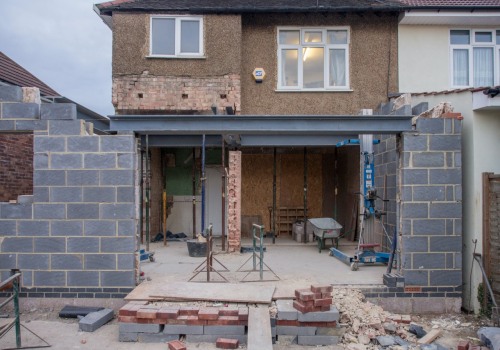
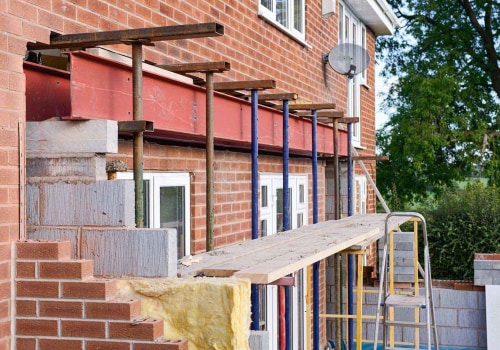
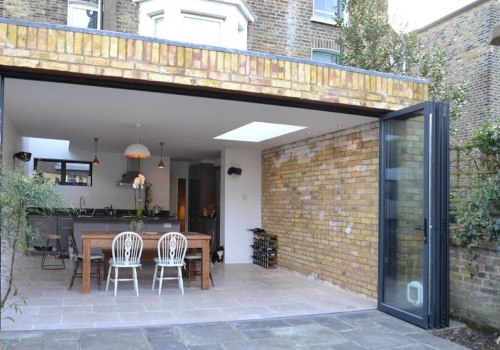
In recent years, the popularity of single-storey extensions has surged among homeowners looking to enhance their living space without the complexities of a multi-storey build. These extensions offer a practical solution for families needing extra room for a growing household, a home office, or simply a more spacious kitchen or living area. However, while the aesthetic and functional benefits of these extensions are often highlighted, one critical aspect that cannot be overlooked is the importance of proper foundations. The foundation serves as the backbone of any structure, and this is especially true for single-storey extensions. A well-designed foundation not only supports the weight of the extension but also ensures its stability and longevity.
Without adequate foundations, even the most beautifully designed extension can suffer from structural issues, leading to costly repairs and potential safety hazards. Therefore, understanding the single storey extension cost should encompass not just the visible elements of construction but also the foundational work that lies beneath. When planning a single-storey extension, it is essential to consider various factors that influence foundation requirements. These include soil type, drainage conditions, and the proximity to existing structures. Each of these elements plays a significant role in determining how deep and robust your foundations need to be.
Engaging with professionals who can assess these factors will not only help in achieving compliance with local building regulations but also ensure that your investment is protected against future complications. In summary, while the allure of expanding your home with a single-storey extension is undeniable, it is crucial to prioritise the foundations that will support this new space. By doing so, you can avoid unforeseen expenses and ensure that your extension remains a valuable addition to your property for years to come.
Understanding Foundation Types for Single-Storey Extensions
When planning a single-storey extension, one of the most critical decisions you will face is selecting the appropriate type of foundation. The foundation serves as the backbone of your extension, providing stability and support for the structure above. Understanding the various foundation types available can help you make an informed choice that aligns with your specific project requirements and site conditions.1.Strip Foundations
Strip foundations are among the most common types used for single-storey extensions.They consist of a continuous strip of concrete that runs beneath the walls of the extension. This type of foundation is particularly suitable for stable soil conditions and is often used when the load-bearing requirements are moderate. The depth and width of strip foundations can vary based on local building regulations and soil type, but they typically require a trench that is at least 1 meter deep.
2.Pad Foundations
Pad foundations, also known as isolated footings, are another viable option for single-storey extensions. These foundations consist of individual concrete pads that support specific points of the structure, such as columns or load-bearing walls.Pad foundations are ideal for sites with varying soil conditions or where loads are concentrated in specific areas. They require less excavation than strip foundations and can be a cost-effective solution when designed correctly.
3.Raft Foundations
Raft foundations, or mat foundations, provide a large, continuous slab of concrete that supports the entire structure. This type is particularly beneficial in areas with poor soil conditions or where there is a risk of differential settlement. Raft foundations distribute the weight of the building evenly across a larger area, reducing the risk of structural issues over time.While they may involve higher initial costs due to increased material use, they can save money in the long run by preventing costly repairs associated with foundation failure.
4.Choosing the Right Foundation
The choice between these foundation types depends on several factors:- Soil Type: Conducting a soil test can provide valuable insights into its load-bearing capacity and moisture content.
- Extension Size: Larger extensions may require more robust foundation solutions to support increased weight.
- Local Regulations: Always consult with local building codes and regulations to ensure compliance.
- Budget: Consider both initial costs and long-term implications when selecting a foundation type.
Factors Influencing Foundation Depth and Cost
When planning a single-storey extension, understanding the factors that influence foundation depth and cost is essential. The foundation serves as the backbone of your extension, ensuring stability and longevity. Here are the key elements to consider:- Soil Type: The type of soil on your property significantly impacts foundation depth.
Different soils have varying load-bearing capacities. For instance, clay soils can expand and contract with moisture changes, necessitating deeper foundations to reach stable ground. Conversely, sandy soils may require less depth but can be prone to shifting.
- Load Capacity: The weight that the foundation must support is another critical factor. A larger extension or one with heavy materials will require a more robust foundation.
Assessing the load capacity of the existing structure and the intended extension is vital for determining the appropriate foundation depth.
- Local Regulations: Building codes and regulations vary by location and can dictate minimum foundation depths. It’s crucial to consult with local authorities or a structural engineer to ensure compliance with these regulations, as failing to do so can lead to costly modifications later on.
- Site Conditions: The specific conditions of your site, such as drainage patterns and proximity to trees or watercourses, can also affect foundation requirements. For example, if your extension is near large trees, their roots may necessitate deeper foundations to avoid future damage.
- Construction Method: The method chosen for constructing the extension can influence foundation depth and cost. For example, a traditional strip foundation may be less expensive than a piled foundation but could require more excavation work depending on soil conditions.
Engaging with professionals early in the planning process can provide valuable insights tailored to your specific situation, ultimately saving you time and money in the long run.
The Role of Soil Testing in Foundation Planning
Before embarking on a single-storey extension, one of the most critical steps is conducting thorough soil testing. This process is essential for understanding the ground conditions where your extension will be built. The results of soil tests can significantly influence the design and depth of the foundations, ultimately affecting the overall single story extension cost.Why Soil Testing is Important
- Load-Bearing Capacity: Different soil types have varying load-bearing capacities. For instance, clay soils may require deeper foundations compared to sandy soils.
By identifying the soil type, you can determine how much weight it can support, which is crucial for foundation planning.
- Soil Composition: Soil tests reveal the composition of the ground, including the presence of organic materials, rocks, or water. This information helps in selecting appropriate foundation types and materials that will ensure stability and longevity.
- Moisture Levels: Understanding moisture levels in the soil is vital. High moisture content can lead to soil expansion or contraction, which may compromise foundation integrity over time. Soil testing can help predict these changes and inform necessary precautions.
Types of Soil Tests
There are several types of soil tests that can be conducted:
- Standard Penetration Test (SPT): This test measures the resistance of soil to penetration and provides valuable data on soil density and strength.
- Soil Boring: This involves drilling into the ground to collect samples at various depths, allowing for a comprehensive analysis of soil layers.
- Laboratory Analysis: Collected samples are often sent to a laboratory for detailed analysis, including grain size distribution and plasticity tests.
The Impact on Foundation Design
The insights gained from soil testing directly inform foundation design decisions.
For example, if tests indicate weak soil conditions, engineers may recommend deeper or reinforced foundations to ensure stability. Conversely, if the soil is found to be strong and stable, it may allow for more cost-effective foundation solutions. In conclusion, investing in soil analysis before starting your single-storey extension is not just a precaution; it is a fundamental step that can save you money and headaches in the long run. By understanding your site’s unique soil conditions, you can make informed decisions that enhance the safety and durability of your extension while optimising costs.
Building Regulations and Compliance for Foundations
When planning a single-storey extension, understanding building regulations is essential for ensuring that your foundations are compliant with legal standards. These regulations are designed to guarantee safety, structural integrity, and environmental protection.Failure to adhere to these guidelines can lead to significant legal issues, including fines or the requirement to demolish non-compliant structures. The first step in ensuring compliance is to consult your local council's building control department. They provide detailed information on the specific regulations that apply to your area, which can vary based on local conditions and planning policies. Generally, the following key aspects must be considered:
- Foundation Depth: The depth of your foundations must be sufficient to reach stable ground. This often requires a minimum depth of 1 meter, but local soil conditions may necessitate deeper foundations.
- Soil Type: Different soil types have varying load-bearing capacities.
A soil test may be required to determine the appropriate foundation design.
- Drainage: Proper drainage systems must be in place to prevent water accumulation around the foundations, which can lead to structural damage over time.
- Materials Used: The materials for your foundations must meet specific standards for durability and strength. This includes using concrete that complies with British Standards.
In some cases, you may need to implement protective measures or adjust your foundation design accordingly. Finally, once construction begins, regular inspections by building control officers will ensure that all work complies with the approved plans and regulations. It is advisable to keep thorough documentation of all communications and approvals throughout this process. By understanding and adhering to these legal requirements for foundations, you can avoid potential pitfalls and ensure that your single-storey extension is safe, compliant, and built to last.
Cost Breakdown: What to Expect When Budgeting for Foundations
When planning a single-storey extension, understanding the cost breakdown for foundations is crucial for effective budgeting. The foundation type you choose can significantly influence the overall expenses, and various factors come into play when estimating these costs.Types of Foundations and Their Costs
- Strip Foundations: Typically the most common choice for single-storey extensions, strip foundations are generally less expensive. The average cost ranges from £100 to £150 per linear metre, depending on soil conditions and depth requirements.
- Pad Foundations: Used for lighter structures or where soil conditions are favourable, pad foundations can cost between £120 and £180 per square metre.
They require less excavation than strip foundations but may still need additional reinforcement.
- Raft Foundations: Ideal for unstable or expansive soils, raft foundations distribute the weight of the structure over a larger area. These can be more costly, averaging between £150 and £250 per square metre due to the increased amount of concrete and reinforcement needed.
- Piled Foundations: In cases where traditional foundations are not feasible, piled foundations may be necessary. This method can be significantly more expensive, with costs ranging from £200 to £400 per pile, depending on depth and soil conditions.
Factors Influencing Foundation Costs
Several factors can affect the overall cost of your foundation:
- Soil Type: The nature of the soil on your property plays a critical role in determining foundation depth and type. Clay soils may require deeper foundations compared to sandy soils.
- Site Accessibility: If your site is difficult to access, it may increase labour costs and equipment hire fees.
- Local Regulations: Building regulations can vary by location, potentially affecting the type of foundation required and associated costs.
- Additional Features: If your extension includes features like underfloor heating or a basement, these will add to the foundation costs due to the need for more complex designs.
By understanding these elements, you can create a realistic budget that accommodates all necessary expenses while ensuring a solid base for your new space.
Common Mistakes to Avoid When Planning Foundations
When planning the foundations for a single-storey extension, homeowners often encounter several common mistakes that can lead to significant issues down the line. By being aware of these pitfalls, you can save yourself from costly errors and ensure a solid base for your extension.- Neglecting Soil Assessment: One of the most critical steps in foundation planning is conducting a thorough soil assessment. Many homeowners overlook this aspect, assuming that their existing ground is suitable for construction. However, different soil types have varying load-bearing capacities.
Failing to evaluate the soil can result in inadequate foundations that may lead to settlement or structural failure.
- Inadequate Depth Consideration: Another frequent mistake is not digging deep enough for the foundations. The depth required can vary based on local building regulations, soil conditions, and the weight of the extension. A shallow foundation may not provide the necessary support, leading to cracks and instability over time.
- Ignoring Drainage Needs: Proper drainage is essential for any foundation. Homeowners often forget to plan for adequate drainage systems, which can result in water pooling around the foundation.
This excess moisture can weaken the structure and lead to damp issues within the extension.
- Cutting Corners on Materials: In an effort to reduce single storey extension cost, some may opt for cheaper materials or shortcuts in construction. While it might seem like a good idea initially, using subpar materials can compromise the integrity of the foundation and lead to more expensive repairs in the future.
- Failing to Consult Professionals: Many homeowners attempt to manage their extension projects without professional guidance. While DIY projects can be rewarding, consulting with structural engineers or builders who understand local regulations and best practices is crucial. Their expertise can help you avoid common errors and ensure that your foundations are built correctly.
Taking the time to properly assess your site, consult with professionals, and invest in quality materials will ultimately pay off in both safety and longevity.
FAQs About Single-Storey Extension Foundations and Costs
When considering a single-storey extension, many homeowners have questions regarding the foundations and the associated costs. Below are some of the most frequently asked questions that can help clarify these important aspects.What type of foundations are required for a single-storey extension?
The type of foundation needed for a single-storey extension typically depends on the soil conditions and the weight of the structure. Common options include:- Strip Foundations: These are shallow foundations that run along the perimeter of the extension, suitable for most single-storey builds.
- Pad Foundations: Used for heavier structures, these foundations consist of individual pads that support columns or walls.
- Raft Foundations: Ideal for unstable or poor soil conditions, raft foundations spread the load over a larger area.
How deep should the foundations be?
The depth of the foundations for a single-storey extension generally ranges from 1 to 1.5 meters, depending on local building regulations and soil type. It is crucial to consult with a structural engineer to determine the appropriate depth based on your specific site conditions.What factors influence the cost of single-storey extension foundations?
The cost of foundations can vary significantly based on several factors:- Soil Type: Poor soil conditions may require deeper or more complex foundations, increasing costs.
- Foundation Type: The choice between strip, pad, or raft foundations will affect material and labour costs.
- Site Accessibility: Difficult access can lead to higher labour costs and equipment rental fees.
- Local Regulations: Compliance with local building codes may necessitate additional work or inspections, impacting overall expenses.
Are there any hidden costs associated with foundation work?
Yes, there can be hidden costs when it comes to foundation work.These may include:
- Soil Testing: Before construction begins, soil tests may be required to assess load-bearing capacity.
- Excavation Costs: If significant excavation is needed, this can add to your budget.
- Drainage Solutions: Proper drainage systems may need to be installed to prevent water damage in the future.
Conclusion: The Importance of Investing in Proper Foundations
In conclusion, the significance of investing in proper foundations for a single-storey extension cannot be overstated. The foundation serves as the bedrock of your extension, ensuring its stability, safety, and longevity. As we have explored throughout this article, the single story extension cost is not merely a reflection of materials and labour; it encompasses the critical aspect of foundation depth and type, which directly influences the overall success of your project. When planning your extension, it is essential to consider various factors that affect foundation requirements. These include soil type, load capacity, and the existing structure's characteristics.Engaging a qualified structural engineer can provide invaluable insights into these elements, helping you make informed decisions that align with building regulations and best practices. Moreover, the potential consequences of neglecting proper foundation work can be severe. Issues such as subsidence, cracking walls, and water ingress can arise from inadequate foundations, leading to costly repairs and compromising the safety of your home. Therefore, investing in quality foundations is not just about compliance; it is about safeguarding your investment and ensuring peace of mind. Ultimately, while the initial costs associated with proper foundation work may seem daunting, they pale in comparison to the long-term benefits of a well-constructed single-storey extension. By prioritising foundational integrity, you are not only enhancing your living space but also increasing your property's value and appeal. In summary, as you embark on your journey to create a single-storey extension, remember that a strong foundation is the cornerstone of success.
Take the time to assess your options carefully, consult with professionals, and invest wisely in this crucial aspect of construction. Your future self will thank you for it.