single story extension cost
Understanding the Cost of a 20x20 Single Story Extension: A Comprehensive Guide
Discover the factors influencing the cost of adding a 20x20 room to your home and how to budget effectively for your extension project.
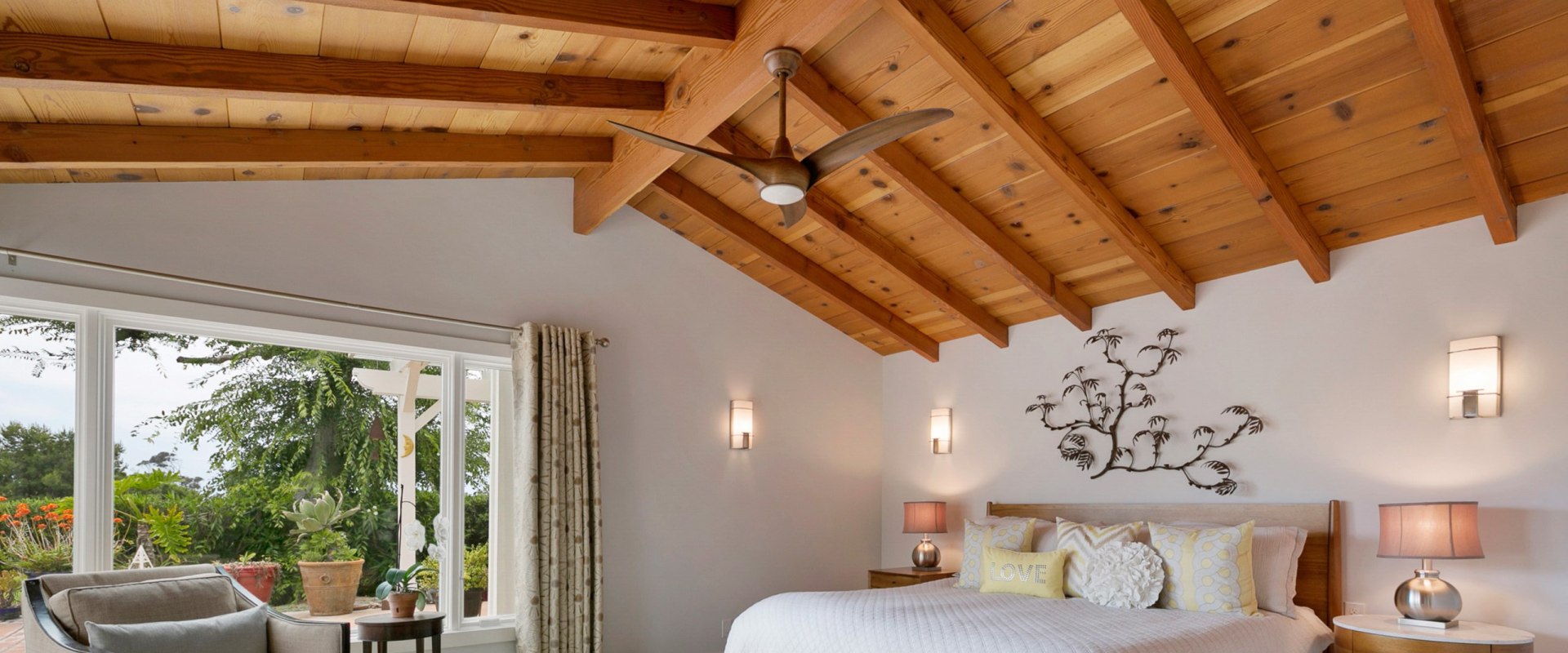
When considering a home renovation, the prospect of adding a single story extension can be both exciting and daunting. A 20x20 room addition not only enhances your living space but also has the potential to significantly increase the value of your property. However, before diving into such a project, it is crucial to understand the single story extension cost and the various factors that influence it, including potential stain costs for finishing touches. Homeowners often underestimate the financial implications of adding a room. The costs associated with a single story extension can vary widely based on several elements, including location, design choices, and the materials used. and the various factors that influence it, including potential stain costs for finishing touches. Homeowners often underestimate the financial implications of adding a room. The costs associated with a single story extension can vary widely based on several elements, including location, design choices, and the materials used.
For instance, urban areas may have higher labour costs and stricter building regulations compared to rural settings. Additionally, the complexity of the design can lead to increased expenses, especially if you opt for custom features or high-end finishes. Moreover, it’s essential to consider not just the initial outlay but also the long-term benefits of such an investment. A well-planned extension can provide much-needed space for a growing family or create a dedicated area for work or leisure. Understanding the home renovation costs involved in adding a room will help you make informed decisions and ensure that your project aligns with your budget and expectations. In this article, we will delve deeper into the various aspects of adding a 20x20 room to your home, exploring everything from planning permissions to potential return on investment.
By gaining insight into these factors, you can approach your home extension project with confidence and clarity.
Factors Influencing the Cost of a 20x20 Room Addition
When considering the cost of adding a 20x20 room to your home, several key factors come into play that can significantly influence the overall expense. Understanding these elements is crucial for homeowners looking to budget effectively and make informed decisions.Location
Your geographical location is one of the most significant determinants of extension costs. Areas with higher living costs, such as London or affluent suburbs, typically see increased prices for both materials and labour. Additionally, local building regulations and zoning laws can vary widely, affecting what is permissible in your area.For instance, if you live in a conservation area, you may face stricter guidelines that could necessitate more expensive materials or design alterations.
Building Materials
The choice of building materials can greatly impact the room addition pricing. Standard materials like timber and brick are generally more affordable than high-end options such as stone or custom finishes. Furthermore, the quality of insulation, roofing, and windows will also play a role in the total cost. Investing in energy-efficient materials may have a higher upfront cost but can lead to savings on energy bills in the long run.Design Complexity
The complexity of your room's design is another critical factor.A simple rectangular room will be less expensive to construct than one with intricate architectural features such as vaulted ceilings or large bay windows. Custom designs often require more skilled labour and time, which can drive up costs significantly.
Labour Costs
Labour costs can vary based on the availability of skilled tradespeople in your area. In regions where there is a high demand for construction work, you may find that labour rates are elevated. It's advisable to obtain multiple quotes from contractors to ensure you are getting a fair price.Permits and Regulations
Before commencing any construction project, securing the necessary permits is essential.The cost of these permits can vary based on local regulations and the scope of your project. Failing to obtain the proper permits can lead to fines or even having to dismantle your addition. In summary, when planning a 20x20 room addition, it’s vital to consider these factors carefully. By understanding how location, materials, design complexity, labour costs, and regulatory requirements influence overall expenses, homeowners can better prepare for their investment and ensure they achieve their desired outcome without unexpected financial burdens.
Location and Its Impact on Costs
When considering the cost of adding a 20x20 room to your home, one of the most significant factors to take into account is your geographical location. The impact of location on construction costs can be profound, as various regions in the UK exhibit distinct pricing structures influenced by local economies, demand for construction services, and availability of materials. In urban areas such as London, construction costs tend to be higher due to increased demand for housing and limited space.The competition among contractors can drive prices up, making it essential for homeowners to obtain multiple quotes before proceeding. Conversely, rural areas may offer more competitive pricing due to lower demand and a greater availability of land. However, this does not mean that costs will be significantly lower; regional pricing differences can still result in substantial variations.
Regional Pricing Differences
In the UK, the average cost of construction can vary widely from one region to another. For instance:- London and the South East: Typically, these areas have the highest construction costs, often exceeding £2,000 per square metre due to high labour costs and stringent building regulations.
-
The Midlands: Here, costs are generally more moderate, ranging from £1,500 to £1,800 per square metre.
This region benefits from a balance between urban and rural influences.
- The North: Northern regions often see lower costs, with averages around £1,200 to £1,500 per square metre. This can make it an attractive option for homeowners looking to expand their living space.
Building Regulations in the UK
Building regulations are designed to ensure safety and sustainability in construction projects.Depending on your location, you may face specific requirements that could add to your overall expenses. For example:
- Energy Efficiency Standards: New builds must comply with energy efficiency regulations which may require additional insulation or energy-efficient windows.
- Structural Integrity: In areas prone to flooding or subsidence, additional structural measures may be necessary to ensure safety.
- Heritage Considerations: If your property is listed or located in a conservation area, you may face restrictions that could increase both time and cost.
Types of Room Additions: Standard vs. Conversion
When considering a room addition, homeowners often face the choice between a standard room addition and a conversion of existing spaces.Each option has its own set of advantages and disadvantages, as well as varying costs that can significantly impact your overall budget.
Standard Room Additions
A standard room addition involves constructing a new structure that is attached to your home. This could be a new bedroom, living area, or even a sunroom. The process typically requires extensive planning, permits, and construction work, which can lead to higher costs.-
Pros:
- Customisable design tailored to your needs.
- Potentially increases the overall value of your property.
- Allows for modern building techniques and materials.
-
Cons:
- Higher costs due to construction and materials.
- Longer time frame for completion.
- May require significant landscaping or site preparation.
Conversions of Existing Spaces
On the other hand, converting an existing space such as a garage, attic, or basement into a livable area is often more cost-effective. This option utilises the current structure of your home, which can save on both time and materials.-
Pros:
- Generally lower costs compared to building an entirely new room.
- Faster completion time since less construction is involved.
- Minimises disruption to your existing landscape and home layout.
-
Cons:
- Limited by the existing space's layout and structure.
- May require additional work to meet building codes (e.g., insulation, plumbing).
- Potential zoning restrictions that could limit your options.
By carefully weighing the pros and cons of each option, you can make an informed choice that enhances both your living space and property value.
Estimating the Costs: What to Expect
When considering the addition of a 20x20 room to your home, it is crucial to have a clear understanding of the cost estimates involved. Recent data indicates that the average cost for such an extension in the UK typically ranges from £20,000 to £40,000. However, this figure can vary significantly based on several factors.Factors Influencing Costs
- Location: The geographical area where you live can greatly impact costs. Urban areas often have higher labour and material costs compared to rural locations.
-
Building Regulations: Compliance with local building regulations and planning permissions can add to your expenses.
In some cases, additional fees may be required for inspections or permits.
- Design Complexity: A simple rectangular room will generally be less expensive than a more complex design that includes features like vaulted ceilings or large windows.
- Materials Used: The choice of materials can also affect the overall cost. High-quality finishes and sustainable materials may increase your budget but can enhance the room's longevity and aesthetic appeal.
- Labour Costs: Hiring skilled tradespeople can be a significant part of your budget. Rates can vary based on experience and demand in your area.
Average Extension Costs in the UK
The average extension costs in the UK can be broken down as follows:
- Basic Extension: £20,000 - £30,000
- Mid-Range Extension: £30,000 - £50,000
- High-End Extension: £50,000+
Budgeting for Home Renovations
When budgeting for your home renovation, it is wise to include a contingency fund of around 10-15% of your total budget. This will help cover unexpected costs that may arise during construction.
Additionally, obtaining multiple quotes from contractors can provide you with a better understanding of the market rates and help you make informed decisions. In conclusion, while estimating the costs for adding a 20x20 room involves various factors, having a well-structured budget and understanding potential expenses will ensure that your project runs smoothly and stays within financial limits.
Additional Features and Their Costs
When planning a 20x20 room addition, it’s crucial to consider the additional features that can significantly influence the overall cost. These features not only enhance the functionality of the new space but also contribute to its aesthetic appeal. Below, we explore some of the key elements that can impact your budget.Plumbing and Electrical Work
If your new room will require plumbing or electrical installations, this can add a substantial amount to your overall expenses. For instance, if you plan to include a bathroom or kitchenette in your extension, you will need to factor in the costs of:- Plumbing: Installing new pipes, fixtures, and drainage systems can range from £1,500 to £5,000 depending on the complexity of the work.
-
Electrical Work: Adding outlets, lighting fixtures, and possibly a new circuit can cost between £1,000 and £3,000.
This includes hiring a qualified electrician to ensure all work meets safety standards.
Custom Finishes Pricing
The choice of finishes can dramatically affect the final cost of your room addition. Custom finishes not only elevate the look of your space but also reflect your personal style. Here are some common customisation options and their associated costs:- Flooring: High-quality flooring materials such as hardwood or tiles can range from £30 to £100 per square metre.
- Wall Treatments: Custom paint jobs or wallpapering can add anywhere from £500 to £2,000 depending on the size of the room and the materials used.
- Cabinetry and Built-ins: If you opt for custom cabinetry or built-in shelves, expect to pay between £1,000 and £5,000 based on design complexity and materials.
Collaborating with experienced professionals will help you navigate these decisions effectively and ensure that your new space meets both your functional needs and aesthetic desires.
The Importance of Hiring Professionals
When considering a home extension, such as adding a 20x20 room, the importance of hiring licensed professionals cannot be overstated. Engaging experienced contractors not only ensures that the project is executed to a high standard but also helps in managing costs effectively and adhering to local regulations.Expertise and Experience
Licensed builders bring a wealth of knowledge and experience to the table. They understand the intricacies of construction, including structural integrity, materials selection, and design principles. This expertise is crucial in avoiding common pitfalls that can lead to costly mistakes.
For instance, a professional contractor can accurately assess your property’s layout and recommend the best approach for your extension, potentially saving you money in the long run.
Compliance with Local Regulations
Every locality has its own set of building codes and regulations that must be followed when undertaking a home extension. A licensed contractor is well-versed in these requirements and can ensure that your project complies with all necessary laws. This not only helps avoid fines or legal issues but also guarantees that your extension is safe and structurally sound.
Cost Management
While it may seem tempting to cut costs by attempting a DIY approach or hiring unlicensed workers, this can lead to unforeseen expenses down the line. Professionals can provide accurate estimates and help you stick to your budget by sourcing materials at competitive prices and managing labour costs effectively.
They also have established relationships with suppliers, which can lead to discounts that you might not be able to access on your own.
Quality Assurance
Hiring licensed professionals means you are more likely to receive a quality guarantee on their work. Many reputable contractors offer warranties on their services, providing peace of mind that any issues arising post-completion will be addressed without additional costs. This assurance is invaluable when investing in significant home improvements.
Conclusion
In summary, while the initial cost of hiring licensed professionals for your home extension may seem higher than opting for unlicensed alternatives, the long-term benefits far outweigh these concerns. From ensuring compliance with local regulations to providing expert guidance and quality assurance, professional contractors play a vital role in the success of your home extension project.
Potential Return on Investment (ROI)
When considering a home extension, particularly a 20x20 room addition, one of the most critical factors to evaluate is the potential return on investment (ROI).Homeowners often seek to understand how such an investment can enhance their property value and improve their living conditions. Adding a room can significantly increase the overall square footage of your home, which is a primary determinant of property value. According to various real estate studies, homeowners can expect an ROI of approximately 60% to 70% on room additions, depending on the local market conditions and the quality of the work performed. This means that if you invest £50,000 in a new room, you could potentially see an increase in your home’s value by £30,000 to £35,000. Moreover, the type of room you choose to add can also influence your ROI. For instance:
- Living Rooms or Family Rooms: These spaces are highly desirable for families and can yield a higher return due to their functionality and appeal.
- Bedrooms: Adding an extra bedroom can be particularly beneficial in family-oriented neighbourhoods, as it caters to growing families looking for more space.
- Home Offices: With the rise of remote working, a dedicated office space can attract buyers who need a functional workspace at home.
This added space can accommodate various needs—be it for entertaining guests, creating a playroom for children, or establishing a quiet retreat for relaxation. The versatility of this additional room makes it an attractive feature for potential buyers. Furthermore, investing in renovations that improve energy efficiency—such as better insulation or energy-efficient windows—can also contribute positively to your ROI. Not only do these upgrades make your home more appealing, but they also reduce long-term utility costs, making your property more attractive in the eyes of potential buyers. Ultimately, while the upfront costs of adding a 20x20 room may seem daunting, the long-term benefits in terms of increased property value and enhanced living space make it a worthwhile investment. By carefully planning your extension and considering factors that influence ROI, you can ensure that your investment pays off in both comfort and financial returns.
Common FAQs About Room Additions
When considering a room addition, homeowners often have numerous questions regarding the process, costs, and potential challenges.Here are some of the most common FAQs about room additions that can help clarify your concerns.
What is the average cost of a room addition?
The single story extension cost can vary significantly based on several factors, including location, size, and the complexity of the design. On average, homeowners can expect to pay between £20,000 and £50,000 for a standard room addition. However, this figure can increase if you opt for high-end finishes or require extensive structural changes.How long does it take to complete a room addition?
The timeline for completing a room addition typically ranges from three to six months. This duration can be influenced by factors such as obtaining necessary permits, weather conditions, and the availability of contractors.It's essential to plan ahead and factor in potential delays when setting your expectations.
Do I need planning permission for a room addition?
In most cases, yes. Depending on your local regulations and the scope of your project, you may need to apply for planning permission before starting construction. It's advisable to consult with your local council or a professional architect to ensure compliance with all zoning laws and building codes.What are the benefits of adding a room to my home?
- Increased living space: A new room can provide much-needed space for growing families or changing lifestyles.
- Enhanced property value: A well-planned extension can significantly increase your home's market value.
- Improved functionality: Adding a dedicated space for activities such as work or leisure can enhance your overall living experience.
What should I consider before starting a room addition?
Before embarking on a room addition project, consider the following:- Your budget: Ensure you have a clear understanding of all costs involved, including materials, labour, and permits.
- Your home's layout: Think about how the new space will integrate with your existing home and whether it will disrupt the flow of your living areas.
- Your future needs: Consider how your needs may change over time and whether the new space will accommodate those changes.
Conclusion: Making Informed Decisions About Your Home Extension
In conclusion, the journey of adding a 20x20 room to your home is one that requires careful consideration and thorough planning. As we have explored throughout this article, the single story extension cost can vary significantly based on a multitude of factors, including location, type of room, and additional features.Understanding these elements is crucial for homeowners who wish to make informed decisions. Firstly, it is essential to recognise that the location of your property plays a pivotal role in determining costs. Different regions may have varying building regulations and material costs, which can impact your overall budget. For instance, urban areas may present higher labour costs compared to rural settings. Therefore, conducting local market research can provide valuable insights into what to expect. Secondly, the type of room you choose to add will also influence the single story extension cost.
Whether you opt for a standard addition or decide to convert an existing space, each choice comes with its own set of financial implications. It is advisable to weigh the pros and cons of each option carefully. Moreover, additional features such as plumbing, electrical work, and custom finishes can significantly increase your expenses. It is wise to prioritise these features based on necessity and budget constraints. Engaging with licensed professionals can help you navigate these decisions effectively. Lastly, while the initial investment may seem daunting, it is important to consider the long-term benefits of a room addition.
Not only does it enhance your living space, but it can also increase the value of your property significantly. Therefore, taking the time to plan meticulously and budget wisely will ensure that you achieve the best possible outcome for your home extension project. In summary, by understanding the various factors that influence the cost of adding a 20x20 room and making informed decisions throughout the process, homeowners can embark on their extension journey with confidence and clarity.